


Global Health Alert: Hantavirus Outbreak on Cruise Ship Sparks International Response
Understanding the Current Crisis
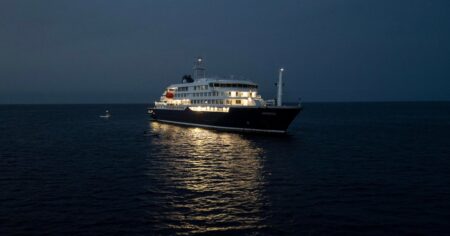
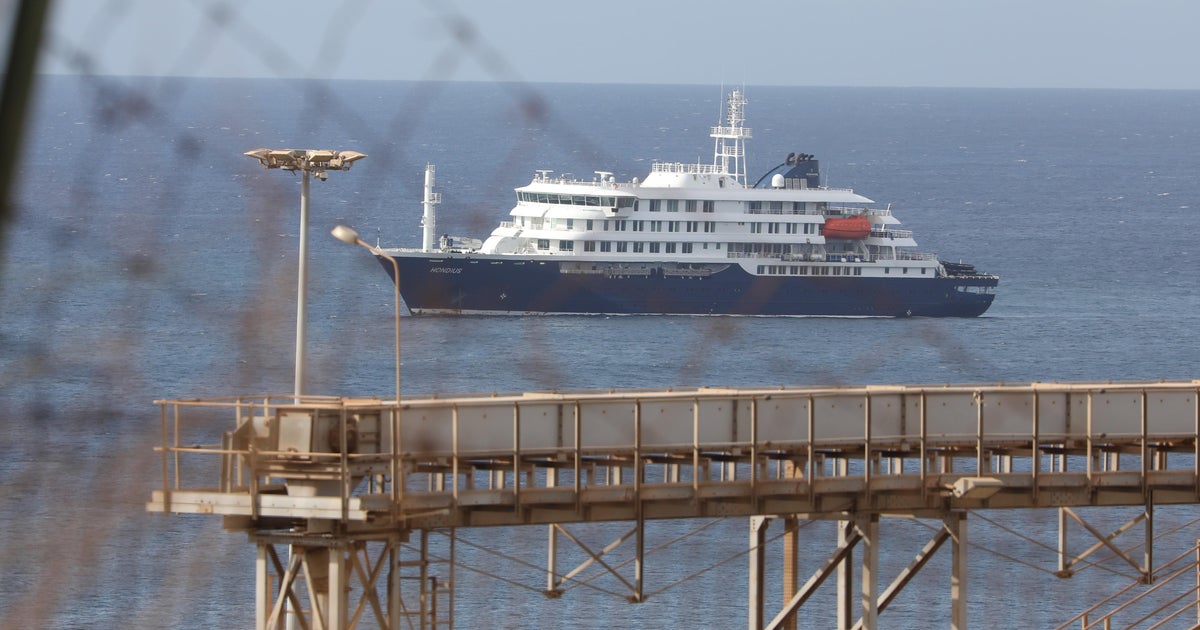
The world is facing a concerning public health situation as authorities track a deadly hantavirus outbreak linked to a cruise ship sailing under a Dutch flag. The M/V Hondius, operated by Oceanwide Expeditions, has become the center of an international health emergency that has already claimed three lives and infected at least eight people. What makes this outbreak particularly alarming is the type of virus involved—the Andes strain of hantavirus, which stands alone among hantaviruses as the only one known to spread from person to person. The vessel is currently making its way toward Spain’s Canary Islands, while health officials across multiple continents work around the clock to contain the spread and monitor anyone who may have been exposed to the virus.
Hantaviruses represent a family of uncommon but dangerous pathogens that typically make their way to humans through contact with the droppings, urine, or saliva of infected rodents. According to the U.S. Centers for Disease Control and Prevention, these viruses can cause severe respiratory and pulmonary problems that can quickly become life-threatening. The Andes virus, specifically identified in this cruise ship outbreak, is particularly concerning because it doesn’t require rodent contact to spread—it can move directly from one infected person to another through prolonged close contact. This characteristic makes the outbreak significantly more challenging to control, especially in the confined environment of a cruise ship where passengers and crew members interact closely for extended periods.
The Tragic Timeline: First Cases and Deaths
The outbreak’s origins can be traced back to a Dutch couple in their late sixties who boarded the cruise ship on April 1st after completing a bird-watching expedition through South America. Their travels had taken them through Argentina, Chile, and Uruguay—regions where they visited sites known to harbor the specific species of rat that carries the Andes virus. This pre-cruise activity is now believed to be the source of their infection, making them the first cases in what would become a ship-wide health crisis.
The 70-year-old Dutch man became the outbreak’s first fatality when he died aboard the ship on April 11th. His symptoms had begun just five days earlier, on April 6th, but because they resembled those of other more common respiratory illnesses, medical personnel didn’t initially suspect hantavirus. Dr. Tedros Adhanom Ghebreyesus, Director-General of the World Health Organization, explained that no samples were taken at the time of death because the correct diagnosis wasn’t suspected. This unfortunate oversight meant that other passengers and crew continued their voyage without knowing they might have been exposed to a deadly pathogen. The man’s 69-year-old wife continued on the cruise until April 24th, when the ship docked at Saint Helena, a remote British territory in the Atlantic Ocean. Two days after leaving the ship, while on a flight to Johannesburg, South Africa, her condition rapidly deteriorated, and she died. Blood tests performed after her death confirmed she had been infected with the Andes strain of hantavirus, finally providing the crucial piece of information that would alert health authorities to the true nature of what was happening aboard the Hondius.
Additional Cases and Emergency Evacuations
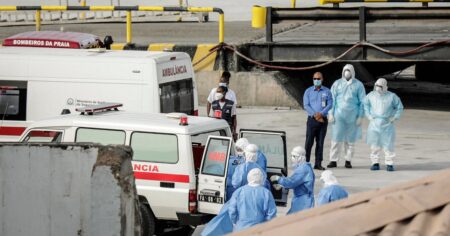
As the reality of the outbreak became clear, more cases began to emerge among the ship’s passengers and crew. On April 24th, the same day the Dutch woman disembarked, a British passenger approached the ship’s doctor complaining of respiratory symptoms and showing signs of pneumonia. Over the next two days, his condition worsened dramatically, prompting an emergency medical evacuation on April 27th from Ascension Island to South Africa. He was placed in an intensive care unit where tests confirmed he too had contracted the Andes virus. While initially described as critically ill, Maria Van Kerkhove, the WHO’s director of epidemic and pandemic preparedness and prevention, reported on Thursday that his health status was showing improvement—offering at least one piece of encouraging news in an otherwise grim situation.
The outbreak claimed its third victim on May 2nd when a German woman died aboard the Hondius. According to WHO reports, she had initially developed a fever on April 28th and subsequently showed symptoms consistent with pneumonia. As of the latest reports, her body remained on the ship. Following this death, the cruise operator made the difficult decision to evacuate three more individuals on Wednesday. Two of them—a Dutch passenger and a British crew member—were showing symptoms of the virus and were described as being in serious condition, though Van Kerkhove later reported that both had stabilized. These two were flown to the Netherlands for specialized medical care. The third evacuee was a German passenger who wasn’t showing symptoms but had been in close contact with the German woman who had died. This person has since been returned to Germany for monitoring.
Expanding Circle of Concern
The outbreak’s reach extends far beyond the ship itself. A Swiss man who had disembarked at Saint Helena along with the Dutch woman and others tested positive for the Andes strain after developing symptoms back home in Zurich, where he is now receiving treatment. His wife, who accompanied him on the cruise, has shown no symptoms but is self-isolating as a precautionary measure—a reminder that the virus’s incubation period means cases could still emerge in the coming days or weeks. French health authorities have also entered the picture, identifying eight French nationals who had been on the same flight from Saint Helena to Johannesburg as the Dutch woman who died. One of these individuals has developed mild symptoms and was awaiting diagnostic test results as of Thursday, while the others have been offered isolation measures and access to testing.
The international response has been massive and coordinated. Director-General Tedros revealed that the WHO is in communication with health officials from at least twelve countries: Canada, Denmark, Germany, the Netherlands, New Zealand, Saint Kitts and Nevis, Singapore, Sweden, Switzerland, Turkey, the United Kingdom, and the United States. These nations are all monitoring citizens who returned home after leaving the ship in Saint Helena. In the United States alone, five states have confirmed they are tracking individuals who were aboard the Hondius—two each in Georgia and Texas, one each in Arizona and Virginia, and an unspecified number in California. Fortunately, none of these individuals were showing symptoms at the time of reporting, but they remain under active surveillance.
The Challenge of Prevention and the Path Forward
What makes this outbreak particularly challenging from a public health perspective is the Andes virus’s incubation period, which can be quite lengthy. Van Kerkhove emphasized that because of this extended timeframe between exposure and symptom development, additional cases could still emerge in the coming weeks despite current containment efforts. The WHO has launched comprehensive investigations, contact tracing efforts, and isolation protocols across multiple countries—a massive undertaking that demonstrates both the seriousness of the situation and the interconnected nature of global health in our modern world.
As of Thursday, Oceanwide Expeditions reported that no one currently aboard the Hondius was showing symptoms of the virus—a hopeful sign that the outbreak may be contained. However, the cruise operator and international health authorities are maintaining strict monitoring protocols for all remaining passengers and crew members. The ship continues its voyage toward the Canary Islands, where undoubtedly additional health screenings and precautionary measures await.
This outbreak serves as a stark reminder of how quickly infectious diseases can spread in our globally connected world and the particular vulnerabilities presented by the cruise ship environment. The confined spaces, shared facilities, and close social interactions that make cruises appealing to travelers also create ideal conditions for pathogen transmission. The fact that the initial cases went unrecognized for days allowed the virus to potentially spread to others who have since dispersed across the globe, creating the complex international tracking challenge health officials now face. As we continue to navigate various global health threats, this outbreak underscores the critical importance of rapid diagnostic capabilities, international cooperation in disease surveillance, and the need for robust public health infrastructure that can respond quickly when emerging threats are identified.