


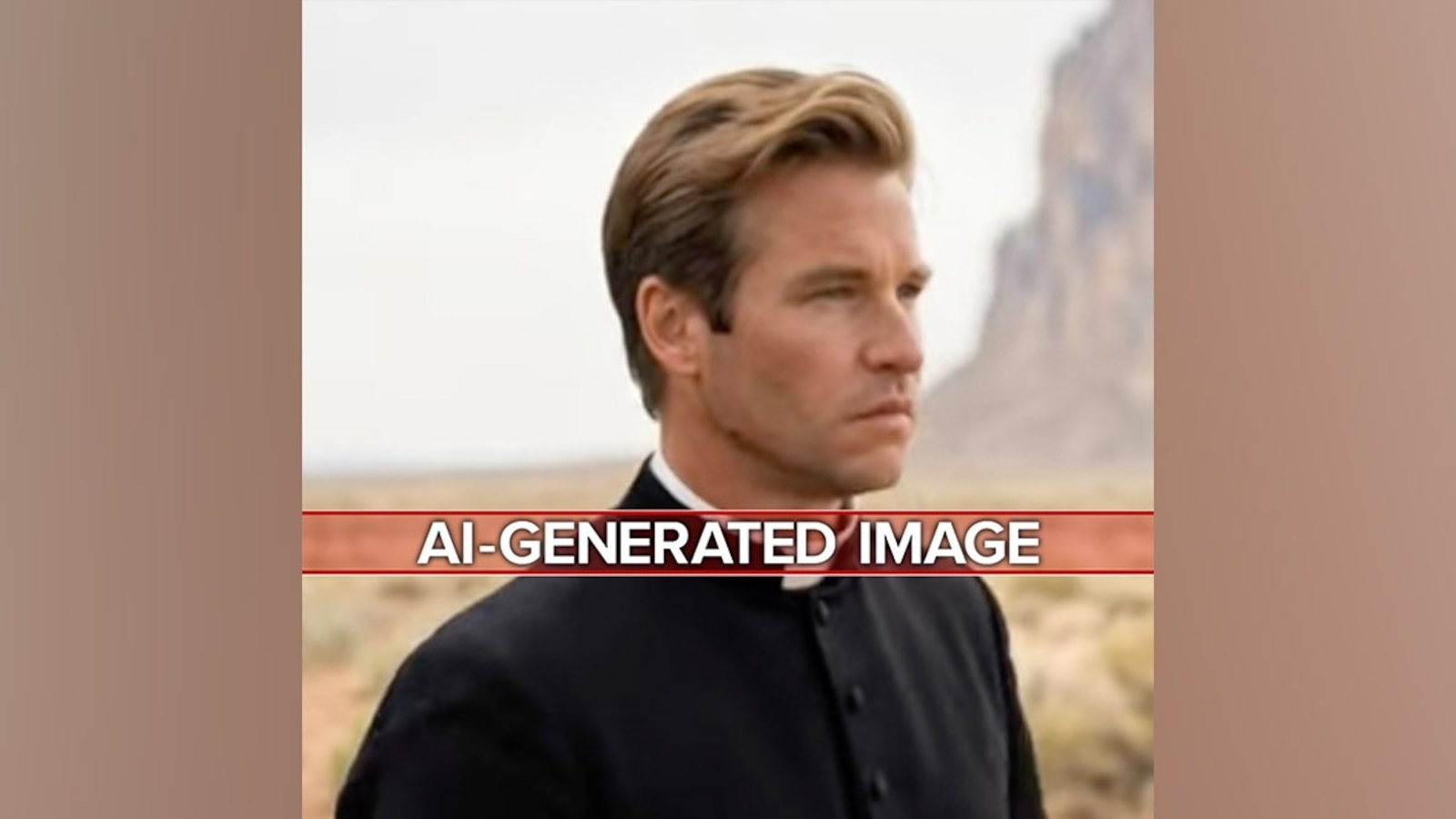

Val Kilmer Returns to Cinema Through AI in “As Deep as the Grave”
A Digital Resurrection Brings the Late Actor Back to Life
Hollywood is witnessing another groundbreaking—and controversial—milestone in the use of artificial intelligence in filmmaking. Val Kilmer, the beloved actor who passed away in 2025 at the age of 65, is set to appear on screen once more through digitally recreated technology. The first trailer for “As Deep as the Grave,” a historical drama directed by Coerte Voorhees, was unveiled at CinemaCon in Las Vegas on Wednesday, showcasing Kilmer’s AI-generated performance as Father Fintan, a Catholic priest with ties to Native American spirituality. The indie film, which also stars Abigail Lawrie, Tom Felton, and Abigail Breslin, tells the true story of archaeologists Ann and Earl Morris as they excavate remains of the Ancestral Puebloans during the 1920s. Kilmer’s character delivers haunting lines in the trailer, including the chilling statement, “Don’t fear the dead, and don’t fear me”—words that now carry an eerie meta-textual significance given the circumstances of the actor’s appearance in the film.
The journey to bringing Kilmer to the screen posthumously began years before his death. He had originally been cast in the role of Father Fintan, but deteriorating health prevented him from fulfilling the commitment. Rather than recasting the part, the filmmakers made the bold decision to use generative AI technology to complete the performance, drawing from archival footage and materials. This wasn’t done lightly or without proper authorization—the production worked closely with Kilmer’s estate, including his daughter Mercedes, to secure approval for the unprecedented approach. The resulting footage showcases Kilmer at various stages of life, portraying his character from a younger priest to a more ethereal, ghost-like figure. This range adds a poignant layer to the performance, as viewers will essentially witness different eras of Kilmer’s life condensed into a single role, creating a unique cinematic experience that blends memory, technology, and storytelling in ways previously unimaginable.
Navigating Ethical Waters: Consent, Compensation, and Collaboration
The use of artificial intelligence to recreate deceased actors has become one of the most hotly debated topics in contemporary Hollywood, raising profound questions about artistic integrity, consent, and the future of performance. Speaking at CinemaCon, director Coerte Voorhees acknowledged these concerns and emphasized that his team took extensive measures to ensure the project was handled ethically and respectfully. According to reports from the Associated Press, Voorhees stated that the production adhered strictly to industry guidelines and worked in close partnership with Kilmer’s family throughout the process. Producer John Voorhees further elaborated on their approach, describing it as “risky territory” but insisting that the production team followed SAG-AFTRA standards centered on three critical pillars: consent, compensation, and collaboration. These principles have become the foundation for how the entertainment industry is attempting to navigate the complex intersection of technology and posthumous performances.
The Kilmer estate not only approved the project but was also financially compensated and actively contributed materials that helped make the AI recreation possible. This level of involvement from the family distinguishes this project from unauthorized or exploitative uses of a deceased person’s likeness—a concern that has troubled both industry professionals and the public. The filmmakers were clear that they wouldn’t have proceeded without the enthusiastic support of Kilmer’s children. “We were so glad they were so excited and so supportive of the idea,” Voorhees told the Associated Press. “We didn’t want to do it unless everybody thought this was going to work properly.” This collaborative approach suggests a model for how such technology might be employed responsibly in the future, though it doesn’t entirely eliminate the ethical questions surrounding the practice. The debate continues: does consent from an estate truly substitute for consent from the artist themselves? Can any amount of family approval truly represent what the actor would have wanted? These questions linger even as the technology becomes more sophisticated and accessible.
Building on Kilmer’s Own Technological Legacy
What lends this project additional legitimacy in the eyes of supporters is Val Kilmer’s own relationship with artificial intelligence during his lifetime. After battling throat cancer, Kilmer lost his natural speaking voice—a devastating blow for any actor, but particularly one known for iconic vocal performances in films like “Tombstone,” “The Doors,” and “Top Gun.” Rather than allowing this to end his career, Kilmer embraced technology, working with software developers to create an AI-generated version of his voice. This recreated voice was eventually used in “Top Gun: Maverick,” allowing him to reprise his role as Iceman and share the screen once more with Tom Cruise. This earlier adoption of AI technology demonstrates that Kilmer himself saw value in using such tools to extend his career and creative expression beyond the limitations of his physical condition. In a sense, “As Deep as the Grave” can be viewed as a continuation of this philosophy—using technology not to replace human artistry but to enable it under circumstances where traditional performance would be impossible.
The fact that Kilmer had already crossed this technological threshold himself provides a compelling argument for the current project. His willingness to use AI for voice recreation suggests an openness to technological intervention in performance that extends beyond conventional methods. It’s not difficult to imagine that an actor who embraced such technology for his voice might also have approved of its use for his visual likeness under the right circumstances. This precedent doesn’t resolve all ethical concerns, but it does provide important context that separates this situation from one where AI is used against an artist’s known wishes or without any indication of their perspective on such technology. Kilmer’s legacy now includes not just his memorable performances but also his role as a pioneer in exploring how artificial intelligence might serve actors facing physical limitations, potentially opening doors for future performers dealing with similar challenges.
The Production Journey: From Pandemic Delays to Posthumous Innovation
The path to completing “As Deep as the Grave” has been anything but straightforward. Production began in 2020 in New Mexico, with Kilmer still attached to the project despite his health challenges. However, the COVID-19 pandemic brought filming to a halt, as it did for countless productions worldwide. During these delays, Kilmer’s condition worsened, and he eventually had to step away from the role entirely. The filmmakers faced a critical decision: recast the part with another actor or find an alternative solution. In many cases, the practical choice would have been recasting, but the team had a vision for Kilmer in the role that they weren’t ready to abandon. As time passed and technology evolved, they began exploring whether AI could offer a solution that would honor both their original vision and Kilmer’s connection to the project. The decision to pursue this route came only after careful consideration and, crucially, after establishing that Kilmer’s family supported the approach.
The result is a performance that spans more than an hour of screen time, according to the filmmakers—a substantial presence that goes far beyond a brief cameo or digital insertion. This extensive role demonstrates the significant advances in AI technology and its application to filmmaking. Creating a convincing digital performance for such a substantial portion of a film represents a considerable technical achievement, requiring not just visual accuracy but also believable expressions, movements, and interactions with other actors. The fact that Father Fintan appears at different life stages in the film also showcases the flexibility of the technology, allowing the character to age and transform in ways that serve the narrative. While a release date hasn’t been announced, the unveiling of the trailer at CinemaCon—one of the film industry’s most important trade events—signals that the filmmakers are confident in what they’ve created and ready to let audiences judge the results.
The Broader Implications for Hollywood’s Future
“As Deep as the Grave” arrives at a pivotal moment for the entertainment industry’s relationship with artificial intelligence. The 2023 Hollywood strikes brought issues of AI use to the forefront, with actors and writers demanding protections against the unauthorized use of their likenesses and creative work. The resulting agreements included provisions specifically addressing digital recreation and AI-generated performances, establishing frameworks meant to protect performers’ rights while not completely closing the door on technological innovation. This film represents one of the first major tests of those frameworks in practice, offering a real-world example of how such guidelines might work when applied thoughtfully and with full consent from relevant parties. The reception to Kilmer’s AI performance—both from critics and audiences—will likely influence how studios, filmmakers, and actors approach similar situations in the future.
The technology’s potential extends beyond posthumous performances. Actors dealing with illness, injury, or other limitations might use AI to continue working when traditional methods would be impossible. De-aging technology, already used in films like “The Irishman,” could become more sophisticated and seamless. Stunt work might be partially replaced or enhanced, potentially reducing risk to performers. However, each application raises its own ethical questions. How much manipulation is acceptable before a performance is no longer truly the actor’s? What protections need to exist to prevent exploitation? How should such performances be credited and compensated? The case of Val Kilmer in “As Deep as the Grave” won’t answer all these questions, but it provides an important data point in an ongoing conversation that will shape the future of performance and filmmaking. As AI technology becomes more accessible and convincing, the industry will need clear ethical standards, robust legal protections, and thoughtful consideration of what audiences want and what respects the artistry of performance. Val Kilmer’s digital return to the screen may be remembered not just as a technological milestone but as a moment when Hollywood began seriously grappling with what it means to perform in an age of artificial intelligence.