


A Mother’s Nightmare: Six Weeks in ICE Detention and the Fear That Remains
The Arrest That Changed Everything
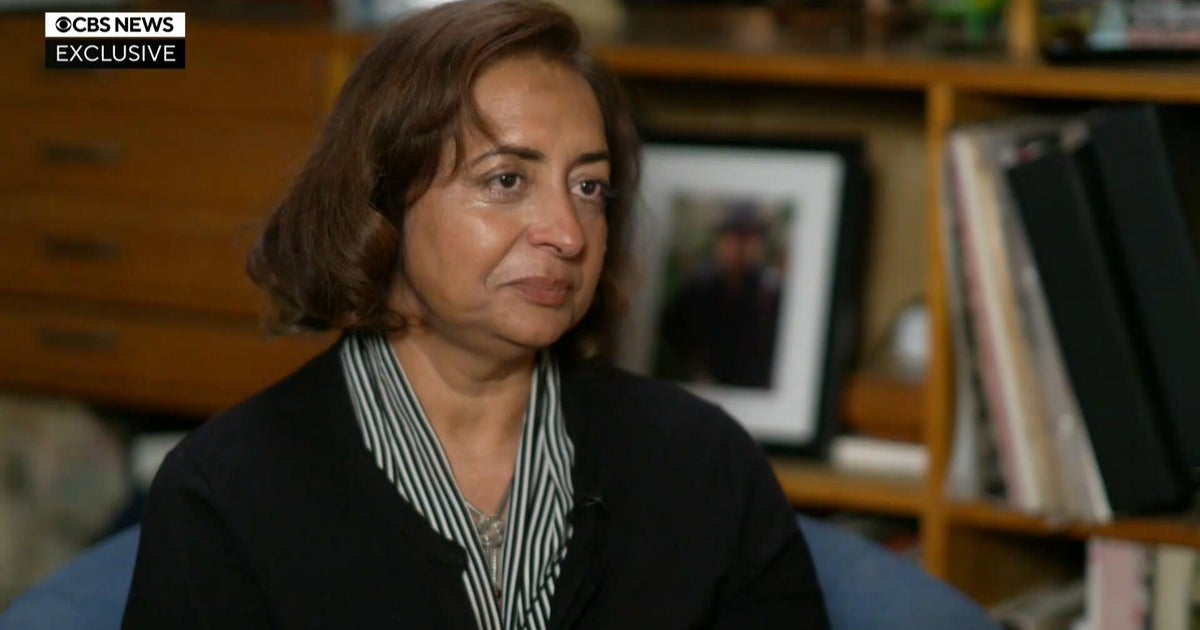
Meenu Batra, a 53-year-old single mother of four from Texas, never imagined that a routine work trip would turn into a six-week ordeal that would shake her family to its core. On March 17th, while traveling through a Texas airport on her way to Milwaukee for her job as a court translator, Batra was suddenly arrested by Immigration and Customs Enforcement (ICE) agents. Despite having lived and worked legally in the United States for decades after fleeing violence in her native India, she found herself detained at the El Valle Detention Facility in Raymondville, Texas, near the U.S.-Mexico border. The bewildering experience left her feeling helpless and dehumanized, as agents told her she was in the country illegally despite her insistence that she had proper documentation in her possession. Now released after a federal judge ruled there was “no discernible reason” for her detention, Batra speaks candidly about her fears, her experience, and what it means for others in similar situations.
A Legal Resident Caught in the System
Batra’s story is particularly troubling because she wasn’t someone living in the shadows or without documentation. Born in India, she came to the United States as a teenager under harrowing circumstances—fleeing after both of her parents, members of India’s Sikh community, were killed during an outbreak of anti-Sikh violence. She did what she was supposed to do: she applied for asylum through proper legal channels. While she was granted “withholding of removal” status rather than full asylum, this legal designation meant she was authorized to remain in the country and work. For decades, she built a life in America, raising four children and working as a court translator, a position that requires background checks and reliability. Yet despite this legal status and her decades of contributions to American society, she was suddenly swept up in an enforcement action that would separate her from her children for 45 days. The confusion and fear she experienced highlight how even those with legal documentation can find themselves trapped in an immigration enforcement system that doesn’t always distinguish between those with and without legal status.
The Dehumanizing Reality of Detention
During her time in detention, Batra experienced something that goes beyond the physical confinement—a psychological erosion of dignity and self-worth. “You become small,” she explained in her interview with CBS News after her release. “You start to believe that perhaps you are not equal, that you are not human.” These words paint a vivid picture of what detention does to people, stripping away not just freedom but fundamental aspects of identity and self-respect. Batra also noted that the majority of women she met while detained were not the violent criminals that the Trump administration claims to be targeting with its enforcement priorities. Instead, she encountered ordinary people caught up in a system that treated them as less than human. The guilt she feels about leaving these women behind speaks to her empathy and awareness that while she was fortunate enough to have her case heard by a federal judge who ordered her release, many others remain trapped in similar circumstances with less access to legal resources or public attention to their cases.
A Family Forever Changed
While Batra’s release brought immense relief to her four children, the trauma of the experience hasn’t ended with her return home. The psychological scars run deep, particularly for her daughter, who now struggles with anxiety and fear. “My daughter doesn’t sleep at night time,” Batra shared. “She keeps watch on me. Anytime a car passes by, she becomes fearful that somebody is here to get you.” This vivid description reveals how immigration enforcement actions ripple far beyond the individual detained, creating lasting trauma for American citizen children who suddenly see their parent taken away by government agents. The family is still trying to process what happened—how a mother legally present in the country for decades could be arrested at an airport and held for six weeks. The experience has fundamentally altered their sense of security and their trust in the systems meant to protect them. Even with Batra home, they live with the fear that it could happen again, that any day could bring another knock on the door or another detention.
A Path Forward and Ongoing Legal Battle
Ironically, Batra was on the verge of a clear path to U.S. citizenship when she was detained. Her son Jasper had joined the Army just a few months before her arrest, and parents of U.S. service members are eligible to apply for citizenship—a benefit extended to families of those who serve the country. This detail makes her detention even more perplexing and painful; here was a woman whose son was literally signing up to defend the United States, yet she was being held in a detention facility and treated as a threat. Despite her release, Batra’s legal battles are far from over. Her habeas corpus petition against the U.S. government, which seeks to prove that her detention was illegal, is still pending in the courts. This ongoing legal action is important not just for Batra personally, but potentially for establishing precedent about what constitutes lawful detention and what protections people with legal status should have against arbitrary enforcement actions.
Dignity, Rights, and What Comes Next
The Department of Homeland Security’s response to Batra’s case has been notably harsh, referring to her as an “illegal alien from India” and claiming she received a final order of removal from an immigration judge in 2000. The statement also took the unusual step of criticizing the federal judge who ordered her release as an “activist judge appointed by Barack Obama,” politicizing what should be a straightforward legal matter. Batra found this statement deeply disrespectful, particularly its characterization of the judge and its language about “aliens.” “They forget that aliens are humans and humans have rights,” she responded with quiet dignity. Despite everything she’s been through, Batra maintains her faith in the American system, saying, “I believe in the system. I believe I have the documents.” Yet she also acknowledges a painful new reality: “No one is safe.” Her case raises profound questions about immigration enforcement, due process, and what it means to live in a country where having legal documentation and living lawfully for decades doesn’t guarantee protection from detention. As Batra continues fighting her legal battle and rebuilding her family’s sense of security, her story serves as a reminder that behind every immigration statistic is a human being with dignity, rights, and a family who loves them—and that the way we treat the most vulnerable among us reflects our values as a society.