


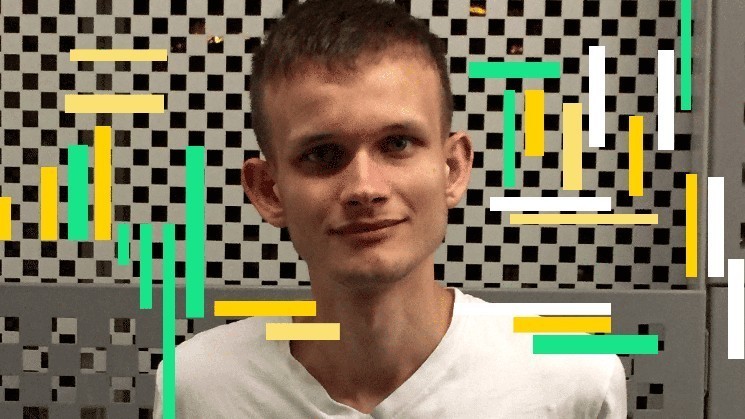

Ethereum’s Evolution: Vitalik Buterin Calls for Rethinking Layer-2 Networks
The Changing Landscape of Ethereum Scaling
Ethereum co-founder Vitalik Buterin has sparked an important conversation within the blockchain community by suggesting that the fundamental role of layer-2 networks needs to be reconsidered. In a candid post on X (formerly Twitter), Buterin explained that the original vision for Ethereum’s scaling strategy—which positioned layer-2 solutions as the primary avenue for growth—may no longer be the most appropriate framework as circumstances have evolved. This represents a significant shift in thinking from one of the most influential voices in cryptocurrency. The original “rollup-centric roadmap” envisioned layer-2 networks functioning essentially as secure extensions of the Ethereum mainnet, handling the bulk of everyday transactions while maintaining the security guarantees that Ethereum provides. These layer-2 solutions were often described as “branded shards” of the network, meaning they would carry Ethereum’s reputation and security credentials while operating with greater efficiency.
To understand what’s changed, it helps to grasp what layer-2 networks actually are. These systems, which include well-known platforms like Arbitrum, Optimism, and Base, are essentially secondary networks built on top of primary blockchains like Ethereum (known as layer-1). Using a helpful analogy, Buterin and others have compared Ethereum’s main network to a packed conference hall. When too many people try to get into a limited space, entry becomes both slow and expensive—you might have to wait in line and pay a premium just to get through the door. Layer-2 networks function like overflow rooms at that same conference. They allow participants to engage and interact without creating congestion in the main hall, while still maintaining a connection to the primary event. This setup was supposed to solve Ethereum’s notorious problems with slow transaction speeds and high fees, issues that have sometimes made the network impractical for everyday users.
Two Key Developments That Changed Everything
According to Buterin, two major developments have fundamentally challenged the original vision for how layer-2 networks would function within the Ethereum ecosystem. The first issue is that progress toward genuine decentralization among layer-2 solutions has been disappointingly slow and more complicated than anyone anticipated. When these networks were first conceived, the expectation was that they would relatively quickly mature into fully decentralized systems that maintained the same trustless guarantees as Ethereum itself. However, the reality has proven far more challenging. Many layer-2 projects have struggled to move beyond early stages of centralization, where control remains concentrated in the hands of small groups rather than distributed across a broad network of participants. This matters because decentralization isn’t just an ideological preference in the crypto world—it’s a fundamental security feature that prevents any single entity from controlling or manipulating the system.
The second major development is perhaps even more significant: Ethereum’s main network is now scaling effectively on its own, without necessarily requiring layer-2 solutions as a crutch. Transaction fees on the Ethereum mainnet have remained surprisingly low in recent months, contradicting the expectation that layer-1 would remain prohibitively expensive for most users. Furthermore, Ethereum’s gas limits—which effectively determine how many transactions the network can process—are expected to increase substantially in 2026. This means the main Ethereum network itself is becoming more capable of handling high transaction volumes directly, reducing the necessity of routing most activity through secondary networks. This wasn’t how things were supposed to unfold according to the original roadmap, and it has profound implications for how we should think about layer-2s moving forward.
What It Actually Means to Scale Ethereum
Buterin didn’t pull punches when defining what should genuinely count as “scaling Ethereum.” In his view, true scaling means creating substantial amounts of transaction space that carries “the full faith and credit of Ethereum”—where activity is guaranteed to be valid, uncensored, unreversed, and untampered with as long as Ethereum itself continues functioning properly. This is a high bar, and according to Buterin, many networks that claim to be scaling Ethereum don’t actually meet it. He was particularly critical of high-throughput chains that connect to Ethereum through bridges controlled by multisignature wallets (where a small group of keyholders must approve transactions). “If you create a 10000 TPS EVM where its connection to L1 is mediated by a multisig bridge, then you are not scaling Ethereum,” Buterin wrote bluntly. The TPS reference means transactions per second, and EVM refers to the Ethereum Virtual Machine, the computing environment where Ethereum programs run.
The distinction Buterin is making here is crucial. A network might process transactions very quickly and use Ethereum-compatible technology, but if its security depends on trusting a handful of people controlling a bridge rather than Ethereum’s broader consensus mechanism, it’s not truly extending Ethereum’s security guarantees. It’s building something adjacent to Ethereum, not an authentic part of it. This matters enormously to users because the security guarantees are what give Ethereum its value proposition. If those guarantees don’t extend to a layer-2 network in a meaningful way, then users interacting with that network are taking on significantly more risk than they might realize. Buterin’s argument is that we need to be honest about these distinctions rather than claiming that all layer-2 solutions are equivalently “Ethereum” in their security characteristics.
The Reality Check on Decentralization and Regulation
In his post, Buterin acknowledged an uncomfortable truth: many layer-2 networks are either unable or unwilling to meet the stringent decentralization and security standards that the original rollup-centric model demanded. Some of this reluctance stems from technical challenges—achieving true decentralization while maintaining high performance is genuinely difficult. But Buterin also pointed to another factor that’s perhaps even more significant: regulatory considerations. He noted that some layer-2 projects may intentionally choose not to progress beyond what the community calls “stage 1” of decentralization specifically because of regulatory requirements. In one telling example, he described a project whose representatives argued they might never fully decentralize because their customers’ regulatory needs require the project team to maintain ultimate control over the system.
This represents a fundamental tension in the cryptocurrency space between the decentralization ideals that underpin blockchain technology and the regulatory realities that projects face when dealing with institutional clients or operating in heavily regulated jurisdictions. Financial regulators in many countries are more comfortable with systems where there’s a clear entity in control that can be held accountable, comply with court orders, implement sanctions screening, and meet know-your-customer requirements. A truly decentralized system, by contrast, has no central authority that can guarantee compliance with these demands. Buterin acknowledged that for certain users and use cases, maintaining centralized control might actually be “doing the right thing for your customers.” However, he insisted that we shouldn’t pretend such systems are “scaling Ethereum” in the sense originally intended. They might be useful, they might serve important purposes, but they’re not delivering on the core promise of extending Ethereum’s trustless, censorship-resistant guarantees to a wider user base.
A New Framework: Layer-2s as a Spectrum
Rather than abandoning the concept of layer-2 networks entirely, Buterin proposed a more nuanced framework for thinking about them. Instead of viewing layer-2s as a uniform category of “Ethereum extensions,” he suggested we recognize them as a spectrum of networks with varying degrees of connection to Ethereum, each offering different trade-offs between security, speed, cost, and regulatory compliance. This spectrum approach is more honest about the diversity within the layer-2 ecosystem and allows users to make more informed decisions about which platforms suit their needs and risk tolerance. Some networks might maintain very tight integration with Ethereum’s security, inheriting nearly all of its guarantees but perhaps with more modest performance improvements. Others might sacrifice some security guarantees in exchange for dramatically higher throughput or specialized features.
According to Buterin, layer-2 networks should focus on providing value beyond merely offering basic scaling solutions, since Ethereum’s layer-1 is increasingly capable of handling that itself. Instead, layer-2s could differentiate themselves by offering privacy features that shield transaction details from public view, application-specific designs optimized for particular use cases like gaming or social media, ultra-fast transaction confirmation for use cases where speed is critical, or support for non-financial applications that might not justify the cost of layer-1 interaction. Most importantly, Buterin emphasized that layer-2 projects need to be transparent with users about what guarantees they actually provide. Rather than marketing themselves with vague claims about “scaling Ethereum,” these projects should clearly communicate their security model, degree of decentralization, and relationship to the Ethereum mainnet. This transparency would allow the ecosystem to mature with users making informed choices rather than operating under misconceptions about the security of the platforms they’re using.
Looking Forward: A More Honest Ethereum Ecosystem
Buterin’s comments represent more than just a technical recalibration—they signal a maturation in how the Ethereum community thinks about scaling and the ecosystem’s evolution. The original rollup-centric roadmap was developed when Ethereum’s layer-1 seemed destined to remain slow and expensive indefinitely, making layer-2 solutions an absolute necessity for mainstream adoption. Now that circumstances have changed, with Ethereum’s base layer proving more scalable than anticipated, the community has an opportunity to develop a more sophisticated and honest framework. This doesn’t mean layer-2 networks have no future; rather, it means their role and purpose need to be reconsidered and more clearly defined. The most successful layer-2 projects going forward will likely be those that carve out specific niches—offering genuine technological innovations or serving particular user communities—rather than simply claiming to make Ethereum faster and cheaper.
This evolution also reflects broader questions facing the entire blockchain industry about the balance between decentralization ideals and practical considerations. Not every application needs or benefits from maximum decentralization and censorship resistance. Some use cases legitimately require regulatory compliance and centralized oversight. The key is being honest about these trade-offs rather than wrapping centralized systems in decentralized rhetoric. As Ethereum continues to develop and the layer-2 ecosystem matures, Buterin’s call for clearer thinking and more transparent communication could help the community avoid disillusionment and build more sustainable solutions. The conversation he’s sparked reminds us that even foundational roadmaps need periodic reassessment as technology and circumstances evolve, and that intellectual honesty is just as important as technical innovation in building systems people can trust.