



Rising Antisemitism Forces Europe to Deploy Military Guards at Jewish Sites
A Visible Show of Force in Rome’s Historic Jewish Quarter
In the cobblestone streets surrounding Rome’s magnificent Great Synagogue, a scene has become disturbingly routine: Italian soldiers equipped with automatic rifles stand watch, their presence a stark reminder of the dangerous climate facing Jewish communities across Europe. These armed guards represent more than just increased vigilance—they symbolize a troubling reality that Jewish people on the continent are once again living under the shadow of potential violence. The narrow alleyways of Rome’s ancient Jewish quarter, which have witnessed centuries of history, now bear witness to a modern-day crisis. One soldier stationed there spoke candidly about why their presence has intensified, pointing to a disturbing pattern of attacks targeting Jewish sites throughout Europe. The most recent and alarming incident occurred in Liège, Belgium, where an explosion rocked a local synagogue. Though fortunately no one was physically injured in the blast, the psychological impact reverberated far beyond Belgium’s borders, prompting governments across the continent to reassess their security measures. The soldier’s observation that fewer visitors now venture into Rome’s Jewish neighborhood reflects a chilling reality: fear has become a companion to daily life for Jewish communities, and that fear is keeping people away from these historic and culturally significant areas.
A Continental Crisis: Antisemitic Violence Spreads Across European Cities
The explosion in Liège wasn’t an isolated incident but rather part of a deeply concerning wave of antisemitism washing over Europe. Authorities throughout the continent have documented a sharp increase in antisemitic incidents, attacks, and threats since the outbreak of the Iran war. The Netherlands has experienced particularly troubling episodes, with Jewish communities in both Amsterdam and Rotterdam facing attacks and intimidation. Meanwhile, French security services revealed they had successfully intercepted what they believed to be a terror plot specifically targeting Jewish sites within France’s borders. This pattern of violence and threatened violence represents a frightening escalation that has Jewish communities on edge and governments scrambling to respond. The roots of this current crisis can be traced back to October 7, 2023, when Hamas launched a devastating attack on Israel, killing hundreds of civilians and taking hostages. Israel’s subsequent military response in Gaza ignited global tensions, and Jewish communities worldwide—who have no direct involvement in Middle Eastern geopolitical decisions—found themselves facing increased hatred and violence. The situation deteriorated further when Israel and the United States made the decision to conduct military operations against Iran, a move that appears to have served as an accelerant, reigniting antisemitic hatred that had perhaps momentarily subsided. Jewish leaders and national security officials across Europe are now warning that as Israel finds itself more deeply entangled in this widening regional conflict, the risk of retaliatory attacks or copycat violence against Jewish targets in Europe may be climbing once again, creating an atmosphere of sustained anxiety.
Belgium Takes the Lead with Military Deployment
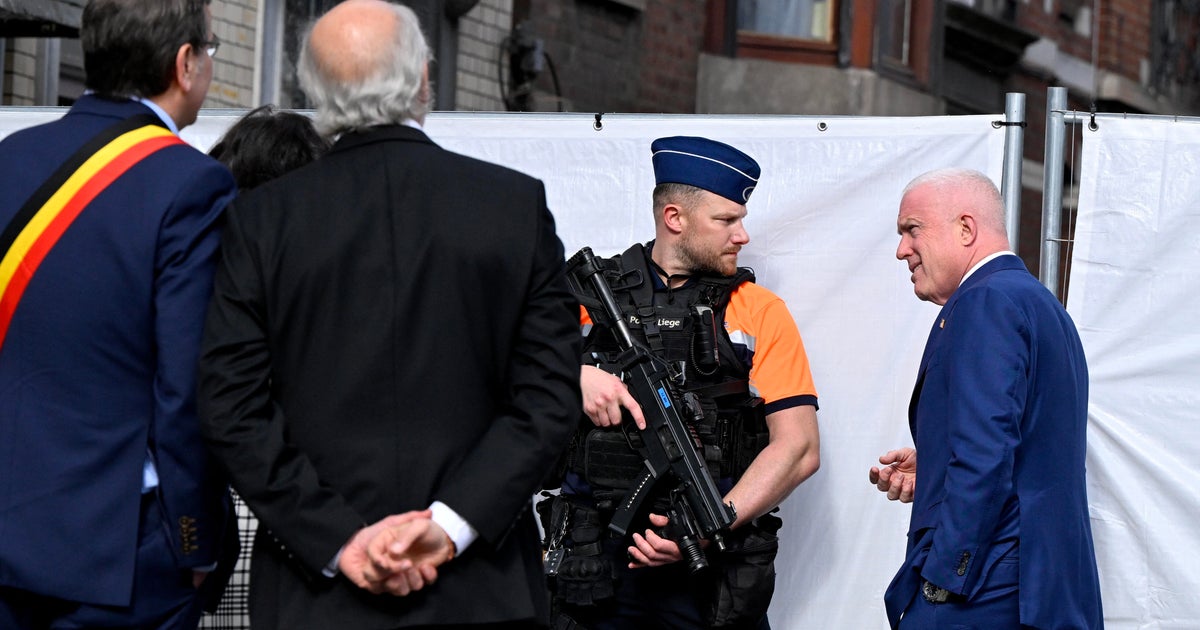
Belgium’s response to the synagogue attack in Liège marks a significant turning point in how European governments are addressing the antisemitism crisis. The decision to deploy military personnel to protect Jewish institutions represents an escalation that underscores just how seriously officials are taking the current threat environment. The sight of soldiers in combat gear standing guard outside synagogues, Jewish schools, and community centers is becoming increasingly common in Belgian cities, particularly in Brussels and Antwerp, which are home to substantial Jewish populations. Following the pre-dawn explosion that damaged the Liège synagogue, Belgian Interior Minister Bernard Quintin didn’t mince words about the necessity and urgency of the military deployment. His statement reflected both the gravity of the situation and the government’s determination to protect all its citizens. Quintin emphasized that the attack served as a “stark reminder” that Belgian Jews face very real dangers, not theoretical or distant threats. He framed the military deployment as a fundamental responsibility of the state, one that transcends political considerations or debates—the protection of citizens is non-negotiable, regardless of their religious identity or the complex geopolitical factors that might be fueling hatred against them.
A Multi-Layered Security Approach
The Belgian strategy involves using military personnel to supplement and reinforce local police forces, creating a multi-layered security apparatus around vulnerable Jewish sites. These soldiers serve multiple functions: their visible presence acts as a deterrent to would-be attackers who might think twice when confronted with armed military personnel; they provide additional manpower to maintain constant vigilance at multiple locations simultaneously; and they offer rapid response capabilities should an incident occur. The military component brings specialized training, equipment, and protocols that can complement civilian law enforcement efforts. In cities like Brussels and Antwerp, where Jewish populations are concentrated and where multiple sites require protection—from synagogues to Jewish schools, from community centers to kosher restaurants—the additional personnel make comprehensive security coverage more feasible. This approach acknowledges a hard truth: the current threat level requires resources beyond what traditional policing can provide. The soldiers patrolling these areas represent a commitment to preventing another Liège, another attack that, while causing no physical casualties this time, inflicted psychological wounds and sent shockwaves of fear through communities that have already endured centuries of persecution.
The Historical Weight and Modern Reality
The image of soldiers guarding Jewish sites in Europe carries profound historical resonance. The continent that gave birth to the Holocaust, where six million Jews were systematically murdered less than a century ago, once again finds itself in a position where Jewish communities require armed protection. This reality is deeply troubling to historians, community leaders, and ordinary citizens who believed that the darkness of the mid-20th century had taught lessons that would prevent such circumstances from recurring. Yet here we are, in 2026, with automatic weapons-wielding soldiers standing guard outside synagogues, with Jewish families wondering whether their children are safe at school, with communities facing the decision of whether to maintain visible Jewish identity or adopt a lower profile for safety’s sake. The current crisis differs from historical antisemitism in some ways—it’s often framed by perpetrators as anti-Israel sentiment rather than explicitly anti-Jewish hatred—but the impact on Jewish communities is devastatingly similar. When a synagogue in Belgium explodes, when Jewish neighborhoods in the Netherlands face threats, when terror plots target Jewish sites in France, the message received by Jewish communities is clear: they are not safe simply because of who they are.
Looking Forward: Security, Community, and Resilience
As European governments grapple with this security crisis, Jewish communities face difficult questions about their future on the continent. The deployment of soldiers provides necessary protection, but it also serves as a constant reminder of vulnerability. Children growing up seeing armed guards outside their schools, families walking past soldiers to attend religious services, communities that must pass through security checkpoints to access their own cultural centers—these experiences shape identity and sense of belonging in profound ways. Yet alongside the fear and the understandable anxiety, there’s also resilience. Rome’s Jewish quarter has survived for over two millennia, outlasting empires and persecution. Jewish communities throughout Europe have deep roots and strong ties to their cities and countries. The visible military presence, while sobering, also represents something important: governments publicly declaring that attacks on Jewish communities are attacks on the nation itself, that the state will deploy its resources to protect all citizens, and that antisemitism will be met with serious, concrete responses. The challenge moving forward will be addressing not just the symptoms—the immediate security threats—but the underlying disease of hatred that makes such security measures necessary. Education, interfaith dialogue, addressing online radicalization, and holding perpetrators accountable all play crucial roles in creating a future where soldiers outside synagogues are an uncomfortable memory rather than a daily reality. Until that future arrives, however, the patrols continue, the vigilance remains, and communities live with the difficult balance of maintaining normal life while acknowledging abnormal dangers.