

Major Recall Alert: Millions of Pounds of Frozen Chicken Fried Rice Pulled from Shelves Due to Glass Contamination
The Scope of the Recall
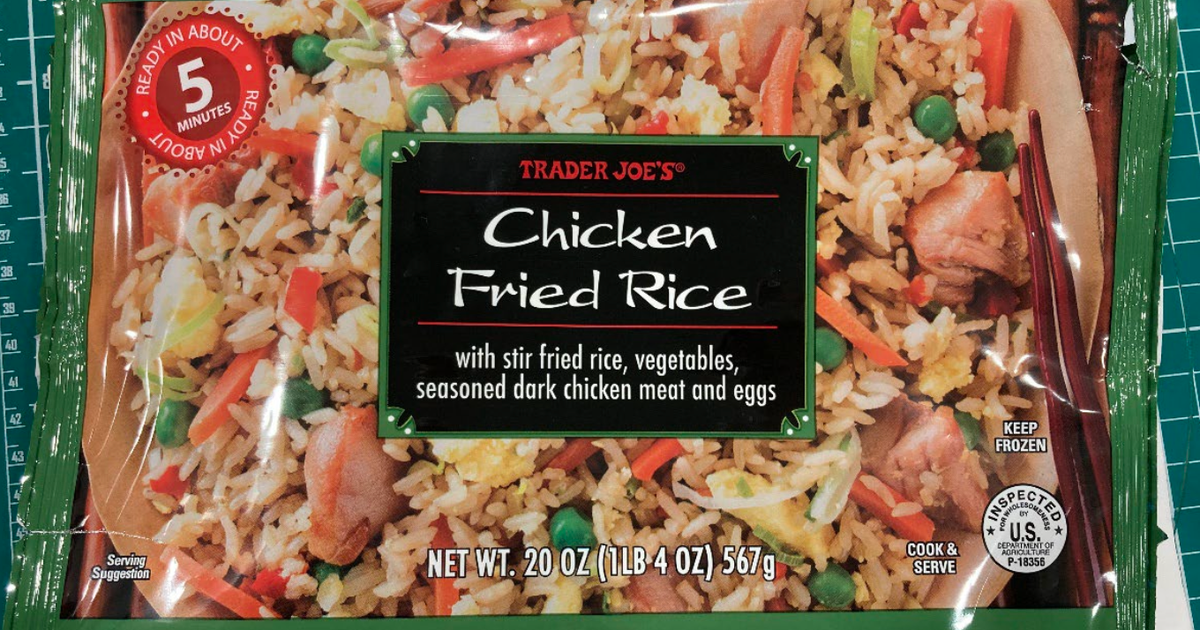
A significant food safety concern has emerged as a frozen food manufacturer takes action to protect consumers across North America. Ajinomoto Foods North America, based in Portland, Oregon, has initiated a massive recall affecting approximately 3.4 million pounds of frozen chicken fried rice products. This isn’t just a small batch issue – we’re talking about products that have been distributed widely to popular Trader Joe’s grocery stores throughout the United States and various retailers across Canada. The recall was officially reported by the U.S. Department of Agriculture on Thursday, highlighting the seriousness of the situation. What makes this particularly concerning is that the potential contamination involves glass fragments, which pose a serious health risk to anyone who might consume these products. The company is working with federal agencies to ensure all affected products are removed from store shelves and consumer freezers as quickly as possible.
Products and Timeline Affected
The recall specifically targets frozen chicken fried rice products that were manufactured during a specific timeframe – between September 8, 2025, and November 17, 2025. If you’re a Trader Joe’s shopper, you’ll want to check your freezer for 20-ounce packages of their chicken fried rice. These convenient frozen meals contain what sounds like a delicious combination of stir-fried rice, mixed vegetables, tender chicken pieces, and eggs – ingredients that make for a quick and easy dinner option. However, these products are classified as “not ready-to-eat,” meaning they require cooking before consumption. For Canadian consumers, the recall extends to cardboard packages containing six bags of frozen chicken fried rice labeled as “Ajinomoto yakitori chicken with Japanese-style fried rice.” If you have packages with best-by dates ranging from September 9 through November 12, these are part of the recall and should not be consumed.
What Triggered This Recall
The discovery of this contamination issue didn’t come from routine testing or quality control checks – it came directly from consumers who reached out to report their troubling findings. Ajinomoto Foods received reports from four separate customers who discovered glass fragments in their frozen chicken fried rice products. While four complaints might not sound like a huge number given the millions of pounds of product involved, when it comes to foreign objects like glass in food, even one report is taken extremely seriously. This is exactly the kind of situation where the food safety system is designed to work: attentive consumers notice something wrong, report it to the manufacturer, and the company takes immediate action to prevent potential injuries or worse. After receiving these customer complaints, Ajinomoto promptly notified the U.S. Department of Agriculture’s Food Safety and Inspection Service (FSIS), which then coordinated the official recall announcement to ensure the information reached as many affected consumers as possible.
The Potential Danger and Current Status
The USDA’s Food Safety and Inspection Service has been clear in its online notice that these products may be contaminated with foreign material, specifically identifying glass as the concern. Glass contamination in food is particularly dangerous because it can cause serious injuries if consumed – we’re talking about potential cuts to the mouth, throat, or digestive tract, which could require medical attention or even emergency care. The good news in this situation is that, as of the recall announcement, no injuries related to these frozen chicken fried rice products have been reported to the FSIS. This suggests that the recall was initiated early enough, and consumer awareness is spreading before anyone has been seriously hurt. However, the absence of reported injuries doesn’t diminish the importance of this recall. The potential for harm is very real, which is why federal food safety officials are treating this matter with the utmost seriousness and urging complete compliance with the recall instructions.
What Consumers Should Do Right Now
If you’ve recently purchased frozen chicken fried rice from Trader Joe’s or any of the Canadian products mentioned in the recall, it’s time to take action immediately. The FSIS has issued clear guidance: do not eat these products under any circumstances. Even if you’re thinking, “Well, I’ll just be careful and look for glass before I eat it,” that’s not a safe approach. Glass fragments can be tiny, nearly invisible, and impossible to detect with the naked eye, especially once the food is cooked and mixed together. The recommended course of action is straightforward – throw the product away. Don’t take chances with your health or the health of your family members. While wasting food is never ideal, and throwing away a package of frozen rice might feel wasteful, the potential risk far outweighs the cost of the product. Some consumers might wonder about returning the product to the store for a refund. While the recall notice doesn’t specifically mention refunds, many retailers have policies that allow returns for recalled items, so it might be worth contacting your local Trader Joe’s or the retailer where you purchased the product to ask about their recall return policy.
The Bigger Picture of Food Safety
This recall serves as an important reminder of the complex food safety system that operates largely behind the scenes to protect consumers. The U.S. Department of Agriculture, through its Food Safety and Inspection Service, works constantly to monitor food production, investigate complaints, and coordinate recalls when necessary. This system relies on multiple layers of protection – from manufacturer quality control to government inspection to consumer vigilance. In this case, it was everyday consumers who first identified the problem by reporting their findings, demonstrating how crucial it is for people to speak up when they encounter something wrong with their food. Food manufacturers produce millions of pounds of products daily, and while quality control measures are in place, nothing is perfect. The fact that Ajinomoto Foods responded quickly to customer complaints and voluntarily initiated this recall shows corporate responsibility in action. For consumers, this incident highlights several important lessons: always check recall notices (which can be found on the USDA FSIS website), pay attention to what you’re eating, and don’t hesitate to report any concerns to manufacturers or regulatory agencies. While recalls can be inconvenient and sometimes worrying, they’re a sign that the food safety system is working as intended – identifying problems and removing potentially dangerous products before widespread harm occurs.