
The U.S. Coast Guard Crisis: When America’s Maritime Defenders Can’t Pay Their Bills
A Nightmare Scenario Becomes Reality
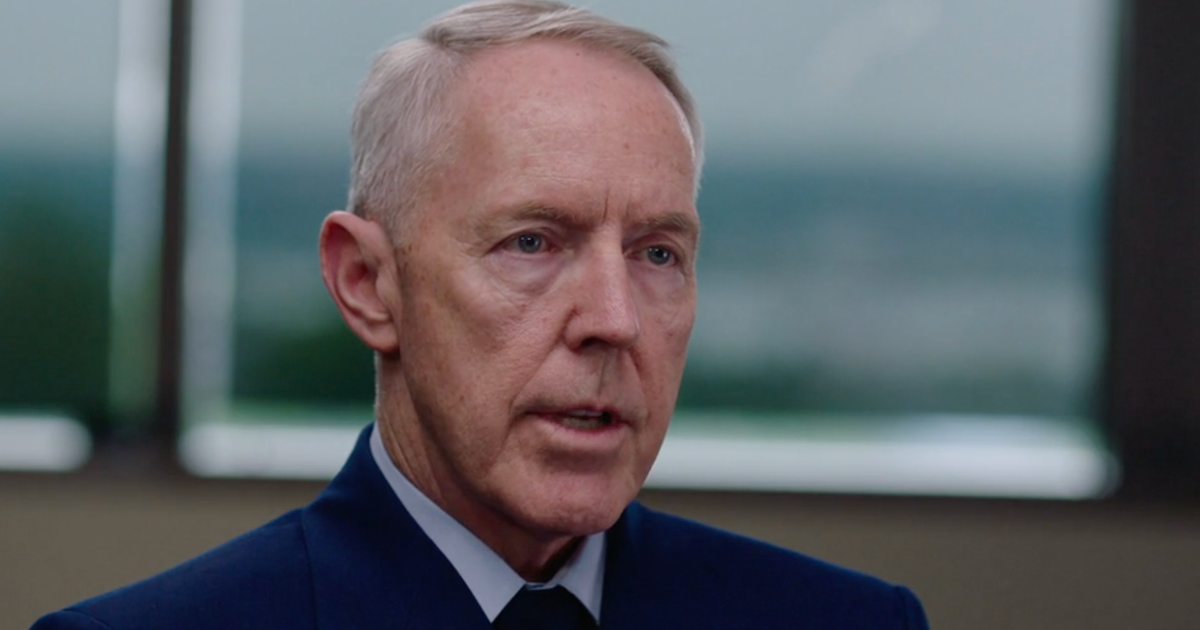
Imagine serving your country in dangerous waters, protecting America’s coastlines and citizens, only to come home to find your electricity shut off or your water turned off because your employer—the United States government—hasn’t paid the bills. This isn’t a hypothetical scenario or a plot from a dystopian novel. It’s the stark reality facing thousands of U.S. Coast Guard members and their families as the nation grapples with its longest government shutdown in history. After 75 days without funding, the Coast Guard finds itself in an unprecedented crisis, owing over $300 million in unpaid obligations and facing more than $5.2 million in overdue utility bills. Coast Guard Commandant Admiral Kevin Lunday didn’t mince words when describing the situation to CBS News: “It seems like a horror movie, but it’s actually happening. It’s almost unbelievable.” The consequences are both immediate and devastating—duty stations losing water service, military housing going dark, and service members forced to operate critical facilities by flashlight while their families scramble to find temporary shelter.
When the Lights Go Out: Real Consequences for Real Families
The impact of these unpaid bills has moved from theoretical to terrifyingly real. In Port Huron, Michigan, and at Station Channel Islands in California, water service was cut off, leaving Coast Guard personnel without this basic necessity. At Air Station Barbers Point in Hawaii, natural gas lines were temporarily locked. Perhaps most telling was the incident in St. Louis, Missouri, where a power outage forced recruiting officers to work by flashlight until electricity could be restored. Even a Coast Guard rear admiral in New Orleans wasn’t immune—his family was forced to relocate to a hotel when their electricity was shut off. This residence is just one of nearly 1,000 Coast Guard housing units currently at risk of losing power due to unpaid bills, with 43% of all housing units carrying invoices more than 30 days past due. Jessica Manfre, who has been a Coast Guard spouse for 18 years, explained that these aren’t isolated incidents but part of a broader pattern affecting families across the entire service. “When I heard that water is getting shut off at my friends’ stations and they’re having to call city officials to beg to have it turned back on because bills aren’t getting paid,” she said, “I knew this shutdown was different.”
The Human Cost: Families Stretched to the Breaking Point
Behind every unpaid utility bill and every missed paycheck is a family struggling to make ends meet. The shutdown has created impossible situations for Coast Guard families, many of whom depend on a single income or have both spouses working for the service. Manfre painted a picture of the daily struggles: “So many of our spouses work on base. So they miss three and a half paychecks in a world where you need two paychecks. That means sacrificing vacations, that means skimping, that means utilizing food pantries just to get by because those paychecks are suddenly all gone.” The financial strain extends beyond day-to-day living expenses. Commandant Lunday shared the story of a civilian machinist in Ketchikan, Alaska—a longtime employee who continued reporting to work during the last shutdown even after going without pay for weeks. Eventually, he was forced to sell his truck just to pay his mortgage. This dedication persists even as the shutdown continues, with the Coast Guard set to run out of funding to pay personnel on May 1, and the first missed paychecks expected on May 15. Families are delaying major life decisions, including medical treatments because they’re worried about making co-pays. The uncertainty has turned financial planning into an exercise in anxiety and forced many to choose between basic necessities.
Serving in Harm’s Way Without a Safety Net
Perhaps the most troubling aspect of this crisis is that Coast Guard personnel continue to serve in dangerous conditions worldwide, even as their paychecks become uncertain. Roughly 300 Coast Guard members are currently stationed in the Middle East amid the war in Iran, while others in the Indo-Pacific are boarding “ghost fleet” oil tankers in high-stakes missions. “We have people in harm’s way at this hour, conducting military operations along with other military services,” Lunday explained. “And it is hard to imagine that part of our armed forces would not be funded.” The Coast Guard’s nearly 45,000 active-duty members face a unique vulnerability that other service branches don’t experience. As the only one of the six armed services that falls under the Department of Homeland Security rather than the Department of Defense, the Coast Guard is left exposed when DHS funding lapses. The Army, Navy, Air Force, Space Force, and Marines all fall under the Defense Department and remain funded. This bureaucratic quirk has created a two-tiered system where some military members are protected during shutdowns while Coast Guard personnel are left wondering how they’ll feed their families. Manfre captured the sentiment shared by many Coast Guard families: “It is really disheartening because our members raise their hand just like every other service member. Only 1% of this country serves, and they willingly go wherever—they are fighting right now against Iran. It feels like it doesn’t matter. Like we don’t matter because we are not DOD. We’re somehow lesser—that’s how it feels.”
The Ripple Effects: Readiness, Recruitment, and America’s Maritime Future
The consequences of the shutdown extend far beyond immediate financial hardships. The Coast Guard has been forced to cancel 30 national security exercises and halt training ahead of major events, including the World Cup and America 250 celebrations. “It’s hollowing out our operational readiness,” Lunday warned. While the Coast Guard continues performing its highest priority national security missions, the ability to maintain cutters, aircraft, and boats is being challenged because there aren’t funds to pay people to do the necessary maintenance work. The commandant’s biggest concern isn’t just about equipment—it’s about the mental state of his personnel. “Whether they’re ready to face those threats, rather than worried about whether they’re going to get paid into May and whether their families are going to need more support,” he explained. The shutdown has also created absurd situations where service members are going into personal debt simply to follow orders. About one-third of the Coast Guard relocates each year, but moving advances are currently unavailable. Members are putting thousands of dollars on credit cards, depleting their savings, and taking out loans they can’t afford—essentially financing their own military transfers. The long-term damage to recruitment and retention is already becoming apparent, with Lunday admitting, “It is hard to look a recruit in the eye and say, ‘This is the career for you.'”
A Crisis with National Implications
The Coast Guard shutdown isn’t just a military issue—it’s affecting America’s entire maritime infrastructure and commerce. There’s now a backlog of nearly 19,000 merchant mariner credentials, representing roughly 10% of the entire workforce, along with approximately 5,000 medical certifications. These commercial mariners are vital to maritime commerce and the U.S. flag fleet, and the inability to process their credentials comes at a time when America is trying to rebuild its maritime capabilities. Bridge projects across the country are also at risk, since the Coast Guard has suspended permitting during the shutdown, potentially jeopardizing project funding for critical infrastructure improvements. With roughly $5.4 trillion in commerce moving through U.S. waterways every year, and the Coast Guard responsible for ensuring that happens safely and securely, the impact of this crisis touches every American. Manfre delivered a powerful message to lawmakers: “You can’t tell me in one breath that you believe in our military… and then vote against funding an agency that protects this country every day. You just can’t.” She compared Congress’s inaction to a temper tantrum, with one crucial difference: “They’re doing it on our backs. We’re the ones that are suffering. Congress continues to get paid. But we’re sitting here waiting, wondering and suffering the consequences of their legislative game of chicken.” On Day 75 of the shutdown, Commandant Lunday’s assessment was blunt: “Today, the Coast Guard is operating in a crisis.” When asked how much longer his personnel could continue without funding, he paused before answering: “Well, we’ve taken an oath, all of us in the military, in the DHS, to support and defend the Constitution. And we’re going to do it as long as we have the ability. But we’re in territory we haven’t been in before.” As the shutdown continues with no resolution in sight, thousands of Coast Guard families continue their watch, protecting America’s waters and borders while wondering if they’ll be able to keep the lights on in their own homes.