

Federal Fraud Case Takes Dramatic Turn: Accused Ringleader Allegedly Orchestrates Media Campaign from Jail
Allegations of Document Leaking and Political Manipulation
The massive $250 million Feeding Our Future fraud case has taken an unexpected and controversial turn, with federal prosecutors accusing the mastermind behind the scheme of orchestrating an elaborate public relations campaign from behind bars. Aimee Bock, who was convicted last year on multiple charges related to what authorities describe as one of the largest pandemic fraud cases in the nation, now faces additional allegations that she directed her college-age son to systematically leak sensitive court documents to media outlets and political figures. According to a motion filed by the United States Attorney’s Office on Tuesday, Bock has been conducting what prosecutors characterize as a coordinated effort to reshape public perception of her role in the fraud scheme ahead of her May 21 sentencing date. The allegations paint a picture of a defendant who, even while awaiting sentencing, continues to manipulate systems and people to serve her interests, this time targeting the court of public opinion rather than federal nutrition programs.
The prosecution’s motion details how Bock allegedly used recorded jail phone calls to instruct her son on downloading large volumes of material from her personal Dropbox account and distributing them to carefully selected recipients. These weren’t just any documents—they included materials explicitly protected by court order, including emails from Bock’s Feeding Our Future email account that were part of the government’s discovery disclosures in her criminal case. According to prosecutors, Bock believed these documents would portray her as someone who actually tried to combat fraud within Feeding Our Future, rather than as the architect of a scheme that exploited vulnerable communities and defrauded taxpayers of hundreds of millions of dollars. Perhaps most troubling to prosecutors, Bock allegedly instructed her son to remove exhibit stickers and other identifying marks that would reveal the documents came from her federal criminal case before sending them out, suggesting she was fully aware she was violating court orders and attempting to cover her tracks.
Targeting Politicians and Crafting a False Narrative
The alleged campaign wasn’t random or scattershot—prosecutors say it was strategically designed to shift blame and create political pressure. According to court documents, a Minnesota House member received two emails from the same address making explosive claims that Governor Tim Walz, Attorney General Keith Ellison, and the Minnesota Department of Education “intentionally set Feeding Our Future and Aimee Bock up as a scapegoat.” In a recorded jail call from March 16, Bock allegedly told her son exactly what message to include in emails: “Ellison’s office intentionally set Bock/FOF up to be a scapegoat.” This wasn’t just an attempt to defend herself—it was an effort to reframe a case where she was convicted on all counts into a political conspiracy theory that portrayed her as a victim rather than a perpetrator. The strategy became even more politically charged in a March 27 call when Bock reportedly instructed her son to send files to “Republicans in DC,” specifically mentioning “the guy who told Ellison he should be in jail” and “right wing people the Trump follows,” according to the motion. This suggests a calculated attempt to weaponize political divisions and create sympathetic coverage in conservative media outlets that might be predisposed to view the case through a partisan lens.
In what prosecutors likely found particularly damning, Bock was allegedly recorded in a call with an unidentified woman essentially boasting about her leak campaign. According to the motion, Bock claimed she hadn’t “snitch[ed] on nobody” while her case was pending, “but we’re blowing s*** up now. We’re leaking all kinds of documents.” This statement not only appears to acknowledge the leak campaign but suggests it was being conducted deliberately and with a clear purpose—to cause disruption and reshape the narrative surrounding her case. The government’s investigation into these leaks intensified last week when they learned that a reporter for the Minnesota Star Tribune had obtained copies of documents that “could only have come from the government’s discovery disclosures, in violation of the Court’s Protective Order.” While prosecutors couldn’t determine with absolute certainty who provided the documents to the reporter, they stated it “seems apparent that Bock, or an individual acting on her behalf, is responsible.” Even more concerning to prosecutors, Bock allegedly said in an April 19 phone call that her criminal defense attorney, Kenneth Udoibok, and the editor of the Minnesota Star Tribune were coordinating on when to publish an article that would “favorably color her role in the fraud” to “garner the most strategic advantage.”
Concerns About Witness Safety and Justice System Integrity
Prosecutors aren’t treating these allegations as mere technicalities or procedural violations—they view them as serious threats to both the integrity of the criminal justice system and the safety of individuals who cooperated with the investigation. “Bock’s leaking of protected material into the public domain is directly and highly harmful not only to the government’s prosecution, but also to the safety of those witnesses who have chosen to come forward and speak to law enforcement,” prosecutors wrote in Tuesday’s motion. This concern is particularly significant given the scope of the Feeding Our Future case, which has resulted in charges against 92 people since 2021, with 67 convictions to date. Many of these convictions likely involved cooperation from individuals within the scheme who chose to testify against others, potentially including Bock herself. When documents from such a case are leaked into the public domain, those witnesses may face retaliation, intimidation, or at minimum, unwanted public exposure that could affect their lives, businesses, and reputations.
The motion emphasizes that protective orders exist precisely to prevent this type of conduct, and prosecutors argue that “Bock should be sanctioned accordingly for her manipulation of the criminal justice process.” These protective orders serve multiple important functions in complex criminal cases: they protect witness identities and testimony, preserve the integrity of evidence, ensure fair trial procedures, and maintain the confidential nature of certain discovery materials that defendants receive as part of their constitutional right to defend themselves. When a defendant violates these orders, particularly in such an allegedly systematic and calculated manner, it undermines all of these protective functions. The situation is made more complex by Bock’s use of her son as an intermediary—a tactic that not only potentially shields her from direct accountability but also draws a young adult into conduct that could have legal consequences for him as well. This aspect of the case raises questions about how far a defendant will go to avoid accountability and whether family members can be manipulated or coerced into participating in obstruction of justice.
Defense Response and Sanctions Sought
Bock’s attorney, Kenneth Udoibok, offered a defense of his client’s actions that portrayed them as the desperate efforts of a mother seeking justice rather than the calculated manipulation prosecutors allege. “In an inartful way, her kids, who are under 19 years of age, are hoping that the media and the legislative branch see their mom’s plight. Aimee is not trying to harm or intimidate anyone; rather, she wants the whole truth out before the legislature and the president. She’s crying for help,” Udoibok told WCCO in a statement. This characterization attempts to reframe the alleged document leaking as the naive actions of concerned children rather than a sophisticated public relations campaign directed by their mother. However, this defense raises its own questions: if Bock’s children were acting independently out of concern for their mother, why do prosecutors have recordings of Bock giving them specific instructions about what to download, who to send documents to, and what messages to include? The “crying for help” narrative also sits uncomfortably alongside the alleged recorded statement where Bock reportedly boasted about “blowing s*** up now” and “leaking all kinds of documents.”
In response to these allegations, the U.S. Attorney’s Office is requesting significant sanctions from the court. Prosecutors are asking that Bock be sanctioned for violating the protective order and that the order be modified to require her to relinquish control of her Dropbox account and surrender all physical and electronic copies of protected material in her possession, including materials on her son’s computer. Perhaps most dramatically, prosecutors are suggesting sanctions that would include an order prohibiting Bock from any form of contact with her sons ahead of her May 21 sentencing. This extraordinary request—to cut off a mother from contact with her children—underscores how seriously prosecutors view the alleged violations and suggests they believe the leak campaign would continue if Bock maintains the ability to communicate with her sons. Such a sanction would be unusual and significant, likely granted only if the court finds compelling evidence that Bock has indeed been orchestrating the leak campaign and that lesser measures would be insufficient to prevent further violations. Bock’s next motion hearing is scheduled for Thursday, where these issues will presumably be argued before the judge who will ultimately decide what, if any, sanctions are appropriate.
The Original Fraud Scheme and Its Massive Scale
To understand the full context of these latest allegations, it’s important to revisit the underlying fraud case that brought Aimee Bock to national attention. Bock was found guilty in March of last year on all criminal charges against her, including conspiracy to commit wire fraud and conspiracy to commit federal programs bribery. The charges stemmed from her role as the executive director of Feeding Our Future, a nonprofit organization that was supposed to sponsor meal programs for low-income children under federal nutrition programs. Instead, prosecutors alleged that Bock signed off on reimbursement claims for millions of meals that were never actually served to children. Together with meal site operators she worked with, Bock was accused of stealing tens of millions of federal dollars and spending the money on luxury cars, real estate ventures, and lavish vacations—a far cry from the program’s intended purpose of feeding hungry children. The scheme exploited pandemic-era expansions of federal nutrition programs that were designed to ensure vulnerable children continued receiving meals even when schools were closed and normal food distribution channels were disrupted.
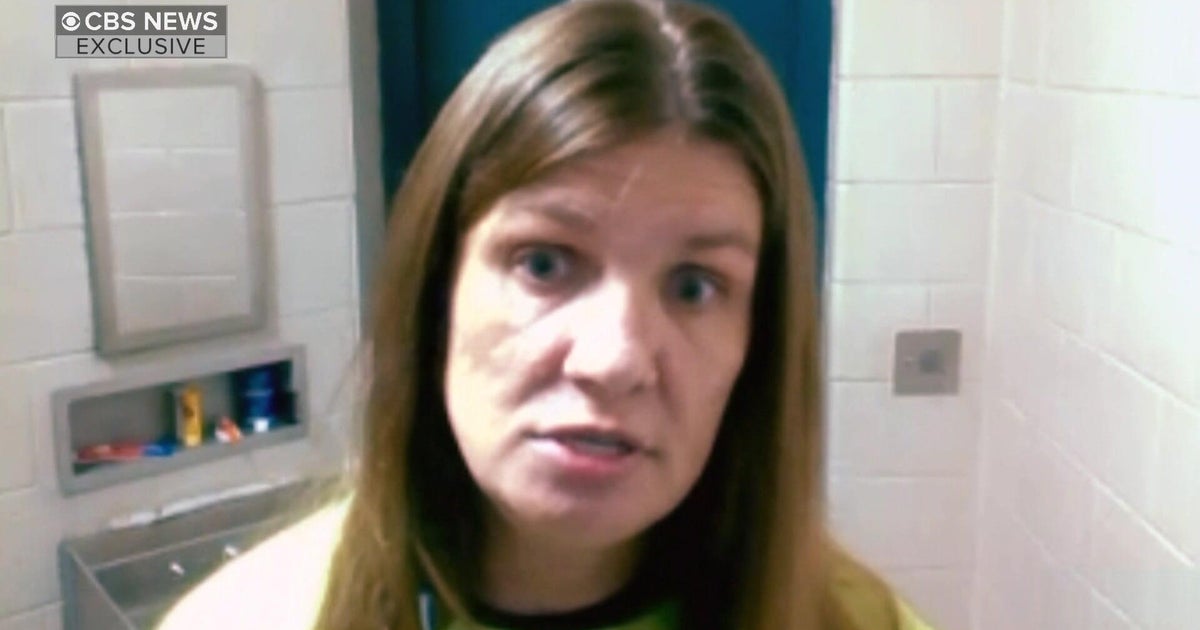
The scale of the fraud was staggering—$250 million makes this one of the largest pandemic fraud cases in United States history. Last year, a judge ordered Bock to forfeit more than $5 million in proceeds from the scheme, though that amount represents only a fraction of the total losses. Since 2021, an astonishing 92 people have been charged in connection with various schemes related to Feeding Our Future, with 67 convicted to date, including five people who pleaded guilty last month for their roles in the scandal. These numbers illustrate that this wasn’t just one person’s crime but rather a massive conspiracy involving dozens of participants across multiple organizations and meal sites. The breadth of the conspiracy also explains why prosecutors are so concerned about protecting witnesses—with so many defendants and co-conspirators, there are likely numerous individuals who chose to cooperate with investigators and testify against others in exchange for reduced sentences or other considerations. In an exclusive interview with CBS News conducted before these latest allegations emerged, Bock defended her conduct, admitted some regrets, and argued that state officials who she worked with should bear some of the blame for what happened. It was the first time Bock spoke publicly since her arrest, and her willingness to engage with media even then foreshadowed the alleged public relations campaign prosecutors now say she’s been conducting from jail. As her May sentencing date approaches, Bock appears to be fighting on every available front—not just in court, but in the media, in political circles, and apparently through her family members—to reshape how her case is perceived and potentially influence the severity of her sentence.