

Government Seeks to Keep White House Correspondents’ Dinner Shooting Suspect Behind Bars
Detention Request Filed as New Evidence Emerges
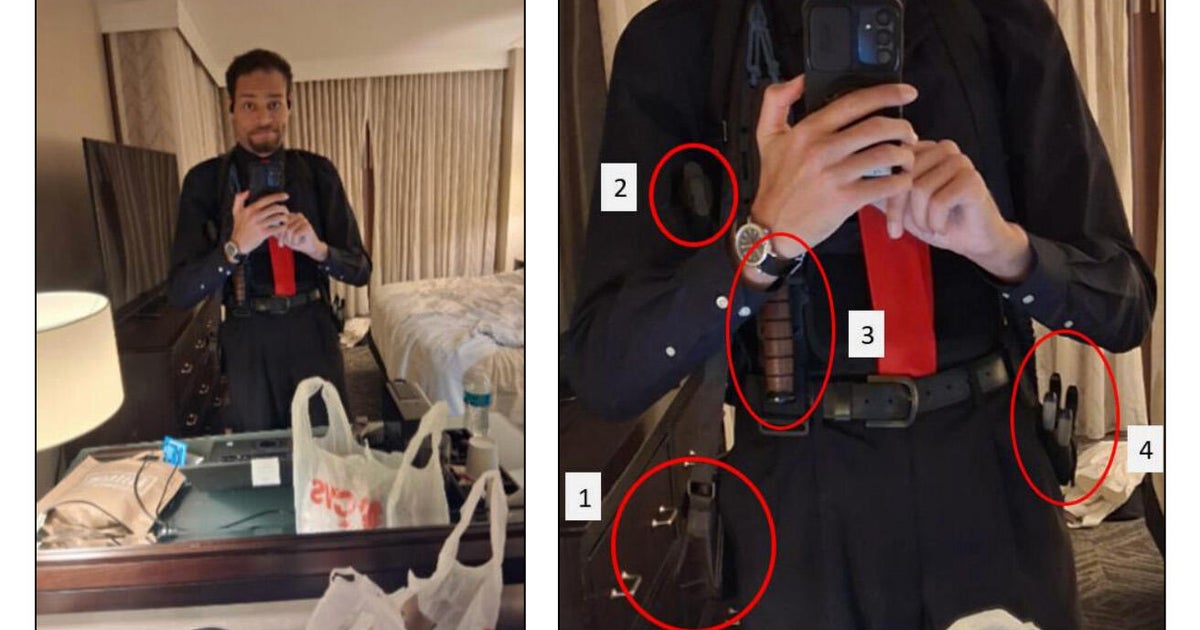
Federal prosecutors are pushing for Cole Allen, the man accused of opening fire at the White House Correspondents’ Dinner, to remain in custody as he awaits trial. In court documents submitted on Wednesday, D.C. U.S. Attorney Jeanine Pirro laid out the government’s case for why Allen should not be released, painting a picture of a calculated and dangerous individual whose actions put countless lives at risk. The filing includes compelling new evidence that prosecutors say demonstrates the premeditated nature of the attack, including a chilling photograph that Allen allegedly took of himself just moments before carrying out the shooting.
The memorandum filed by prosecutors reveals disturbing details about Allen’s preparation in the minutes leading up to the attack. According to the court documents, at approximately 8:03 p.m. on Saturday night, while still in his hotel room, Allen used his cellphone to snap a selfie in the mirror. The photograph, which has now been submitted as evidence in the case, shows Allen equipped with what appears to be tactical gear, including a shoulder holster and a sheathed knife clearly visible in the image. This wasn’t a spontaneous act of violence, prosecutors argue, but rather a carefully planned assault that Allen documented as he prepared to carry it out. The fact that he took the time to photograph himself in full gear suggests a level of deliberation and intent that undermines any potential argument that this was an impulsive decision made in the heat of the moment.
The Attack Unfolded Rapidly
What happened next unfolded with terrifying speed. Approximately thirty minutes after taking that selfie, authorities say Allen made his move. According to the official timeline, the suspect sprinted past the security magnetometers—the metal detectors designed to prevent exactly this kind of incident—and fired a shotgun blast before being stopped. The brazen nature of the attack is particularly alarming to law enforcement officials: Allen didn’t attempt stealth or deception but rather charged directly through security measures in broad view of officers and attendees. After discharging his weapon, Allen fell to the ground, where he was quickly restrained by law enforcement officers who had rushed to neutralize the threat. The rapid response likely prevented what could have been a far more devastating incident at one of Washington’s most high-profile media events.
Serious Federal Charges with Maximum Penalties
The severity of Allen’s alleged actions is reflected in the charges he now faces. On Monday, he was formally charged in federal court with three separate counts, the most serious of which is attempting to assassinate the president. This charge alone carries extraordinary weight in the American legal system, as threats against the nation’s highest office are treated with utmost gravity. The two additional charges relate to the use and transport of firearms, which, while secondary to the attempted assassination charge, add significant legal jeopardy to Allen’s situation. If convicted on all counts, Allen faces the possibility of life imprisonment—a maximum sentence that prosecutors emphasized in their memorandum as they argued for his continued detention. The combination of these charges reflects the government’s view that this was not merely a security breach or weapons violation, but a direct and intentional attack on the president’s life.
Prosecutors Argue Allen Poses Ongoing Threat
In their memorandum requesting that Allen be held without bail, federal prosecutors didn’t mince words about the danger they believe he represents. “The defendant’s actions were premeditated, violent, and calculated to cause death,” the document states unequivocally. This characterization goes to the heart of the government’s argument: that Allen’s attack was not the result of poor judgment or a momentary lapse, but rather a thought-out plan designed to kill. The memorandum continues by addressing the legal standard for pre-trial detention, arguing that “there is no condition or combination of conditions that will reasonably assure the safety of other people or the community if the defendant were released from custody.” This is the key legal threshold prosecutors must meet to keep a defendant jailed before trial—they must convince the court that no amount of supervision, monitoring, or restrictions would be sufficient to protect the public if Allen were released. Given the nature of the alleged crime and the evidence of premeditation, prosecutors are making the case that Allen’s release would pose an unacceptable risk.
What Happens Next in the Legal Process
The court filing concludes with a clear and direct recommendation: “The Court should detain the defendant pending trial.” This sets the stage for what will likely be a detention hearing where both prosecutors and Allen’s defense attorneys will present arguments about whether he should remain in custody or be released under certain conditions while awaiting trial. Such hearings in cases involving alleged attempts on the president’s life are typically straightforward, with courts almost invariably siding with the government’s request for continued detention given the severity of the charges. The evidence that prosecutors have already made public—particularly the selfie showing Allen armed and equipped shortly before the attack—will likely weigh heavily in the judge’s decision. As this case moves forward through the federal court system, Allen will face not only the immediate question of detention but ultimately a trial that could result in him spending the rest of his life behind bars. The White House Correspondents’ Dinner, traditionally an evening of humor and celebration of the free press, will now be remembered for this violent disruption, and the legal proceedings against Cole Allen will serve as a sobering reminder of the ongoing security challenges faced by public officials and the law enforcement personnel tasked with protecting them. The case represents a test of the federal justice system’s ability to respond to what prosecutors have characterized as a premeditated attempt to assassinate the nation’s leader, and the outcome will be watched closely by security professionals and legal experts nationwide.