
The Trump Administration’s Controversial Hospital Food Initiative: A Deep Dive
A New Front in the Culture Wars: What’s on Your Hospital Tray?
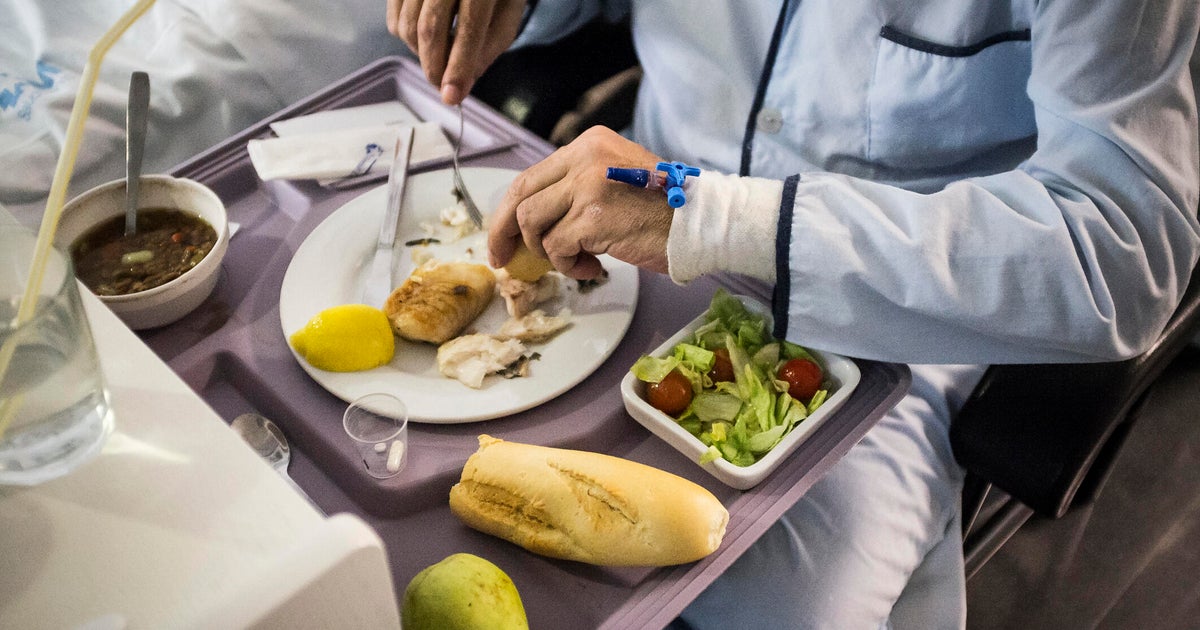
Hospital food has long been the subject of eye-rolling jokes and patient complaints. The stereotypical image of quivering Jell-O and watery fruit juice has become synonymous with the less-than-appetizing culinary experience many patients endure during their stays. However, what was once merely a source of mild frustration and humor has suddenly become a political flashpoint. The Trump administration, under the leadership of Health and Human Services Secretary Robert F. Kennedy Jr., has launched an ambitious—and controversial—initiative that’s turning hospital cafeterias into battlegrounds. The administration is now actively encouraging the public to report hospitals and nursing homes that serve sugary drinks, nutrition shakes, or meals that allegedly don’t align with dietary guidelines established by the Department of Agriculture last year. Officials have gone so far as to threaten withholding millions of dollars in federal funding from healthcare facilities found to be in violation of these standards. This dramatic escalation has transformed routine hospital meal service from a mundane operational detail into a matter of potential federal enforcement action, sparking heated debates about government overreach, medical autonomy, and the appropriate role of federal agencies in healthcare delivery.
The Enforcement Threat: Empty Rhetoric or Real Consequences?
The initiative has created significant confusion about what exactly the federal government can and will do to enforce these dietary preferences. At a March 30 press event, Secretary Kennedy declared that the administration was sending notices to hospitals instructing them to align their food purchases with the 2025-30 dietary guidelines to maintain eligibility for Medicaid and Medicare payments. He boldly stated, “We are going to bring all the hospitals in the country in line with good food,” describing the instructions as “essentially a federal mandate.” Adding fuel to the fire, Calley Means, a top Kennedy adviser, took to social media platform X to call on the public to report non-compliant hospitals, warning that “if a hospital is serving patients sugary drinks, they are out of compliance with government standards and are putting their reimbursements in jeopardy.” Means even provided a link to an HHS webpage with a toll-free number typically used for medical billing complaints, essentially creating a hotline for citizens to report hospitals serving beverages the administration deems inappropriate. However, when pressed for clarification, HHS spokesperson Andrew Nixon walked back the threatening rhetoric considerably, stating that the guidance “does not establish new mandates, change Medicare Conditions of Participation, or create any new penalties for hospitals or nursing homes.” Nixon described the notice as merely building on “long-standing expectations” that healthcare facilities meet patients’ nutritional needs as part of quality care, and specifically distanced the agency from Means’s social media posts and reporting hotline suggestions. This disconnect between the aggressive public messaging and the official agency position has left hospitals, healthcare providers, and legal experts scratching their heads about the true intent and enforceability of this initiative.
Legal Questions and Regulatory Authority Concerns
The legal foundation for this initiative stands on shaky ground, according to numerous lawyers, dietitians, and policy experts who have analyzed the administration’s approach. Kevin Klatt, a dietitian and research scientist who serves as an assistant professor at the University of Toronto, bluntly assessed the situation: “Most of this is political theater. HHS doesn’t have the power to do much.” He added a particularly pointed criticism: “Also, if it’s to the point that you’re trying to control people’s choices, well, you look a little fascist.” The core legal issue revolves around whether HHS has the regulatory authority to enforce these dietary preferences without going through a formal rulemaking process—a lengthy procedure that includes public comment periods and rigorous legal review. While HHS can withhold federal funding from hospitals that violate mandatory minimum health and safety standards, those standards don’t explicitly reference the 2025-30 dietary guidelines. Instead, they require that “individual patient nutritional needs must be met in accordance with recognized dietary practices” and that hospitals have access to qualified dietitians. As an April 13 legal brief from law firm Akin Gump Strauss Hauer & Feld pointed out, “CMS has never before interpreted this requirement as mandating adherence to any set of dietary guidelines.” The brief noted that CMS is taking the “notable step” of incorporating dietary guidelines “into the hospital regulatory framework without new rulemaking.” University of Michigan law professor Nicholas Bagley explained that while Kennedy lacks a clear legal basis for these actions, “hospitals and nursing homes can’t afford to ignore it altogether because of what it signals about potential enforcement action.” If federal funding were actually withheld, affected hospitals could sue to challenge HHS’s authority, but most institutions are understandably reluctant to engage in costly legal battles with the federal government, even when they believe they’re in the right.
Medical Necessity Versus Dietary Ideology: The Clinical Reality
Perhaps the most compelling criticism of the administration’s hospital food initiative comes from healthcare providers who work directly with patients and understand their complex nutritional needs. The guidance provided by HHS includes specific “don’ts”—such as sugar-sweetened beverages and juice—and “do’s”—including water, unsweetened tea, milk, and coffee. Suggested meals feature items like grilled salmon with quinoa or bean-based entrees with leafy greens. While these recommendations might sound healthful for the general population, they fail to account for the unique circumstances of hospitalized patients. Kevin Klatt illustrated this disconnect with a stark example: “For a patient struggling to swallow from just having a stroke, salmon and quinoa is the worst thing for them. They’re going to risk aspirating on it.” The administration’s particular targeting of liquid nutrition products like Ensure has alarmed many healthcare providers. Calley Means specifically warned that serving these products could put hospitals in jeopardy, telling social media users to “report them if you see it.” However, clinical evidence strongly supports the use of such products for certain patient populations. According to a clinical trial published in Nutrición Hospitalaria, a peer-reviewed scientific journal, eighty percent of malnourished elderly patients gained weight and improved muscle mass when given nutritional supplements such as Ensure. Abbott, the manufacturer of Ensure, explained that their products serve people “who could be malnourished due to medical treatments, such as chemotherapy, and not be getting the calories they need because they don’t have much of an appetite.” Healthcare providers worry that hospitals following the administration’s guidance too rigidly could face legal liability for neglecting to provide certain standards of care, such as protein shakes to treat malnutrition or unhealthy weight loss. As one healthcare provider noted, “It’s always a struggle to get people to eat. Losing weight in the hospital raises the risk of mortality.” The one-size-fits-all approach advocated by the administration simply doesn’t align with the individualized, patient-centered care that modern medicine strives to provide.
Unusual Political Dynamics and Surprising Critics
What makes this initiative particularly fascinating from a political perspective is how it has scrambled traditional partisan alignments and created unexpected opposition. The backlash against Kennedy’s hospital food crusade has come not only from doctors and medical providers concerned about patient care but also from Republicans who view it as contradicting their party’s long-standing anti-regulatory stance. The irony of a Republican administration threatening federal enforcement action to dictate what foods can be served has not been lost on conservative observers who typically champion limiting government interference in business operations. Even some figures aligned with Kennedy’s Make America Healthy Again (MAHA) movement have expressed discomfort with the enforcement approach. Mary Talley Bowden, a sleep medicine specialist who has often supported MAHA causes, publicly criticized the administration’s call to report violations, posting on X: “Give me a break Calley. A hospital snitch line for soda?” In an interview, she described the initiative as “a little tyrannical.” Meanwhile, Calley Means responded to criticism with dismissive rhetoric, posting: “‘Trump Derangement Syndrome’ has led Democrats to defend the medical importance of mass-serving soda and junk food to American patients.” This framing attempts to paint critics as defending unhealthy food rather than defending medical autonomy and patient-centered care. The political calculation behind this initiative is transparent—improving American dietary habits through federal action polls extremely well across the political spectrum. According to a Navigator Research poll released in September 2025, eighty-six percent of registered voters said it should be easier for every American family to access fresh fruits and vegetables. Kennedy has strategically focused on changing eating habits because it fits perfectly into the MAHA narrative and enjoys broad public support, making it politically safer territory than many of his other controversial positions.
The Bigger Picture: Symbolism, Substance, and Healthcare Policy
The hospital food initiative ultimately reveals much about the Trump administration’s approach to health policy and the tensions inherent in translating popular political messaging into practical healthcare reform. On one hand, few would argue that American hospital food couldn’t be improved or that our nation’s overall dietary habits don’t contribute to chronic health problems. Public health advocate and molecular biologist Marion Nestle praised the initiative in an April 8 blog post, writing that the suggested changes “sound terrific!” Her response reflects genuine enthusiasm from some in the nutrition science community who have long advocated for better institutional food standards. On the other hand, the gap between the administration’s aggressive public rhetoric and its actual regulatory authority suggests this may be more about political theater than substantive policy change. As HHS spokesperson Andrew Nixon’s careful walk-back of the enforcement threats indicates, the agency may lack both the legal authority and the practical means to follow through on its most dramatic pronouncements. The confusion sown by conflicting messages from Kennedy, Means, and official HHS communications leaves hospitals in an impossible position—unclear whether they’re facing a serious enforcement threat or simply political posturing. This initiative also highlights a fundamental tension in conservative governance: the desire to use federal power to achieve culturally conservative goals while simultaneously claiming to oppose government overreach. The image of citizens reporting their local hospitals to federal authorities for serving orange juice is difficult to reconcile with traditional conservative rhetoric about limiting federal power and regulatory burdens. Whether this hospital food crusade represents a genuine shift in healthcare policy or simply a high-profile but ultimately toothless publicity campaign remains to be seen, but it has certainly succeeded in generating attention and controversy—perhaps the real objective all along.