
The Discovery of the USS Tampa: Finding Heroes Lost for Over a Century
A Remarkable Discovery Ends a Century-Long Mystery
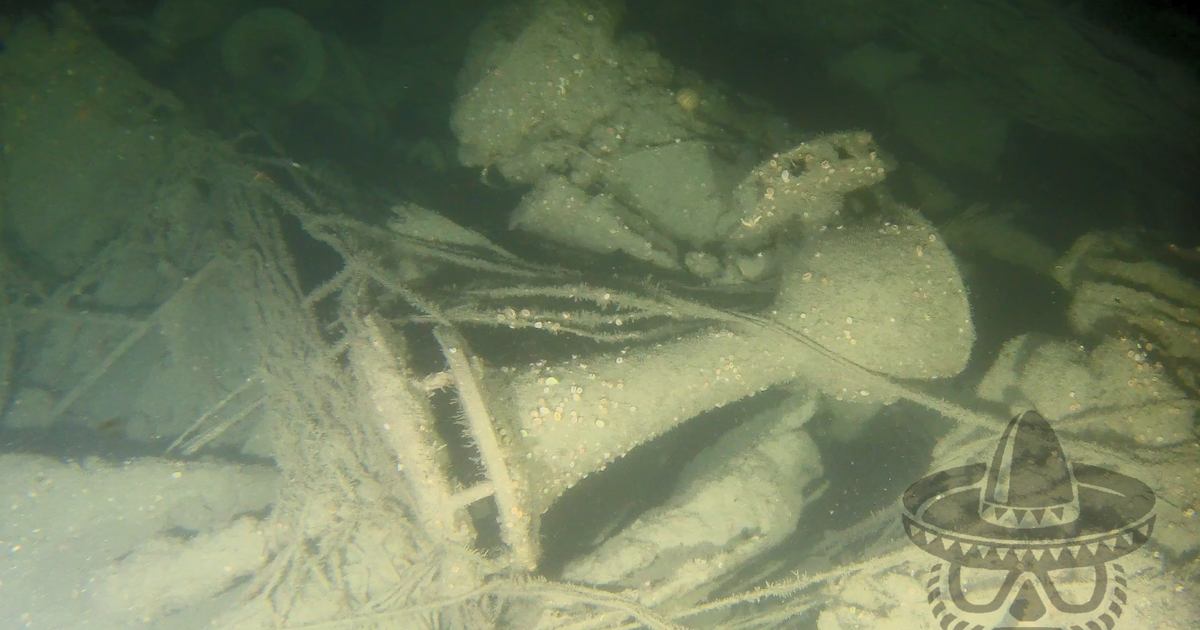
After lying hidden beneath the cold waters of the Atlantic Ocean for more than 106 years, the Coast Guard Cutter Tampa has finally been found. This iconic American military vessel, which met a tragic end during World War I, was discovered by a dedicated British diving team called the Gasperados approximately 50 miles off the coast of Cornwall, resting more than 300 feet below the ocean’s surface. The announcement, made by the U.S. Coast Guard on Wednesday, brings closure to one of the most devastating maritime losses in American military history. The sinking of the Tampa on September 26, 1918, claimed the lives of all 131 souls aboard, making it the single largest loss of life on any U.S. combat ship during the entire First World War. For the families of those lost and for the Coast Guard community, this discovery represents not just the location of a shipwreck, but the finding of a sacred memorial site where brave men gave their lives in service to their country. The Gasperados diving team announced their success after three years of persistent searching, declaring they had “finally cracked it” – a testament to their dedication and the importance they placed on honoring these fallen servicemen.
A Ship and Crew That Exemplified Service
The Tampa’s story is one of dedication, bravery, and exceptional service during one of history’s most challenging periods. In the summer of 1917, when the United States entered World War I, six Coast Guard cutters were dispatched overseas for convoy duty – dangerous work that involved protecting merchant ships carrying vital supplies across submarine-infested waters. Under the capable command of Captain Charles Satterlee, the Tampa became a shining example of naval excellence, successfully escorting 18 convoys across treacherous waters and earning special commendations for exemplary service. What makes the Tampa’s story particularly poignant are the glimpses we have into the daily lives and character of its crew through the ship’s logs. These records paint a picture of a crew with remarkably high morale who embodied the best qualities of military service – courage, selflessness, and camaraderie. The logs document extraordinary acts of heroism and kindness that went well beyond the call of duty. In one instance, an electrician didn’t hesitate to dive into the cold ocean waters to rescue a drowning British officer. Two medical officers voluntarily transferred to another ship to provide care for an injured boatswain, putting themselves at risk to help a fellow sailor. In a lighter moment that speaks to the crew’s generous spirit, they even loaned out the ship’s ice cream freezer to another vessel without waiting for official permission – a small act that demonstrates the humanity and friendship that existed among these servicemen even in the midst of war.
The Tragic Night That Changed Everything
The evening of September 26, 1918, started like many others for the crew of the Tampa. The ship was making its way through the Bristol Channel, heading toward a Welsh port to refuel – a routine operation they had performed countless times before. The war was actually nearing its end; the Armistice that would end World War I was just weeks away. But fate had other plans for the Tampa and her crew. Lurking beneath the waves was the German submarine UB-91, a deadly predator searching for targets. When the submarine commander spotted the Tampa, he made the fateful decision to fire. The torpedo struck the cutter with devastating effect, and the ship sank in less than three minutes – so quickly that there was virtually no time for the crew to react, launch lifeboats, or send distress signals. The speed of the sinking sealed the fate of everyone aboard. U.S. destroyers and British patrol craft rushed to the scene when the Tampa failed to arrive at port, desperately searching the dark waters for survivors. Their search proved heartbreaking – they found only scattered debris and two bodies in naval uniforms so damaged they couldn’t be identified. All 131 people who had been aboard the Tampa perished that night: 111 Coast Guardsmen, four U.S. Navy personnel, and 16 British Navy personnel and civilians. For the families waiting at home for news, the loss was incomprehensible. Unlike soldiers who fell in battle, these men simply vanished, their final resting place unknown for over a century.
The Three-Year Quest to Find the Tampa
The story of the Tampa’s discovery is itself a tale of dedication and perseverance. In 2023, the Gasperados Dive Team, an all-volunteer group of British divers passionate about maritime history, reached out to the U.S. Coast Guard with a proposal to search for the long-lost cutter. The Coast Guard recognized the importance of this mission and agreed to support the effort, providing the diving team with valuable archival materials to aid in their search. These included historical images of the Tampa’s deck fittings, distinctive features like the ship’s wheel and bell, and documentation of the weaponry she carried – all details that would help identify the wreck if found. For three years, the Gasperados team searched the waters off the British coast, facing the challenges of deep-water diving, poor visibility, strong currents, and the vast area where the Tampa might have gone down. They came up empty time and again, but refused to give up on finding these lost heroes. Just last week, after receiving new intelligence that provided fresh leads, team leader Steve Mortimer announced they would explore two more final target areas. Three days later came the announcement the team had been working toward: the Tampa had been found. Mortimer explained the significance of their discovery: “This discovery is the result of three years of research and exploration. Tampa is of huge importance to the United States and the relatives of everyone who died that day. Their final resting place is known at last.” His words capture how this discovery provides closure not just to historical records, but to families who have wondered for generations about their ancestors’ final moments.
Honoring the Fallen and Looking Forward
The discovery of the Tampa carries profound meaning for the U.S. Coast Guard and for all who value military service and sacrifice. Admiral Kevin Lunday, Commandant of the Coast Guard, eloquently expressed what this discovery means to the service in a statement released Wednesday: “When the Tampa was lost with all hands in 1918, it left an enduring grief in our service. Locating the wreck connects us to their sacrifice and reminds us that devotion to duty endures. We will always remember them.” These words acknowledge that the pain of this loss has been carried by the Coast Guard for over a century, passed down through generations of service members who never forgot their fallen brothers. Now that the Tampa has been located, the Coast Guard is developing comprehensive plans for further underwater research and exploration of the ship. Using modern robotics and autonomous underwater systems, researchers will be able to document the wreck site thoroughly while ensuring it remains undisturbed as the final resting place of those who died there. This technology will allow detailed examination of the ship without physically disturbing the site – a respectful approach that honors the Tampa as a war grave. The research may also provide additional insights into exactly what happened that night in 1918, potentially answering questions that have lingered for decades. The site will likely be designated as a protected memorial, ensuring that the Tampa and the men who rest with her are treated with the dignity and reverence they deserve.
A Pattern of Remembrance: Other World War I Discoveries
The discovery of the Tampa is part of a broader pattern of World War I shipwrecks being located and identified in recent years, as advancing technology makes it possible to search deeper waters and more remote locations than ever before. These discoveries serve as powerful reminders that the First World War, though it ended over a century ago, still has stories to tell and heroes to honor. Last year, nine ships that were sunk by German torpedoes during World War I were discovered off the coast of Morocco, revealing another chapter in the naval warfare that raged across global waters during the conflict. In November 2024, British military officials announced that a shipwreck found off the coast of Scotland had been positively identified as HMS Hawke, a British cruiser that was torpedoed during World War I with the loss of more than 500 crew members – an even greater tragedy than the Tampa. About a month before that announcement, an expedition ship discovered the German World War I supply vessel Titania off the coast of Chile, showing how far-ranging the naval operations of that war truly were. Each of these discoveries represents not just historical curiosity being satisfied, but families finally learning where their ancestors rest, nations being able to properly honor their war dead, and all of us being reminded of the terrible cost of war. The men aboard the Tampa and these other vessels were real people with families, dreams, and futures that were cut short. Finding their final resting places allows us to remember them not just as statistics in history books, but as individuals who made the ultimate sacrifice. As we reflect on the Tampa’s discovery, we’re reminded that the sea keeps its secrets for a long time, but eventually, with dedication and respect, those secrets can be revealed, and the heroes of the past can finally be properly honored.