

El Salvador’s Bitcoin Gamble: A Nation’s Financial Tightrope Walk
The Crypto Experiment That Shook a Nation
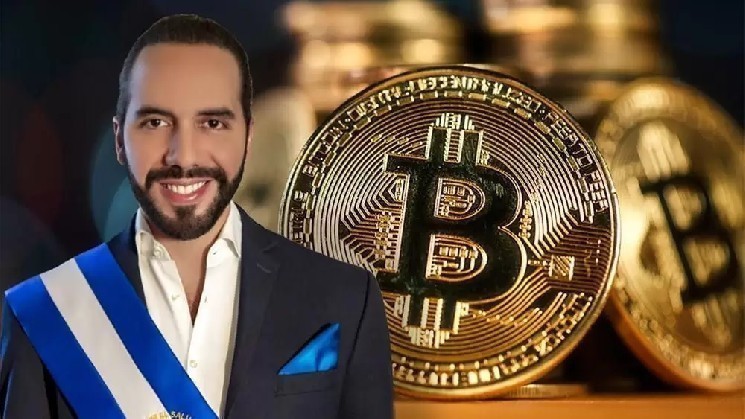
El Salvador captured the world’s imagination when it became the first country to adopt Bitcoin as legal tender alongside the US dollar. President Nayib Bukele’s bold move was hailed by cryptocurrency enthusiasts as a revolutionary step forward, but recent developments have exposed the vulnerabilities of tying a nation’s financial future to the volatile world of digital currencies. The recent sharp decline in Bitcoin’s value has sent shockwaves through El Salvador’s economy, triggering concerns among international investors and putting the country’s relationship with the International Monetary Fund in jeopardy. What was once celebrated as an innovative approach to monetary policy has now become a cautionary tale about the risks of embracing unproven financial technologies at a national level.
Despite mounting pressure and significant losses, President Bukele has remained defiant in his commitment to Bitcoin, maintaining his policy of purchasing “one Bitcoin a day” even as the cryptocurrency’s value plummets. This unwavering stance has transformed El Salvador into a real-world laboratory for cryptocurrency adoption, with the entire nation serving as test subjects in an economic experiment whose outcome remains uncertain. The president’s determination reflects either visionary leadership or reckless gambling, depending on one’s perspective, but regardless of how history ultimately judges this decision, the immediate consequences for El Salvador’s financial stability are becoming increasingly difficult to ignore.
The Financial Fallout: Mounting Losses and Market Anxiety
The numbers tell a sobering story of financial distress. El Salvador’s Bitcoin holdings have experienced a staggering decline in value, dropping from approximately $800 million to around $500 million according to Bloomberg’s calculations. This represents a loss of hundreds of millions of dollars in government assets at a time when the country can least afford it. To put this in context, El Salvador’s total international reserves stand at approximately $4.5 billion, meaning the Bitcoin losses represent a significant portion of the country’s financial cushion. For a small developing nation with limited economic resources, such losses aren’t merely numbers on a spreadsheet—they represent schools that won’t be built, healthcare services that won’t be provided, and infrastructure projects that will be delayed or canceled.
The broader market reaction has been equally troubling. Investors have pushed El Salvador’s credit default swap premiums to their highest levels in five months, signaling growing anxiety about the country’s ability to meet its debt obligations. These financial instruments essentially function as insurance against a country defaulting on its bonds, and when the premiums rise sharply, it indicates that sophisticated investors are becoming increasingly nervous about a nation’s economic stability. El Salvador’s dollar-denominated bonds experienced the sharpest decline among all emerging markets last week, though some losses were later recovered during a general rally in emerging market debt. This volatility underscores the fragility of investor confidence and suggests that El Salvador’s reputation in international financial markets is hanging by a thread.
The IMF Standoff: A Critical Relationship at Risk
Perhaps the most serious consequence of El Salvador’s Bitcoin strategy is the strain it has placed on the country’s relationship with the International Monetary Fund. The IMF has been negotiating a $1.4 billion loan package with El Salvador, but these discussions have become increasingly complicated by the government’s continued Bitcoin purchases and its delay in implementing crucial pension system reforms. The second review of the IMF program has been stalled since September, primarily because the Salvadoran government has failed to publish its analysis of the pension system—a key requirement for moving forward with the loan agreement. With the third review scheduled for March, time is running out to resolve these issues before they jeopardize the entire lending arrangement.
Financial analysts and emerging markets experts are sounding alarm bells about what could happen if the IMF relationship collapses. Christopher Mejia, an emerging markets analyst at T Rowe Price, noted that the IMF may strongly object to the possibility of loan funds being used to purchase Bitcoin, and that the cryptocurrency’s continued decline is doing nothing to ease investor concerns. Jared Lou, a manager at the William Blair Emerging Markets Debt Fund, was even more direct, stating that continued Bitcoin purchases create potential challenges for IMF reviews and warning that “the market would react very negatively if IMF support were to disappear.” The IMF, for its part, has stated that discussions regarding pension reform and Bitcoin purchases are ongoing, with particular emphasis on better understanding the cryptocurrency purchases and increasing transparency around them.
Walking the Diplomatic Tightrope: The US Connection
One factor that may be working in El Salvador’s favor is President Bukele’s close relationship with the current US administration. As the largest shareholder in the IMF, the United States wields considerable influence over the organization’s lending decisions and policy positions. Oppenheimer analyst Thomas Jackson observed that “the Bukele administration appears to be pushing the limits of the program by using its preferential relationship with the U.S.” This diplomatic connection could provide El Salvador with some breathing room and flexibility that other countries in similar circumstances might not enjoy. However, relying on political relationships rather than sound economic fundamentals is a risky strategy that could backfire if political winds shift or if US patience with Bukele’s Bitcoin experiment wears thin.
Some experts have even suggested that El Salvador might completely exit the IMF program and instead seek financing directly from the United States. While this could theoretically allow the country to continue its Bitcoin purchases without IMF oversight, such a scenario would come at a significant cost. The IMF program has been one of the key pillars supporting confidence in El Salvadoran bonds, which have actually been a remarkable success story among emerging markets, delivering yields of over 130% in the last three years. Abandoning this relationship could undermine investor confidence and make it much more expensive for El Salvador to borrow money in international markets, potentially creating a vicious cycle of declining creditworthiness and rising borrowing costs.
The Debt Mountain: Looming Payment Obligations
Beyond the immediate concerns about Bitcoin losses and IMF relations, El Salvador faces a daunting schedule of debt payments that will test the country’s financial resilience. The nation must make $450 million in bond payments this year alone, a figure that is projected to increase to approximately $700 million next year. Additionally, pension debt obligations are expected to reach 6% of GDP after April—a substantial burden for an economy already under strain. These aren’t optional expenses that can be postponed or negotiated away; they are hard commitments that must be met to maintain the country’s creditworthiness and access to international capital markets.
The timing of these obligations couldn’t be worse. With Bitcoin values having fallen 46% from their October peak and continuing to show volatility, El Salvador is experiencing significant losses precisely when it needs financial stability most. The cryptocurrency’s decline of more than 22% since the end of January alone has led to losses of up to 2.6 cents per dollar in El Salvadoran bonds maturing in 2035. For investors holding these bonds, this represents a tangible financial loss that erodes confidence and makes future lending to El Salvador more difficult and expensive. The country finds itself in a precarious position: needing to borrow more money to meet existing obligations while simultaneously watching its asset base shrink and its credibility with lenders deteriorate.
The Uncertain Future: Success Story or Cautionary Tale?
As El Salvador navigates these treacherous financial waters, the world watches with a mixture of fascination and concern. The country’s Bitcoin experiment represents an unprecedented attempt to integrate cryptocurrency into a national economy, and its outcome will likely influence policy decisions in other countries for years to come. If President Bukele can somehow navigate through the current crisis and Bitcoin eventually recovers, vindication may await. However, if the situation deteriorates further—particularly if the IMF relationship collapses or if El Salvador faces difficulty meeting its debt obligations—the consequences could be severe not just for the country but for the broader cryptocurrency movement that has championed this experiment.
Interestingly, despite all the turmoil, some market indicators suggest that investors haven’t completely lost faith in El Salvador. Some of the country’s bonds continue to trade above their face value, and analysts note that El Salvadoran bonds appear to have formed a price floor, suggesting that at least some investors believe the worst may be behind us. However, this tentative optimism is heavily dependent on factors outside El Salvador’s control, including the future direction of Bitcoin prices and the willingness of the IMF and United States to continue supporting the country despite its unconventional monetary policies. What remains clear is that El Salvador’s financial future hangs in the balance, caught between President Bukele’s conviction in his Bitcoin strategy and the harsh realities of international debt markets and institutional lending requirements. The coming months will be critical in determining whether this grand experiment in cryptocurrency adoption becomes a blueprint for innovation or a warning about the dangers of letting ideological commitment override economic prudence.