
Hezbollah Declares Trump’s Ceasefire Extension “Meaningless” Amid Rising Tensions
A Fragile Peace Under Strain
The tentative ceasefire between Israel and Lebanon faces serious challenges as one of Hezbollah’s senior political figures has openly dismissed the recent three-week extension announced by President Trump. Ali Fayyad, a longtime parliamentarian representing Hezbollah’s political wing in Lebanon’s government, issued a strongly worded statement on Friday rejecting the ceasefire extension that Trump had announced just a day earlier in Washington. His comments reflect the deep frustration within Hezbollah—a group that operates both as a legitimate political party in Lebanon and as a heavily armed military force backed by Iran—over what they perceive as Israel’s ongoing violations of the agreement. Fayyad’s statement makes clear that from Hezbollah’s perspective, the ceasefire exists only on paper while Israeli forces continue what they characterize as hostile actions on Lebanese soil.
Hezbollah’s Grievances and Warning
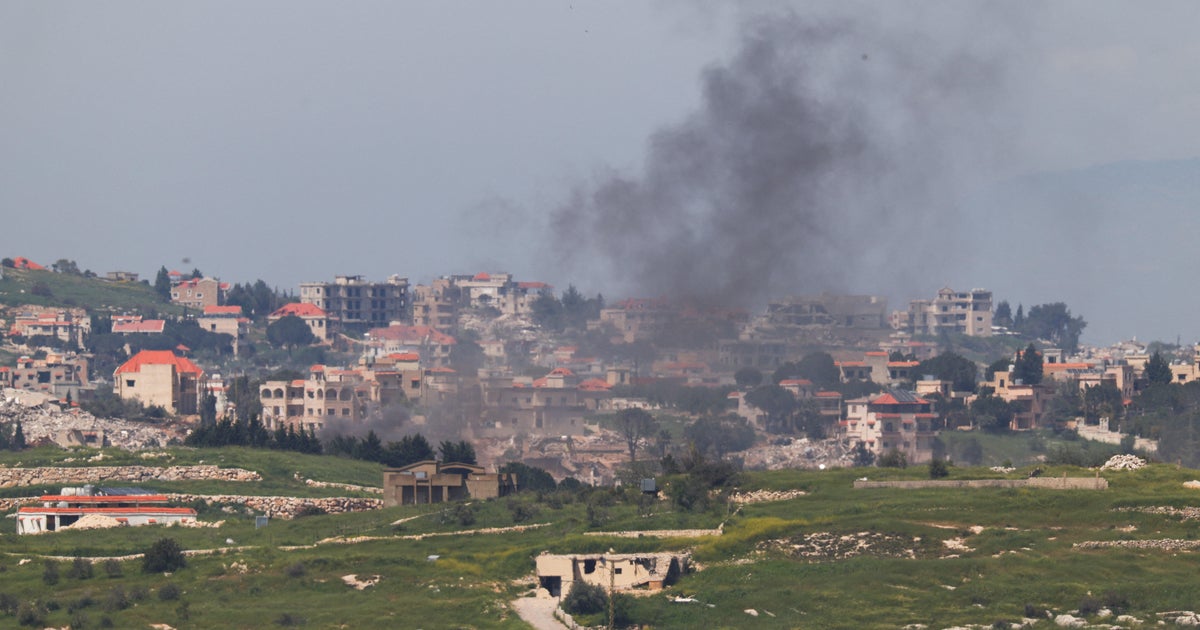
According to Fayyad, the ceasefire has become essentially worthless because Israel continues to engage in what Hezbollah considers aggressive military actions despite the supposed truce. In his statement, delivered through Lebanon’s official National News Agency, Fayyad outlined a list of Israeli activities that Hezbollah views as violations: assassinations of targets within Lebanon, continued bombardment of Lebanese territory, opening fire on Lebanese civilians or positions, and the systematic destruction of villages and towns along Lebanon’s southern border with Israel. Beyond these specific actions, Fayyad also criticized Israel’s insistence on maintaining freedom of movement throughout southern Lebanon under the justification of addressing potential security threats. This freedom of movement claim appears to reference Israel’s establishment and ongoing occupation of a buffer zone that extends approximately six miles into Lebanese territory along the entire southern border. Israeli military and political leaders have been clear that they have no immediate plans to withdraw from this zone, stating that Israeli troops will remain indefinitely until they are satisfied that Hezbollah no longer poses a threat to Israeli communities in northern Israel. This open-ended occupation, with no clear timeline for withdrawal, has become a major point of contention. Fayyad’s statement made it unmistakably clear that Hezbollah reserves the right to respond to what it considers Israeli aggressions, setting the stage for a potential escalation that could shatter the fragile ceasefire entirely.
The Political Complexity Behind the Ceasefire
One of the most significant aspects of Fayyad’s statement is his explicit rejection of the legitimacy of the ceasefire agreement itself, based on how it was negotiated. The current ceasefire was arranged between the Israeli government and Lebanon’s official government, but notably, Hezbollah was not directly involved in these negotiations. This creates a complicated political situation because while Hezbollah is part of Lebanon’s political structure, with elected representatives in parliament and significant influence over government decisions, it also operates as an independent military force with its own command structure and decision-making process. Hezbollah often refers to its armed wing as “the resistance,” a term that carries deep meaning in Lebanese politics, evoking the group’s stated mission of defending Lebanon against Israeli aggression and occupation. Fayyad’s statement emphasized that this “resistance” cannot and will not accept the ceasefire extension, firmly rejecting it and promising to confront the situation. This language suggests that Hezbollah sees itself as having the authority to make its own decisions about war and peace, independent of whatever agreements Lebanon’s government might reach with Israel or international mediators like the United States.
The Right to Respond: Hezbollah’s Red Lines
In his statement, Fayyad was explicit about the conditions under which Hezbollah would feel justified in taking military action, essentially laying out red lines that Israel would cross at its peril. He declared that “any Israeli aggression against any Lebanese target, regardless of its nature, gives the resistance the right to respond appropriately.” This sweeping statement suggests that Hezbollah considers virtually any Israeli military action within Lebanon—whether targeting Hezbollah positions, other armed groups, or infrastructure—as justification for a military response. This position puts the ceasefire on extremely shaky ground because it means that routine Israeli military operations in the buffer zone, security sweeps, or responses to perceived threats could all trigger Hezbollah retaliation, which would in turn likely provoke Israeli counter-responses, potentially spiraling into a renewed full-scale conflict. The vagueness of what constitutes an “appropriate” response also leaves considerable room for interpretation and escalation, as Hezbollah could justify responses ranging from limited strikes to major military operations depending on how they characterize the initial Israeli action.
The Occupation Question and Lebanese Sovereignty
Perhaps the most fundamental issue highlighted in Fayyad’s statement is the question of Israeli withdrawal from Lebanese territory. He made it clear that from Hezbollah’s perspective, any ceasefire that doesn’t include a clear path toward complete Israeli withdrawal from Lebanese soil is unacceptable. Fayyad stated that “any ceasefire that does not constitute a prelude linked to Israel’s withdrawal from Lebanese territory affirms the Lebanese people’s firm and final right to resist the occupation and expel it from our land in order to restore full Lebanese sovereignty.” This language frames the issue in terms of national sovereignty and resistance to foreign occupation, themes that resonate not just with Hezbollah’s base but with many Lebanese across the political spectrum who view Israeli military presence on Lebanese soil as a violation of their country’s independence. The fundamental disconnect here is that Israel has made it clear its troops will remain in southern Lebanon indefinitely, with no specific timeline for withdrawal, while Hezbollah is stating equally clearly that no lasting peace is possible without Israeli withdrawal. This creates an seemingly irresolvable standoff: Israel won’t leave until it feels secure from Hezbollah attacks, but Hezbollah won’t accept any agreement that doesn’t include Israeli withdrawal, and in fact claims the right to attack Israeli forces precisely because they remain on Lebanese territory.
Implications for Regional Stability
The strong rejection of the ceasefire extension by Hezbollah through Fayyad’s statement has serious implications for the broader Middle East region. Hezbollah is not simply a Lebanese organization but is closely backed by Iran, serving as one of Tehran’s most important proxy forces in the region. Iran has invested heavily in Hezbollah over decades, providing weapons, training, funding, and strategic guidance, viewing the group as a crucial component of its regional influence and its strategy of maintaining pressure on Israel. Any decision by Hezbollah to resume hostilities with Israel would likely have been coordinated with or at least approved by Iranian leadership, and could potentially draw Iran more directly into the conflict. The timing is also significant, as President Trump’s announcement of the ceasefire extension suggests active American diplomatic engagement in trying to maintain stability, but Hezbollah’s immediate rejection indicates that U.S. influence over the situation is limited. The international community, including the United Nations and European nations, has been working to prevent a wider regional war that could involve not just Israel and Lebanon, but potentially Iran, Syria, and other actors. The fragility of this ceasefire, as demonstrated by Fayyad’s statement, shows how difficult it will be to achieve lasting stability without addressing the fundamental issues at stake: the Israeli military presence in Lebanon, the security concerns of Israeli communities in the north, Hezbollah’s role in Lebanese politics and its arsenal of weapons, and the broader competition for regional influence between Iran and its adversaries. As residents of southern Lebanon remain displaced and unable to return to their homes while Israeli forces occupy the buffer zone, and as Israeli residents in the north remain concerned about potential Hezbollah attacks, the conditions for renewed conflict remain very much in place despite the nominal ceasefire.