


The White House Welcomes New Buzzing Residents: Expanding the Presidential Beekeeping Program
A Sweet Addition to America’s Most Famous Address
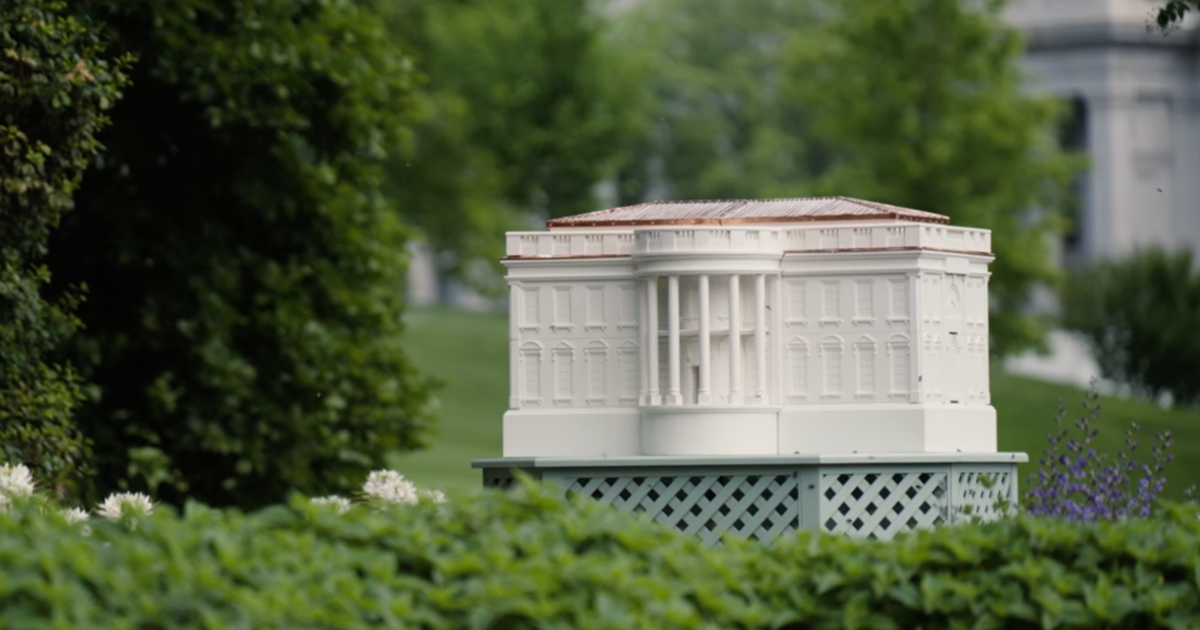
The White House has always been more than just the residence and workplace of the President of the United States—it’s a living symbol of American history and innovation. This week, First Lady Melania Trump unveiled an exciting addition to the South Lawn that perfectly embodies both tradition and environmental stewardship: a brand-new, fully functional beehive crafted in the distinctive shape of the White House itself. This isn’t just any backyard beekeeping project; it’s a thoughtful expansion of an existing program that has been quietly producing liquid gold on the presidential grounds for over a decade. The announcement, made on Friday, represents a continuation and enhancement of the White House’s commitment to sustainability and connection with nature, right in the heart of Washington, D.C. This charming initiative adds two new bee colonies to join the two existing ones already hard at work on the property, effectively doubling the pollinator population at one of the world’s most recognizable addresses.
The Sweet Numbers Behind Presidential Honey Production
When it comes to honey production, the White House is now operating at an impressive scale. The existing colonies have been producing approximately 200 pounds or more of honey during particularly productive years—that’s no small feat for an urban beekeeping operation. With the addition of the two new colonies housed in the architecturally distinctive new hive, production is expected to increase by roughly 30 pounds annually. That means thousands upon thousands of bees will be working tirelessly on the South Lawn, visiting flowers, pollinating plants, and producing honey that serves multiple purposes beyond simply being a sweet treat. During peak summer months, when the bees are at their most active and the colonies are at full strength, the population can swell to around 70,000 bees buzzing around the White House grounds. This substantial community of pollinators represents a meaningful commitment to supporting biodiversity even in an urban setting, and it sends a powerful message about the importance of bees to our ecosystem and food supply.
From Hive to Table: The Journey of White House Honey
The honey produced by these presidential bees isn’t just sitting in storage—it’s actively being put to delicious use. According to the White House, the honey has distinctive flavor characteristics, featuring light clover and basswood notes with subtle citrus undertones. This unique flavor profile makes it a prized ingredient in the Executive Residence kitchen, where talented chefs incorporate it into various culinary creations. From adding natural sweetness to afternoon teas to creating elegant salad dressings and decadent desserts, White House honey has become an integral part of the dining experience for the First Family and their guests. But perhaps even more meaningfully, the honey production serves a charitable purpose as well. Portions of the honey harvest are donated to local food kitchens, extending the benefits of the White House beekeeping program beyond the gates of 1600 Pennsylvania Avenue and into the broader Washington, D.C. community. This generous practice ensures that the fruits of the bees’ labor help feed those in need, making the program not just environmentally conscious but socially responsible as well.
The Artistry Behind the Architectural Hive
The new beehive isn’t just functional—it’s a genuine work of art. The design work came from the creative minds of the White House executive residence staff, who conceptualized a hive that would be both practical for the bees and symbolic of its prestigious location. The actual construction was entrusted to a skilled local Virginia artisan who hand-crafted both the White House-shaped hive and its base. This attention to detail and commitment to craftsmanship reflects the care and thought that goes into every aspect of life at the White House. The hive’s distinctive shape serves as a miniature architectural tribute to the iconic building it calls home, creating a charming visual connection between the structure and its setting. The involvement of a local craftsperson also highlights the importance of supporting regional talent and traditional skills, adding another layer of meaning to this already significant project. The funding for this expansion came through a partnership with the Trust for the National Mall, the nonprofit organization that works alongside the National Park Service to preserve and enhance these important public spaces. This collaboration demonstrates how public-private partnerships can support environmental initiatives even on the most high-profile government property.
A Buzzing History: Beekeeping at the White House
While the official White House beekeeping program was established in 2009 during the Obama administration, the story actually begins a few years earlier with a more modest beginning. The White House’s carpenter had taken up beekeeping as a personal hobby on the grounds before the program received official recognition and support. This grassroots beginning—quite literally growing from one individual’s passion project—makes the program’s evolution all the more remarkable. Over the years, it has transformed from a single employee’s interest into a full-fledged initiative that involves professional management, produces significant quantities of honey, supports charitable causes, and now includes architecturally distinctive hives that celebrate the program’s permanent place in White House operations. The program has survived across different administrations, demonstrating that regardless of political differences, there’s universal appreciation for the importance of pollinators and the simple pleasure of fresh, locally produced honey. This continuity speaks to the non-partisan nature of environmental stewardship and the shared values that can unite people across the political spectrum.
The Broader Significance of Presidential Bees
The expansion of the White House beekeeping program comes at a crucial time when bee populations worldwide are facing significant challenges from habitat loss, pesticide use, climate change, and disease. By maintaining and expanding this high-profile beekeeping operation, the White House is sending a powerful message about the importance of pollinators to our food system and ecosystem health. Bees are responsible for pollinating approximately one-third of the food we eat, making their wellbeing directly connected to human food security. When the First Lady and the White House staff dedicate resources, space, and attention to supporting bee colonies, they’re not just producing honey—they’re demonstrating leadership on an environmental issue that affects everyone. The visibility of this program, especially with the addition of the distinctive White House-shaped hive, helps raise public awareness about beekeeping and may inspire others to support pollinators in their own communities, whether through planting bee-friendly gardens, supporting local beekeepers, or even starting their own hives. As these thousands of new bees settle into their architecturally distinguished home on the South Lawn, they join a tradition of White House animals and agricultural initiatives that connect America’s leaders with the land and natural world, reminding us all that even in the busiest, most important places, there’s room for nature and the simple, essential work of bees making honey.