


Retired Army Colonel Sentenced to Prison for Sharing Military Secrets with Online Acquaintance
A Breach of Trust and National Security
In a case that highlights the ongoing challenges of protecting classified information in the digital age, a decorated military veteran has been sentenced to federal prison for sharing sensitive war plans with someone he met on the internet. Kevin Charles Luke, a 62-year-old retired Army colonel, will spend the next two years behind bars after admitting to illegally transmitting information critical to national defense. The announcement came from federal authorities on Wednesday, following Luke’s guilty plea in October to charges of unlawfully sharing classified materials. What makes this case particularly troubling is that Luke wasn’t some low-level employee who stumbled into a mistake—he was a career military professional with nearly four decades of experience who should have known better. His actions represent a serious breach of the trust placed in him by the United States government and potentially put American lives and operations at risk.
A Distinguished Career Turned Catastrophic Mistake
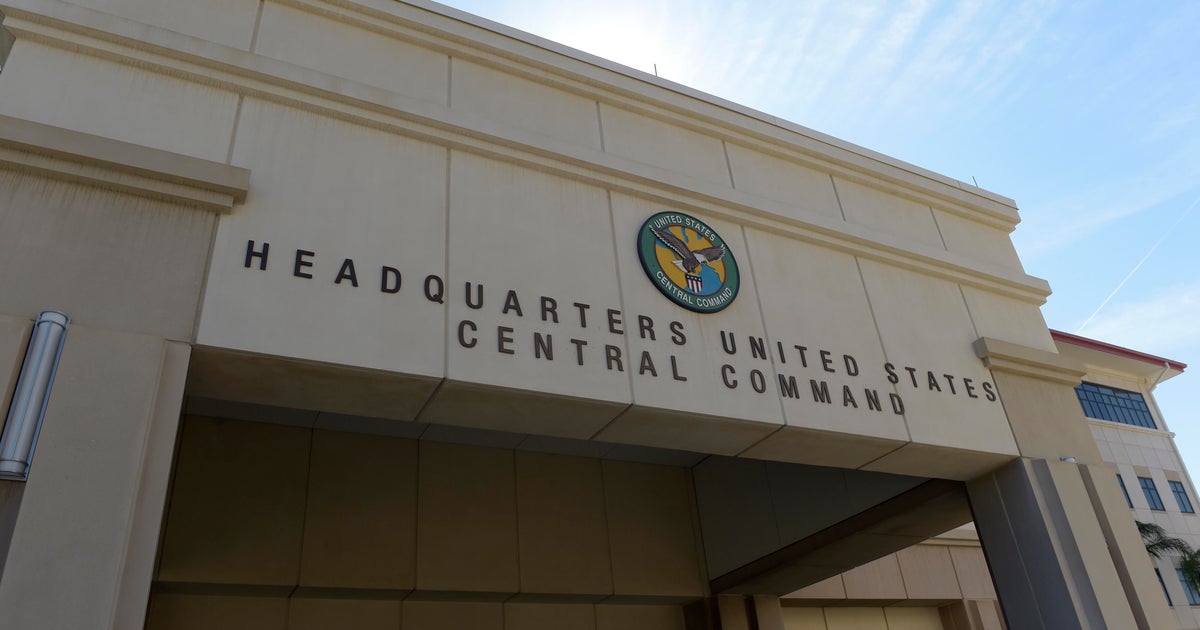
Kevin Charles Luke’s military career spanned an impressive length of time, with nearly forty years of service to his country in both active duty and reserve capacities before his retirement in 2018. According to the United States Attorney’s Office for the Middle District of Florida, which prosecuted this case, Luke had risen through the ranks to achieve the prestigious position of colonel, a senior officer rank that comes with significant responsibility and trust. But his connection to national security matters didn’t end when he hung up his uniform. After leaving active military service, Luke transitioned into a civilian role with the U.S. Central Command, commonly known as CENTCOM, which is a critical branch of the Department of Defense responsible for overseeing American military operations across a vast geographical area covering the Middle East, Central Asia, and parts of South Asia. CENTCOM is headquartered at MacDill Air Force Base in Tampa, Florida, placing Luke at the heart of some of the nation’s most sensitive military planning operations. Throughout his career and continuing into his civilian role, Luke maintained a “top secret” security clearance, one of the highest levels of access to classified information available in the government. This clearance comes with extensive responsibilities and legal obligations to protect the information one is privileged to access.
The Legal Framework He Violated
The seriousness with which the government takes the protection of classified information cannot be overstated, and Luke was repeatedly reminded of his obligations. Court documents revealed that Luke had signed a non-disclosure agreement as recently as February 2019, just months before his breach occurred. This wasn’t some dusty document from decades ago that he might have forgotten about—it was a recent, explicit reminder of his legal duty to safeguard sensitive information. These NDAs are standard practice for anyone with security clearances and serve as both a legal contract and a clear warning about the consequences of unauthorized disclosure. By signing this agreement, Luke acknowledged that he understood what was expected of him and the potential ramifications of violating that trust. The agreement would have outlined in clear terms what constituted classified information, the proper channels for handling such material, and the prohibition against sharing it with unauthorized individuals. There could be no claim of ignorance or confusion about the rules. Luke knew exactly what he was required to do, and more importantly, what he was absolutely forbidden from doing. The fact that he violated this agreement so soon after signing it makes his actions even more difficult to understand or excuse.
The Fateful Text Message That Changed Everything
The incident that led to Luke’s downfall occurred in October 2024, when prosecutors say he used his personal cell phone to send a text message to a woman he had met online. The content of that message would prove to be his undoing. The text was brief and seemingly casual: “sent to my boss earlier, gives you a peek at what I do for a living.” But attached to this seemingly innocent message was something far from casual—a photograph of a computer screen displaying a classified email that Luke himself had written and sent from his government email address. According to authorities, Luke had been communicating with this woman using his personal phone and computer after meeting her through online channels. The photograph he sent revealed highly sensitive details about an upcoming military operation, the kind of information that foreign adversaries would love to get their hands on. The classified email contained specific operational details including the exact number of targets the military intended to strike, the scheduled date for the operation, the overall strategic goal of the mission, and the methods by which it would be carried out. This wasn’t vague information or general commentary about his work—these were concrete, actionable intelligence details that could compromise the mission and endanger the lives of service members carrying it out.
The Potential Damage to National Security
The United States Attorney’s Office didn’t mince words when characterizing the severity of Luke’s actions. In their official statement, they declared that “the unauthorized release of the information contained within the photograph could be expected to cause serious damage to the national security of the United States.” This assessment speaks to the gravity of what Luke did. When military operations are planned, they rely heavily on the element of surprise and operational security. If an adversary knows when and where an operation will take place, how many targets will be hit, and what methods will be used, they can take countermeasures to protect those targets, set traps for American forces, or use the information for propaganda purposes. Beyond the immediate tactical implications, such breaches erode trust within the intelligence and military communities and can make allies hesitant to share information with the United States. The damage assessment likely considered various scenarios: What if the woman Luke sent this to was a foreign agent? What if her phone or computer was compromised? What if she shared the information with others, whether intentionally or accidentally? In the world of classified information, you don’t need to prove that damage actually occurred—the potential for damage is enough to constitute a serious crime.
Justice Served and Lessons for the Future
Luke’s two-year federal prison sentence, handed down by a Florida district court, represents the justice system’s attempt to balance punishment with the particular circumstances of his case. While some might argue the sentence is too lenient given the potential consequences of his actions, others might consider his decades of prior service and the fact that he pleaded guilty rather than forcing a lengthy trial. Regardless of one’s perspective on the adequacy of the sentence, this case serves as a stark reminder of several important lessons. First, security clearances come with serious responsibilities that don’t disappear just because you’re off duty or communicating on personal devices. Second, the internet and online relationships pose particular risks when it comes to classified information—people aren’t always who they claim to be, and even if they are, they may not be trustworthy. Third, the consequences of violating national security laws are real and severe, even for decorated veterans with long careers of dedicated service. Luke’s case demonstrates that no amount of prior service will shield someone from accountability when they betray the trust placed in them. As our military and intelligence operations become increasingly digitized and as more people maintain online relationships with individuals they’ve never met in person, the temptation and opportunity for these kinds of breaches may only increase, making vigilance and adherence to security protocols more important than ever.