


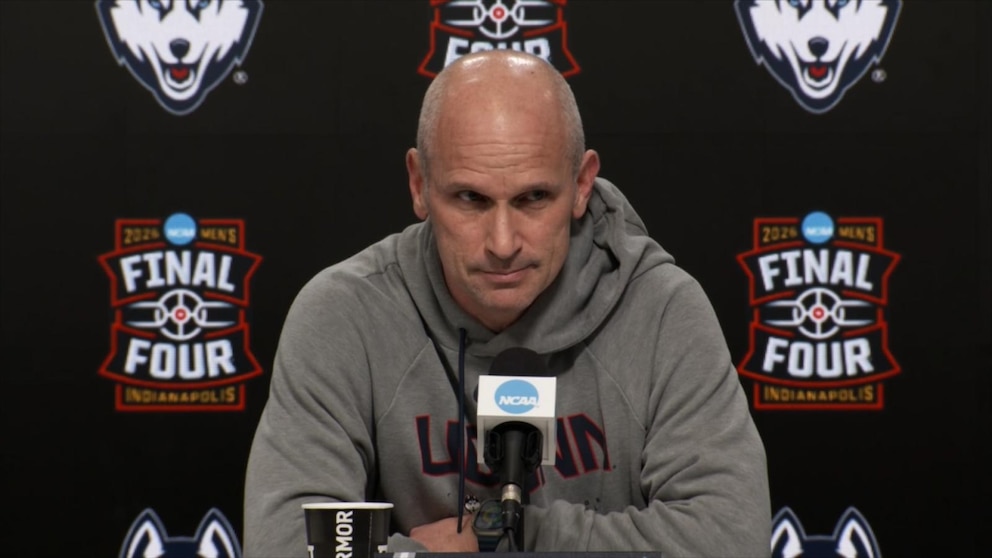

Final Four Coaches Meet Media as Teams Arrive in Indianapolis
The Stage is Set for College Basketball’s Biggest Weekend
As the excitement builds for one of the most anticipated sporting events of the year, the Final Four coaches arrived in Indianapolis to face the media and discuss their journeys to college basketball’s grandest stage. The atmosphere in the city is electric, with fans pouring in from across the country, team banners adorning downtown streets, and the buzz of anticipation filling the air. For these four programs, the long and grueling season has come down to this moment – two games separating them from immortality and a national championship. The coaches, representing different backgrounds, coaching philosophies, and program traditions, gathered to share their thoughts on reaching this pinnacle moment. Each arrived with their own unique story, their own path to Indianapolis, and their own vision of how to cut down the nets on Monday night. The media sessions provided a window into the minds of these basketball masterminds, revealing not just their game plans but their personalities, values, and what this opportunity means to them, their players, and their universities.
Veteran Wisdom Meets Fresh Energy
The coaching matchups at this year’s Final Four represent a fascinating blend of experienced championship veterans and hungry coaches looking to claim their first title. The contrast in coaching tenure and Final Four experience adds an intriguing subplot to the games themselves. Some coaches at the podium have been here multiple times before, speaking with the calm confidence that comes from understanding what this week entails – the media obligations, the distractions, the pressure, and ultimately how to prepare a team to perform when the lights are brightest. Their answers were measured, thoughtful, and reflected years of wisdom accumulated through both victories and heartbreaking defeats. Meanwhile, other coaches were experiencing their first Final Four, and their enthusiasm was palpable and infectious. These coaches spoke with a mixture of humility and confidence, acknowledging the magnitude of the moment while expressing belief in their teams and systems. Regardless of their experience level, all four coaches emphasized similar themes: the importance of staying focused on the task at hand, trusting the preparation that got them here, and allowing their players to enjoy the experience without being overwhelmed by it. They spoke about the responsibility of coaching at this level, the privilege of working with talented young men, and the pride they feel in representing their universities on this national stage.
The Journey to Indianapolis: Four Unique Paths
Each team’s path to the Final Four was unique, filled with its own challenges, breakthrough moments, and defining victories. The coaches reflected on these journeys with a mixture of pride and perspective, understanding that while getting here is an accomplishment, the ultimate goal still lies ahead. One coach discussed how his team had overcome early-season struggles and injuries, finding their identity in January and February before peaking at exactly the right time in March. Another spoke about the pressure of high expectations all season long, with his program entering the year as a championship favorite and having to deal with the target on their back every night. A third coach shared the underdog story of his program, exceeding preseason predictions and shocking experts with upset victories throughout the tournament. The fourth reflected on the growth of his young roster, players who had developed throughout the season into a cohesive unit capable of competing with anyone. These diverse narratives make the Final Four compelling – it’s not just about the best teams, but about the stories, the adversity overcome, and the dreams being chased. The coaches made it clear that while the paths differed, all four teams earned their place in Indianapolis through talent, hard work, resilience, and a bit of the magic that makes March Madness so special.
Player Development and Team Chemistry Take Center Stage
A recurring theme throughout the media sessions was the coaches’ emphasis on player development and team chemistry as the foundation of their success. Rather than focusing solely on X’s and O’s or individual talent, these coaches spoke passionately about the relationships built within their programs and the growth they’ve witnessed in their players throughout the season. They discussed how trust had been established in locker rooms, how senior leadership had emerged at critical moments, and how younger players had embraced their roles for the good of the team. Several coaches became emotional when discussing specific players, sharing anecdotes about their work ethic, character, and the transformations they’d witnessed both on and off the court. These weren’t just basketball players to these coaches – they were young men they’d invested in, mentored, and developed. The coaches spoke about the sacrifices their players had made, the countless hours in the gym, the film sessions, the weight room work, and the mental toughness required to reach this level. They emphasized that talent alone doesn’t get you to the Final Four; it requires players who are willing to put the team first, accept coaching, and commit to a common goal. The chemistry these teams have developed became evident in how the coaches described their locker rooms – spaces filled with genuine friendship, accountability, and shared purpose. This human element reminds us that college basketball, at its best, is about more than wins and losses; it’s about the relationships formed and the life lessons learned.
Game Preparation and Strategic Considerations
While the coaches were careful not to reveal too much about their specific game plans, they did offer insights into their preparation approaches and what they expect from their upcoming matchups. The strategic chess match that occurs at the Final Four level is fascinating, with coaches studying opponents in minute detail while also trying to ensure their own teams execute their strengths. Several coaches mentioned the limited preparation time as a challenge, noting that unlike during the regular season, they have just a few days to prepare for opponents they may not have faced all year. This requires trusting their systems, focusing on what their teams do best, and making selective adjustments rather than overhauling approaches. Discussions touched on various strategic elements: how to handle opponent pressure defenses, whether to push pace or control tempo, three-point shooting strategies, and the critical importance of rebounding and transition defense. The coaches also addressed the mental and emotional aspects of preparation, emphasizing the importance of keeping their teams loose and confident rather than tight and overthinking. They spoke about practice structures for the week, balancing physical preparation with mental freshness, and ensuring players are sharp but not exhausted. Several coaches mentioned the importance of routine and normalcy, trying to make this week feel like any other despite the extraordinary circumstances. The strategic minds on display reminded everyone watching that while talent wins games, coaching and preparation often decide championships.
Embracing the Moment While Maintaining Focus
Perhaps the most delicate balance these coaches must strike is allowing their teams to embrace and enjoy this once-in-a-lifetime experience while maintaining the focus necessary to win. Throughout the media sessions, coaches addressed this challenge directly, sharing their philosophies on how to navigate the distractions and pressures of Final Four week. They spoke about encouraging players to soak in the atmosphere, enjoy the moments with teammates, and appreciate the journey, while also emphasizing that the job isn’t finished. Several coaches mentioned specific strategies they employ to maintain this balance: scheduled times for team bonding and enjoyment, followed by focused practice and preparation sessions. They discussed being mindful of media obligations and fan interactions without letting these distractions compromise preparation. The coaches also addressed the pressure their players feel, not just from external expectations but from their own desires to win and not disappoint their teammates, coaches, or fan bases. Managing these emotions requires experienced leadership, and the coaches spoke about their roles in keeping perspective and helping players channel nervous energy into focused performance. They emphasized that the teams that typically succeed at the Final Four are those that can stay present, execute fundamentals, and not let the moment become bigger than the game itself. As one coach eloquently stated, “We’ve prepared all season for this opportunity. Now it’s about trusting that preparation, believing in each other, and leaving everything on the court without regret.” With the teams now in Indianapolis, practices underway, and game day approaching, the Final Four is ready to deliver the drama, excitement, and unforgettable moments that make it one of sports’ premier events.