

Deadly Explosion at Chinese Fireworks Factory Claims 26 Lives
Tragedy Strikes Historic Fireworks Manufacturing Hub
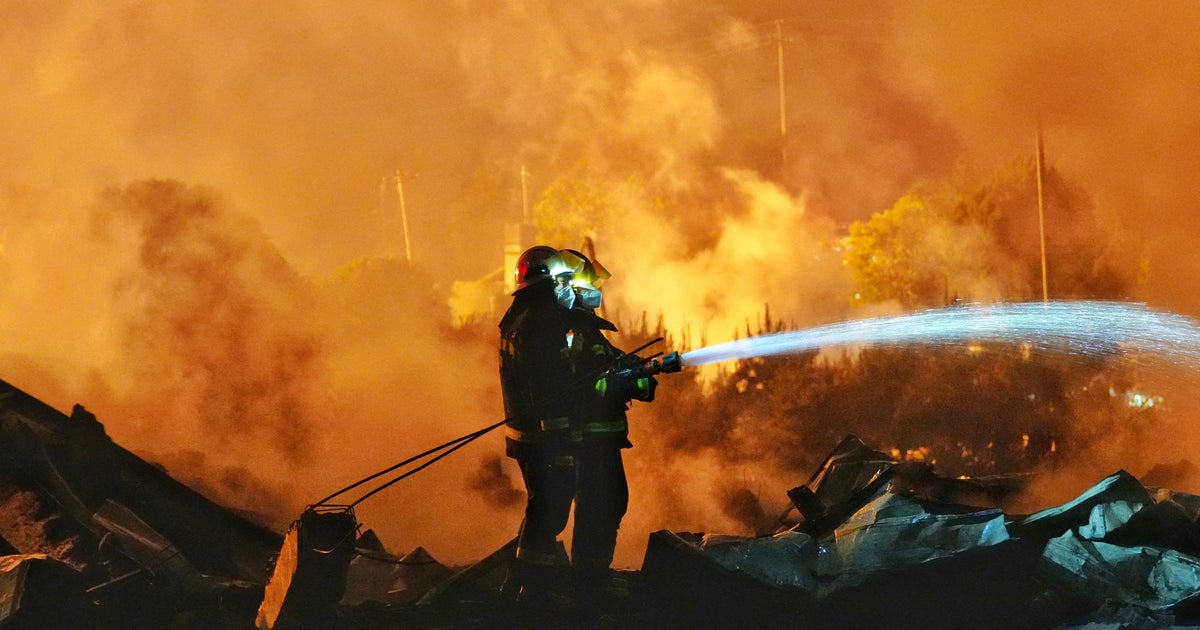
A devastating explosion ripped through a fireworks manufacturing plant in central China on Monday afternoon, leaving at least 26 people dead and 61 others injured in what has become one of the deadliest industrial accidents in recent months. The blast occurred at a facility operated by the Huasheng Fireworks Manufacturing and Display Co., located in Liuyang, a county-level city under Changsha’s administration in Hunan province. Liuyang isn’t just any manufacturing town—it’s widely recognized as one of China’s most prominent fireworks production centers, with a history stretching back over a thousand years. The explosion sent shockwaves through the community and raised fresh concerns about industrial safety standards in China’s manufacturing sector. Aerial footage captured by state broadcaster CCTV the day after the incident showed white smoke continuing to billow from various sections of the plant, with buildings either completely collapsed or severely damaged. The scene painted a grim picture of the force unleashed by the explosion, transforming what should have been an ordinary workday into a nightmare for workers and their families.
Massive Rescue Operation Mobilized
In response to the catastrophe, Chinese authorities mobilized nearly 500 rescue workers to comb through the devastation and search for survivors. Mayor Chen Bozhang of Changsha reported that while search and rescue operations at the scene had largely been completed, the painstaking work of verifying casualty numbers and identifying victims was still ongoing—a process that can take days or even weeks as officials work to ensure every person is accounted for and families receive closure. The rescue operation wasn’t without its own dangers. Authorities ordered the evacuation of residents from nearby danger zones, citing serious concerns about two black powder warehouses located uncomfortably close to the explosion site. Black powder, a fundamental component in fireworks manufacturing, is highly volatile and posed a significant secondary explosion risk. To minimize these dangers during the rescue operation, teams employed specialized measures including continuous spraying and humidification techniques designed to eliminate potential ignition sources. The rescuers also brought in three robots to assist with the search and rescue efforts, using technology to access areas too dangerous for human entry. These precautions highlight the delicate balance rescue workers faced—urgently searching for survivors while preventing another potentially catastrophic explosion that could claim even more lives.
Investigation Underway as Company Head Detained
As families mourned and rescue workers continued their grim task, Chinese authorities moved swiftly to launch an investigation into what caused the deadly blast. Police detained the person in charge of the Huasheng Fireworks Manufacturing and Display Co., a standard procedure in Chinese industrial accidents as investigators work to determine whether negligence, safety violations, or other factors contributed to the tragedy. Chinese President Xi Jinping personally weighed in on the disaster, urging “all-out efforts” to locate anyone still unaccounted for and to provide medical care for the injured. He called on authorities to investigate the cause quickly and thoroughly, and to pursue “serious accountability”—language that suggests those found responsible could face severe penalties, potentially including lengthy prison sentences. Xi also used the incident as an opportunity to emphasize broader safety concerns, ordering more effective risk screening and hazard control across key industries and calling for strengthened public safety management nationwide. His response reflects growing pressure on China’s leadership to address recurring industrial safety issues that have claimed hundreds of lives in recent years. Industrial accidents remain a persistent problem in China, where rapid economic development has sometimes outpaced the implementation and enforcement of safety regulations, and where the pressure to meet production quotas can lead to dangerous shortcuts.
Liuyang’s Ancient Fireworks Legacy
The tragedy carries particular poignancy given Liuyang’s extraordinary history as the birthplace of fireworks as we know them today. According to the Guinness World Records organization, the first accurately documented firework—the Chinese firecracker—traces back to this very region during China’s Tang dynasty, which ruled from around 618 to 907 C.E. The innovation is credited to Li Tian, a monk who lived near Liuyang and made a discovery that would echo through the centuries. Li found that placing gunpowder inside hollow bamboo stems created loud, explosive sounds. He experimented further, binding multiple crackers together to create the traditional firecrackers that became central to Chinese New Year celebrations, believed to drive away evil spirits and welcome good fortune. What began as a spiritual practice evolved into an industry that has made Liuyang internationally famous. The city’s fireworks manufacturing expertise has been passed down through countless generations, creating a local economy deeply intertwined with this colorful, celebratory product. Today, walking through Liuyang, you’ll find families whose connection to fireworks production spans multiple generations, with skills and techniques handed down from grandparents to grandchildren. This deep cultural connection makes Monday’s explosion not just an industrial accident but a tragedy that strikes at the heart of the community’s identity and heritage.
China’s Dominance in Global Fireworks Market
The incident highlights the risks inherent in an industry where China maintains overwhelming global dominance. According to data from the Observatory of Economic Complexity, China exported $1.14 billion worth of fireworks last year alone—a staggering figure that represents more than two-thirds of all fireworks sold worldwide, as reported by Reuters. This dominance means that Chinese fireworks light up celebrations from American Fourth of July festivities to Diwali celebrations in India, New Year’s Eve displays in Sydney, and countless other events around the globe. However, this massive production capacity comes with corresponding risks. The concentration of manufacturing in areas like Liuyang, where numerous plants operate in relatively close proximity, creates potential for catastrophic accidents. The industry’s seasonal nature, with production ramping up dramatically before major celebrations like Chinese New Year, can place additional pressure on workers and facilities. Just this past February, China reported two deadly explosions at fireworks shops during the Lunar New Year period, underscoring the recurring nature of these safety challenges. The economic importance of the fireworks industry to communities like Liuyang creates complex dynamics—local governments benefit from the employment and revenue these plants generate, but may face pressure to balance economic concerns against rigorous safety enforcement.
Safety Challenges and the Path Forward
Monday’s explosion forces renewed attention on industrial safety practices in China’s manufacturing sector, particularly in high-risk industries like fireworks production. The challenges are multifaceted: aging facilities that may lack modern safety features, intense competitive pressure that can lead to cost-cutting on safety measures, insufficient training for workers handling dangerous materials, and sometimes inadequate enforcement of existing regulations. President Xi’s call for strengthened safety management and better hazard control suggests recognition at the highest levels that current measures aren’t sufficient. However, translating high-level directives into meaningful change on factory floors across China remains an ongoing challenge. For the people of Liuyang, this tragedy is deeply personal—these weren’t just workers, but neighbors, friends, and family members whose lives were cut short while making products designed to bring joy to celebrations worldwide. As investigations continue and families bury their loved ones, questions will persist about what could have been done differently and whether this latest disaster will finally prompt the systemic changes needed to prevent future tragedies. The global community, which depends so heavily on Chinese fireworks manufacturing, also bears some responsibility to ensure that the products lighting up our celebrations aren’t produced at the cost of human lives. The coming weeks will reveal whether this explosion becomes a catalyst for meaningful reform or simply another statistic in China’s ongoing struggle with industrial safety.