



Tragedy at Sea: Hantavirus Outbreak on Cruise Ship Claims Lives in Atlantic Ocean
A Rare and Deadly Outbreak Strikes International Cruise
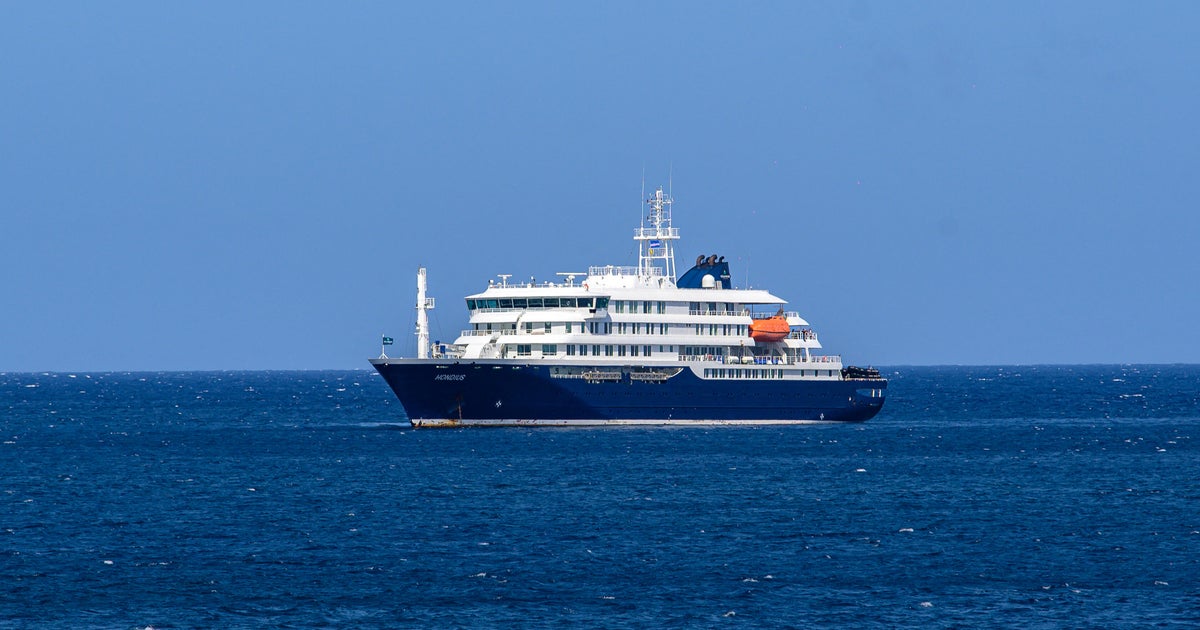
The world’s attention has turned to a cruise ship stranded off the coast of West Africa, where a suspected outbreak of hantavirus has resulted in a heartbreaking loss of life and left several passengers fighting for their health. The MV Hondius, a Dutch-flagged vessel specializing in polar expeditions, has become the center of an international health crisis that has killed three people, including an elderly couple who had been enjoying what should have been an adventure of a lifetime. Among the deceased was a 70-year-old man who died aboard the ship, and tragically, his wife collapsed and later died at a South African airport while attempting to fly home to the Netherlands. A third victim remains on the vessel off Cape Verde, while at least three other individuals have fallen ill with symptoms consistent with the rare viral infection. The World Health Organization and South Africa’s Department of Health confirmed the outbreak on Sunday, launching a comprehensive investigation into how this dangerous pathogen found its way onto the cruise ship and spread among passengers and crew.
The situation has created a complex international response, with the ship currently anchored off Cape Verde, an island nation situated off Africa’s western coast. Local authorities have visited the vessel to assess the medical condition of those still aboard but have not yet permitted anyone to disembark, creating a tense waiting game for the approximately 150 tourists and 70 crew members who find themselves in quarantine at sea. The Dutch foreign ministry has been working to coordinate possible medical evacuations, though the logistics remain challenging. Meanwhile, one patient has already been transferred to intensive care at a hospital in Johannesburg, South Africa, identified as a British national who fell ill near Ascension Island in the remote stretches of the Atlantic Ocean. The cruise operator, Oceanwide Expeditions, has stated that their immediate priority is ensuring the two crew members currently showing symptoms receive proper medical attention, though Cape Verde health authorities have yet to make a final decision about transferring these individuals to local medical facilities.
Understanding the Silent Threat: What Is Hantavirus?
For many people, hantavirus remains an unfamiliar threat, a family of viruses that lurks in the shadows of public health awareness despite being found throughout the world. These dangerous pathogens are primarily spread through contact with the urine or feces of infected rodents such as rats and mice, making them particularly insidious because the transmission often occurs in ways people might not immediately recognize as dangerous. The virus gained renewed public attention recently when Betsy Arakawa, wife of late actor Gene Hackman, died from a hantavirus infection in New Mexico, bringing the reality of this rare but deadly disease into the public consciousness. According to the U.S. Centers for Disease Control and Prevention, hantaviruses cause two particularly serious medical conditions: hantavirus pulmonary syndrome, which severely affects the lungs and can make breathing increasingly difficult, and hemorrhagic fever with renal syndrome, which targets the kidneys and can lead to organ failure. While the infections are relatively rare, the World Health Organization has confirmed that in certain circumstances, hantaviruses can actually spread from person to person, making an outbreak on a confined space like a cruise ship particularly concerning for health authorities.
What makes hantavirus especially frightening for both patients and medical professionals is the lack of specific treatments or cures available. When someone contracts the virus, doctors can only provide supportive care, managing symptoms and trying to keep the patient stable while their immune system fights the infection. However, early recognition and immediate medical attention can significantly improve a person’s chances of survival, which is why the rapid response to this cruise ship outbreak has been so critical. Health officials are now working to understand exactly how the virus got onto the MV Hondius and began spreading among passengers and crew. The investigation includes detailed laboratory testing to sequence the virus itself, which will help scientists understand its specific strain and potentially trace its origins. Epidemiological investigations are simultaneously tracking who had contact with whom, when symptoms appeared, and how the virus might have moved through the ship’s population during the three-week voyage that had departed from Argentina and included stops at Antarctica, the Falkland Islands, and other remote locations.
The Human Tragedy Behind the Headlines
Behind the clinical language of outbreak investigations and viral sequencing lies profound human tragedy that has shattered families and cut short lives that were meant to be filled with adventure and discovery. The elderly couple from the Netherlands had embarked on what many would consider a once-in-a-lifetime journey, traveling to some of the most remote and beautiful places on Earth. Instead of returning home with photographs and memories of Antarctic ice fields and exotic wildlife, their voyage ended in unimaginable heartbreak. The husband became the outbreak’s first victim, passing away aboard the ship itself, his body eventually removed during a stop at Saint Helena, a tiny British territory lost in the vastness of the South Atlantic Ocean. His wife, already dealing with the shock and grief of losing her life partner, then faced the additional trauma of trying to make her way home alone. She collapsed at the airport in South Africa, where she had been attempting to catch a flight back to the Netherlands, and despite medical efforts, she died at a nearby hospital, never making it home to the country where she and her husband had built their life together.
The third confirmed victim remains aboard the MV Hondius off Cape Verde, a grim reminder that the crisis is far from over for those still on the ship. For the passengers and crew who remain healthy, the psychological toll must be enormous—confined to the vessel, unable to disembark, watching as fellow travelers fall ill and knowing that an invisible viral threat might still be circulating among them. The crew members who are currently sick and awaiting potential evacuation face their own agonizing uncertainty, ill in a foreign location, dependent on international coordination between multiple governments and health agencies to receive the specialized care they need. Families around the world are undoubtedly glued to their phones and computers, desperately seeking updates about loved ones aboard the ship, experiencing the helpless anxiety of being unable to reach them or bring them home to safety.
International Response and Public Health Measures
The response to this outbreak has required unprecedented coordination among multiple nations and international health organizations, demonstrating both the complexity of modern global health security and the commitment of authorities to contain potential threats. The World Health Organization has taken a leading role, with Dr. Hans Henri P. Kluge, the WHO’s regional director for Europe, issuing a statement aimed at preventing panic while acknowledging the seriousness of the situation. “The risk to the wider public remains low,” he assured the public, according to Reuters news agency. “There is no need for panic or travel restrictions.” This measured response reflects the delicate balance health officials must strike between taking the outbreak seriously enough to mount an effective response while avoiding the kind of fear-mongering that could lead to unnecessary economic disruption or discrimination against those involved. The WHO is actively supporting what it describes as a “public health event,” working directly with the ship’s operators and national authorities in multiple countries to conduct a comprehensive risk assessment and provide ongoing support for everyone still aboard the vessel.
South Africa’s National Institute for Communicable Diseases has launched an extensive contact tracing operation in the Johannesburg region, meticulously identifying everyone who might have been exposed to the infected passengers who passed through South African facilities or airports. This painstaking detective work is essential for preventing any secondary spread of the virus beyond the ship itself. The investigation involves interviewing hundreds of people, reviewing security footage, checking flight manifests, and creating detailed timelines of where infected individuals went and whom they contacted. Meanwhile, Cape Verde’s health authorities face their own complex decisions about how to handle the ship sitting off their coast—balancing humanitarian concerns for the sick individuals who need care against legitimate worries about potentially introducing a dangerous pathogen into their local population. The Dutch government, representing the ship’s flag state and the nationality of several victims and passengers, has committed to coordinating any medical evacuations that might be approved, though the spokesperson acknowledged they are still “looking at the possibilities,” suggesting that significant logistical and political hurdles remain.
Lessons for the Future of Travel and Disease Prevention
This tragic outbreak raises important questions about disease prevention protocols in the cruise industry and the unique vulnerabilities created when people from around the world gather in confined spaces for extended periods. Cruise ships have long been recognized as environments where infectious diseases can spread rapidly—from norovirus outbreaks that cause gastrointestinal illness to respiratory infections that move quickly through populations sharing dining rooms, entertainment venues, and ventilation systems. The COVID-19 pandemic already forced the cruise industry to dramatically revamp its health and safety protocols, but a hantavirus outbreak presents different challenges because the source of infection is likely rodents rather than human-to-human transmission as the primary route. This means that even the most sophisticated passenger screening might not prevent an outbreak if infected rodents or their waste products are present in cargo areas, storage facilities, or other parts of the ship that passengers never see. The investigation will likely examine whether rodents were spotted aboard the MV Hondius, how food and supplies are stored and protected from potential contamination, and what pest control measures were in place.
For travelers, this incident serves as a sobering reminder that adventure travel to remote locations, while extraordinarily rewarding, carries inherent risks that more conventional vacations might not. Ships that specialize in polar expeditions, like the Hondius, often visit places with limited medical infrastructure and that are days away from advanced hospital care. When someone falls seriously ill in Antarctica or the middle of the Atlantic Ocean, the options for rapid medical intervention are severely limited compared to someone who becomes sick at a resort near a major city with a modern hospital. This doesn’t mean people should stop exploring these remarkable places—the personal growth and wonder that comes from witnessing Antarctica’s pristine wilderness or standing on remote Atlantic islands is genuinely life-changing for many travelers. However, it does mean that anyone considering such trips should carefully assess their health status, ensure they have comprehensive travel insurance that includes emergency evacuation coverage, and understand that they are accepting a degree of risk that comes with being far from conventional support systems. Travel companies, for their part, will likely face increased scrutiny of their health protocols and may need to implement even more rigorous pest control and environmental monitoring to prevent future outbreaks of diseases that can jump from animals to humans.