


Spanish Authorities Make Historic Cocaine Bust in Atlantic Waters
Record-Breaking Drug Seizure Off Canary Islands
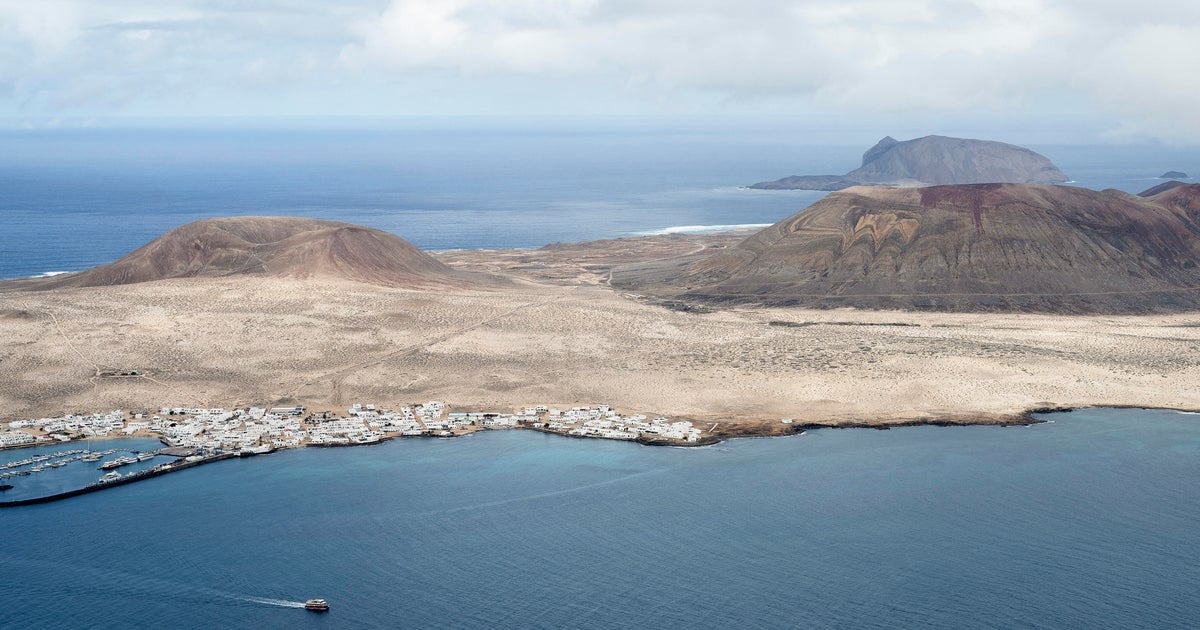
In what officials are calling a potentially historic drug bust, Spanish law enforcement has intercepted a cargo vessel in the Atlantic Ocean carrying an estimated 35 to 40 tons of cocaine. The massive seizure, which took place in international waters near Spain’s Canary Islands last Friday, represents what could be the largest single drug haul in the nation’s history. The Spanish Civil Guard executed the operation with precision, boarding the suspicious vessel and discovering its cargo hold completely packed with bales of cocaine. Sources from the force’s main union, AUGC, confirmed that approximately 20 individuals were arrested in connection with the smuggling operation. The sheer volume of narcotics discovered has shocked even experienced law enforcement officials, with the ship’s hold described as being “completely stuffed” with the illegal substance. This unprecedented find highlights the ongoing challenges authorities face in combating international drug trafficking networks that continue to use maritime routes to transport massive quantities of narcotics across oceans.
The Vessel’s Suspicious Journey and True Intentions
The intercepted ship had officially set sail from Freetown, the capital of Sierra Leone in West Africa, with its stated destination being Benghazi in Libya. However, investigators quickly determined that this route didn’t align with the vessel’s likely true purpose. According to AUGC sources familiar with such operations, the pattern strongly suggests the ship was actually intended to serve as a floating distribution center rather than deliver its cargo directly to Libya. The plan most likely involved meeting with smaller, faster vessels in predetermined locations at sea, where portions of the massive cocaine shipment would be transferred for distribution to various European destinations. Law enforcement experts pointed out that attempting to unload 35 to 40 tons of cocaine at a single Libyan port “doesn’t make much sense” from a logistical or security standpoint. Such a massive operation would require numerous vessels and multiple ports to avoid drawing attention, as concentrating that volume in one location would inevitably arouse suspicion. This sophisticated approach to drug distribution demonstrates the complex, well-organized nature of international narcotics trafficking networks that coordinate operations across multiple continents.
Spain’s Strategic Position in the Drug Trade
Spain’s geographical location and historical connections make it a critical entry point for illegal drugs flowing into Europe. The country’s close cultural and economic ties with Latin American nations—where much of the world’s cocaine is produced—combined with its proximity to Morocco, one of the world’s leading cannabis producers, create a perfect storm of vulnerability to drug trafficking operations. Spanish coastlines, particularly around the Canary Islands, have become hotspots for smuggling activities, with criminal organizations exploiting the vast expanses of ocean and busy shipping lanes to move their illicit cargo. Interior Minister Fernando Grande-Marlaska acknowledged the significance of this latest seizure when he told reporters in Madrid that it “was one of the biggest, not only nationally but internationally.” However, due to a court-imposed legal secrecy order surrounding the ongoing investigation, officials have been limited in the details they can share publicly. The Civil Guard has declined to confirm specific operational details, a standard procedure when investigations are still active and authorities are working to identify and apprehend other members of the trafficking network who may still be at large.
A Pattern of Major Cocaine Seizures
This latest bust continues a troubling trend of massive cocaine shipments being intercepted in Spanish waters, demonstrating both the scale of the drug trade and the persistence of law enforcement efforts to combat it. Just this past January, Spanish police made their then-largest seizure of cocaine at sea from a ship carrying almost 10 tons of the drug. Before that, in October of the previous year, authorities seized 6.5 tons of cocaine and arrested nine people following a tip-off from American law enforcement agencies, which led them to raid a ship off the Canary Islands. These operations reveal the importance of international cooperation in fighting drug trafficking, as criminal networks operate across borders and oceans, requiring coordinated responses from multiple nations’ law enforcement agencies. The frequency and size of these seizures also indicate that for every successful interception, other shipments likely make it through undetected, suggesting the true scale of the cocaine trade is even larger than these impressive busts might indicate.
Innovative Smuggling Tactics and Law Enforcement Response
Criminal organizations continue to develop increasingly sophisticated methods to transport their illegal products, forcing law enforcement to constantly adapt their strategies. In June 2025, Spanish police dismantled a drug trafficking ring that employed what authorities described as high-speed “narco boats” to smuggle large quantities of cocaine from South American countries like Brazil and Colombia to the Canary Islands. What made this operation particularly ingenious was the traffickers’ use of an abandoned shipwreck as a refueling platform for their speedboats, allowing them to make the long ocean journey without needing to return to shore for fuel. This level of planning and resource investment demonstrates that drug trafficking organizations operate with business-like efficiency and considerable financial resources. Meanwhile, Spain’s previous record for cocaine seizure was set in 2024, when police impounded 13 tons of the drug from a container ship that had arrived at the southern port of Algeciras from Ecuador. Each of these operations provides valuable intelligence about trafficking routes, methods, and networks, helping authorities anticipate and prevent future smuggling attempts.
The Broader Impact and Ongoing Battle
The implications of this 35-40 ton cocaine seizure extend far beyond the immediate arrests and confiscation of drugs. With such an enormous quantity of cocaine removed from circulation, authorities have potentially prevented countless cases of addiction, overdose deaths, and the social harm associated with drug abuse across Europe. The street value of such a haul would run into billions of dollars, representing a significant financial blow to the criminal organizations involved. However, the reality remains sobering: drug trafficking networks are resilient, well-funded, and constantly evolving their tactics to avoid detection. The fact that traffickers were willing to risk moving such a massive shipment indicates both the enormous profits involved and their confidence in their smuggling methods. As law enforcement agencies celebrate this major victory, they also recognize it as one battle in a much larger, ongoing war against international drug trafficking. The investigation remains active under legal secrecy, suggesting authorities are working to trace the network behind this shipment, identify its intended recipients, and potentially prevent future operations. This seizure serves as a reminder of the critical importance of maritime surveillance, international cooperation among law enforcement agencies, and the need for continued investment in the resources and technology necessary to combat sophisticated criminal organizations that threaten public health and safety across continents.