

Tragedy Strikes During Military Training: The Heroic Attempt to Save a Fallen Comrade
A Sunset Hike Turns Into a Rescue Mission
What began as a peaceful evening activity during a routine military training exercise in Morocco has turned into a desperate search and rescue operation that has captured international attention. Two American soldiers remain missing after a tragic incident along Morocco’s southern coast, where a simple hike to watch the sunset transformed into a harrowing struggle against the ocean’s unforgiving power. The soldiers, who were participating in the annual African Lion military exercise, found themselves in a life-threatening situation near the Cap Draa Training Area when one member of their group fell into the water from ocean cliffs. According to defense officials who spoke with CBS News on Monday, what followed was a series of brave but ultimately unsuccessful rescue attempts that left two service members missing and their fellow soldiers helpless to save them.
The incident, while occurring during the African Lion exercise, is not believed to be directly related to the training activities themselves. Rather, it appears to have been a recreational outing that went tragically wrong. The preliminary reports paint a picture of service members enjoying what should have been a memorable moment—watching the sun set over the Moroccan coastline—only to have their evening transformed into every soldier’s nightmare. The location near ocean cliffs, while presumably offering spectacular views, also presented hidden dangers that became all too apparent as events unfolded. As search and rescue efforts continue into their third day, the military community and families back home anxiously await news of the two missing soldiers.
The Chain of Events: When Brotherhood Meets Danger
The sequence of events that led to this tragedy demonstrates both the deep bonds between service members and the split-second decisions that can mean the difference between life and death. According to the preliminary report shared with CBS News, the group of soldiers was hiking along the cliffs when one member accidentally fell into the water below. The immediate response from their fellow service members showed the kind of quick thinking and solidarity that military training instills: they attempted to form a human chain using their belts, reaching down toward the water in hopes of pulling their comrade to safety. Unfortunately, this creative rescue attempt proved unsuccessful, as the soldier in the water remained beyond their reach.
What happened next exemplifies the selfless courage that defines military service. Knowing that the fallen soldier could not swim, another service member made the split-second decision to jump into the water to attempt a rescue. This act of bravery, however, was immediately met with the ocean’s raw power. According to officials, the would-be rescuer was struck by a wave immediately upon entering the water, demonstrating how quickly conditions can deteriorate in such situations. Now both soldiers were struggling against the waves, unable to make their way back to shore. The situation had escalated from one person in danger to two, and the group watching from above faced an agonizing dilemma.
A third soldier, witnessing the desperate situation unfolding below, made the decision to jump in as well, hoping to save both struggling service members. This third individual managed to survive the ordeal and make it back to shore safely, though they were unable to rescue the other two. Defense officials confirmed these details while emphasizing that multiple factors, including the power of the waves and the challenging coastal conditions, made rescue attempts extraordinarily difficult. The fact that one person made it back demonstrates that survival was possible, but also highlights how unpredictable and dangerous the ocean can be, even for trained military personnel.
Massive Search and Rescue Operation Underway
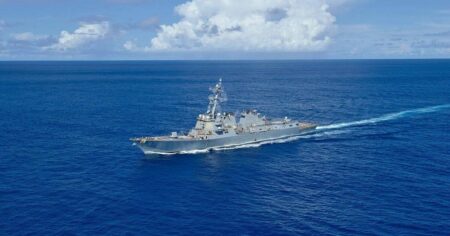
Since the incident occurred over the weekend, a comprehensive search and rescue operation has been mobilized along Morocco’s southern coast. The scale of the effort reflects both the international nature of the African Lion exercise and the commitment to leaving no service member behind. Multiple aircraft have been deployed to scan the coastline and surrounding waters from above, providing aerial surveillance that can cover vast areas quickly. Drones equipped with cameras have been utilized to search hard-to-reach areas and provide real-time imagery to rescue coordinators. Below the surface, military divers have been conducting underwater searches, while various vessels patrol the waters, all working in coordination to maximize the chances of finding the missing soldiers.
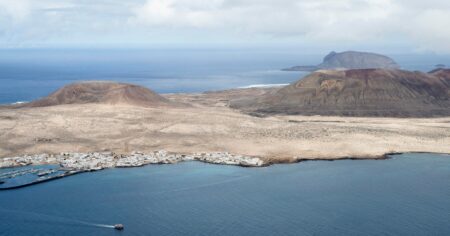
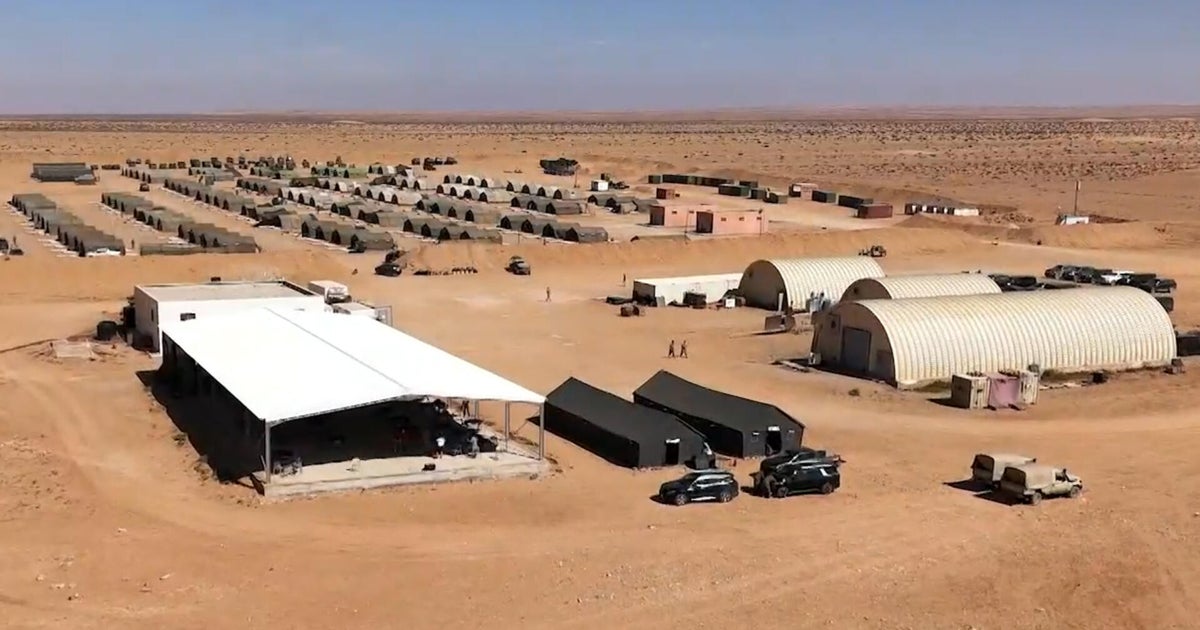
As of Monday, three full days after the incident, the search continues despite the challenges posed by time, weather conditions, and the vastness of the search area. The Cap Draa Training Area, where the incident occurred, is located along Morocco’s southern Atlantic coast, a region known for its rugged beauty but also for its powerful ocean currents and challenging maritime conditions. Rescue teams are working against the clock, knowing that each passing hour reduces the likelihood of a successful outcome, yet refusing to give up hope. The involvement of multiple nations’ resources in the search effort demonstrates the international cooperation fostered by exercises like African Lion and the universal military principle that no one gets left behind.
Understanding African Lion: Context for the Tragedy
To fully grasp the circumstances surrounding this incident, it’s important to understand the African Lion exercise itself. African Lion stands as the largest annual joint military exercise led by AFRICOM, which is one of eleven unified combatant commands under the U.S. Department of Defense. This massive training operation brings together thousands of troops from multiple continents, including service members from the United States, various African partner nations, and NATO allies. The exercise is designed to prepare forces for the complexities of modern warfare, which extends far beyond traditional battlefield scenarios.
The comprehensive nature of African Lion means that participating troops train across multiple domains: land operations, air support and combat, maritime activities, cyber warfare capabilities, and even space-based assets. This multi-domain approach reflects the reality of 21st-century military operations, where success depends on seamlessly integrating capabilities across all these areas. For this year’s exercise, more than 7,000 service members from over 30 countries were stationed at bases throughout the region, working together to build interoperability, strengthen partnerships, and enhance readiness. These exercises serve not only military purposes but also diplomatic ones, fostering relationships between nations and building trust among forces that might need to work together in future real-world scenarios.
The two missing soldiers were among these thousands of participants, representing their country in an exercise designed to make all participating forces more capable and better prepared for potential challenges. The irony that tragedy struck during what was apparently recreational time, rather than during the rigorous training activities themselves, is not lost on military families and observers. It serves as a sobering reminder that danger doesn’t only exist on the training field or battlefield—sometimes it emerges in unexpected moments when guards might be slightly lowered and service members are simply trying to enjoy a peaceful sunset after a day of hard work.
The Human Element: Brotherhood and Sacrifice
Beyond the tactical details and official reports, this incident speaks to something fundamental about military service and the bonds formed between those who serve together. The decision by the second soldier to jump into the water, knowing their comrade couldn’t swim, wasn’t made after careful calculation of risks and benefits—it was an instinctive response born from the deep connection service members develop with one another. Military training creates a culture where you don’t abandon your fellow soldiers, where you put yourself at risk to help those in trouble, and where the concept of leaving someone behind is simply unacceptable. This ethos, while admirable and necessary for effective military units, can sometimes lead to tragic outcomes when situations spiral beyond anyone’s control.
The attempted belt chain rescue, the decision to jump in by the second soldier, and then the third soldier’s attempt to save both—each action represents a choice to prioritize another person’s life, potentially at the cost of one’s own safety. These weren’t reckless decisions made without thought, but rather the natural responses of individuals trained to act decisively in crisis situations and conditioned to value their teammates’ lives as highly as their own. As the families of the missing soldiers wait for news, and as their fellow service members continue searching, the military community worldwide recognizes the courage displayed in those moments on the Moroccan cliffs. Regardless of how this situation ultimately resolves, the actions of those involved have already written a story of sacrifice and brotherhood that exemplifies the best of military values, even as it highlights the tragic costs that can sometimes accompany such dedication. The ongoing search represents not just a military operation, but a promise being kept to those who put themselves in harm’s way for others.