



Justice and Accountability: Buffalo Shooting Settlement Brings Measure of Closure
Landmark Settlement Addresses Gun Accessory Loophole
In a significant development following one of America’s most devastating racist mass shootings, the manufacturer of a controversial gun accessory has agreed to pay $1.75 million to survivors and families of victims from the 2022 Buffalo supermarket massacre. New York Attorney General Letitia James announced that Georgia-based Mean Arms will not only provide financial compensation but will also cease selling the problematic device throughout New York state. This settlement represents a crucial step in holding manufacturers accountable for products that can circumvent gun safety laws designed to protect communities. The agreement resolves a lawsuit filed by James and addresses claims from families who lost loved ones and individuals who survived the horrific attack at Tops Friendly Market, a grocery store that became the site of unspeakable tragedy when a gunman targeted the predominantly Black neighborhood.
The Dangerous Device That Enabled Mass Violence
The heart of the legal action against Mean Arms centered on a magazine locking mechanism that was supposed to comply with New York’s strict gun laws. This device was designed to prevent users from attaching high-capacity magazines to rifles—magazines that are explicitly illegal in New York because of their capacity to enable mass casualties in a short timeframe. However, the reality proved devastatingly different from the intended purpose. According to Attorney General James, shooter Payton Gendron was able to easily remove the lock from his AR-15-style rifle, allowing him to use high-capacity magazines during his attack. Perhaps most troublingly, James revealed that Mean Arms actually provided detailed, step-by-step instructions on the back of the product packaging showing customers exactly how to remove the lock. This revelation raises serious questions about whether the company was genuinely committed to public safety or simply finding ways to skirt gun regulations while maintaining plausible deniability.
A Community’s Unbearable Loss
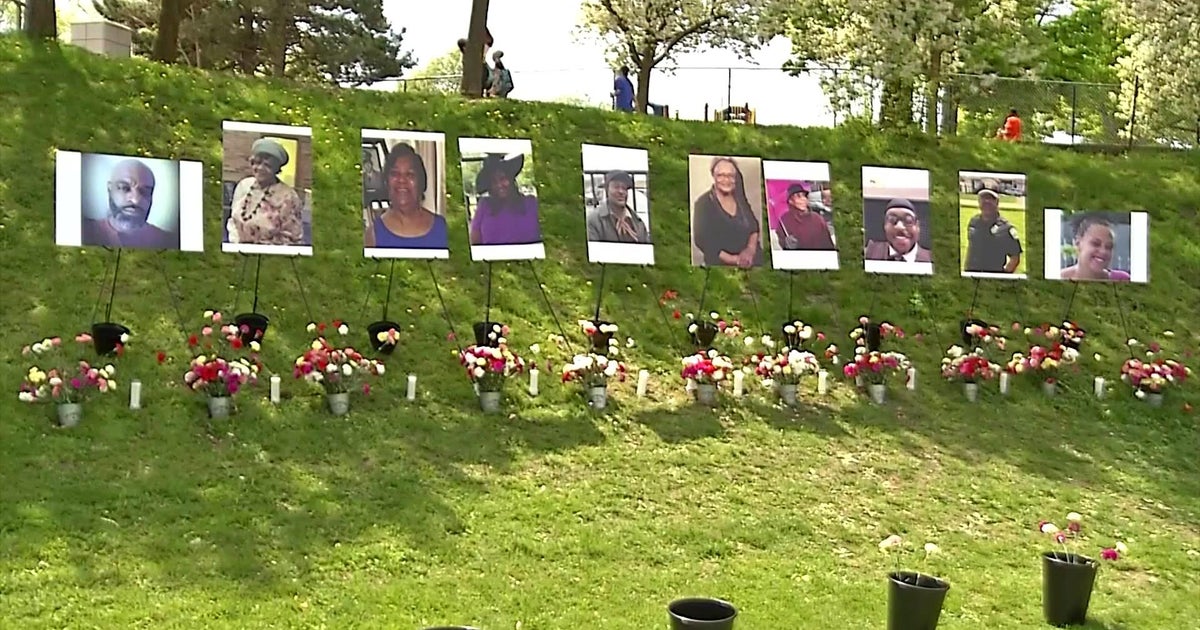
The May 2022 shooting at Tops Friendly Market shattered a community and claimed ten precious lives in what authorities describe as a deliberately planned racist attack. The victims represented a cross-section of everyday Americans going about their normal routines—shopping for groceries, helping neighbors, and serving their community. Among those killed was 77-year-old Pearl Young, a beloved Sunday school teacher who devoted her time to running a food pantry, embodying the spirit of service and compassion. The victims ranged in age from 32 to 86 and included a security guard who died trying to protect shoppers, a man simply looking for a birthday cake, a grandmother to nine children, and the mother of a former Buffalo fire commissioner. Also among the dead was a church deacon known for his kindness in driving shoppers to and from the store with their groceries, ensuring that community members without transportation could access food and necessities. These weren’t just statistics—they were pillars of their community, beloved family members, and individuals whose lives had profound meaning and impact on those around them.
Multiple Parties Held Accountable
Beyond the settlement with Mean Arms, the victims’ families and survivors reached additional agreements with other parties connected to the tragedy. Gendron’s family settled claims in an agreement that remains confidential, according to attorneys from Everytown Law, which represented some of the plaintiffs. Additionally, Vintage Firearms LLC, the gun seller involved in the case, has permanently closed its doors. The owner of Vintage Firearms has agreed to never obtain a federal firearms license in the future, effectively ending that individual’s involvement in the firearms industry. While attorneys for both Gendron’s parents and Vintage Firearms declined to comment on the settlements, these agreements represent a broader effort to ensure accountability across all parties whose actions or products contributed to the devastating attack. Pamela Pritchett, whose mother Pearl Young was killed, spoke at the news conference alongside Attorney General James, expressing the sentiment shared by many affected families: “No one should be able to come into a store and, in two minutes, inflict so much damage to a community, to a family, to children.”
Seeking Justice Through the Legal System
Payton Gendron, the white supremacist who deliberately targeted the Tops supermarket because it served a predominantly Black neighborhood, is already serving life in prison without the possibility of parole. He received this sentence after pleading guilty in November 2022 to multiple state charges, including murder. However, the legal proceedings are far from over. Gendron faces a separate federal trial on hate crime and weapons charges, which is expected to begin later this year. He has pleaded not guilty to these federal charges, despite his guilty plea at the state level. The Justice Department has announced its intention to seek the death penalty in the federal case, reflecting the severity of the crimes and their classification as acts of domestic terrorism motivated by racial hatred. While no legal outcome can restore the lives lost or fully heal the trauma inflicted on survivors and the broader Buffalo community, these proceedings represent society’s attempt to deliver justice and send a clear message that such acts of racist violence will be met with the full force of the law.
A Step Toward Healing and Prevention
Attorney General James acknowledged the limitations of legal settlements and criminal convictions, stating, “The racist mass shooting at Tops in Buffalo was an unbearable tragedy. We lost 10 beautiful lives in a horrific act of violence and hate, and no amount of money can ever return those individuals to their families or erase the devastation the community was forced to endure.” However, she emphasized that accountability represents an important form of justice, adding, “Today, justice looks like accountability, and we have ensured that this device will never be sold in our state again.” The families who participated in the news conference expressed that while nothing can truly compensate for their losses, these settlements represent progress and offer some measure of comfort. By removing the dangerous magazine lock from New York’s market and establishing legal precedent for holding manufacturers accountable when their products enable mass violence, these agreements may help prevent future tragedies. The hope is that by closing loopholes that allow individuals to circumvent common-sense gun safety laws, communities can be better protected from the kind of devastating violence that forever changed Buffalo. While the pain endures for those who lost loved ones, the settlement represents recognition of their suffering and a commitment to ensuring that corporate interests don’t override public safety.