
Major Blow to El Chapo’s Cartel: Mexican Forces Capture Key Operatives
A Significant Victory in the Drug War
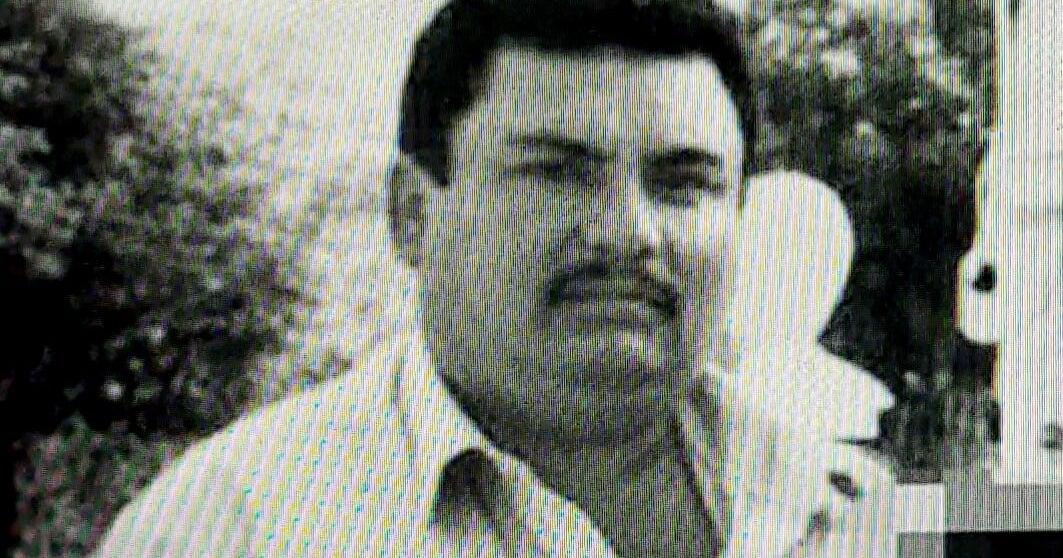
In a major operation that highlights the ongoing cooperation between Mexican and American law enforcement agencies, Mexican military forces successfully captured ten high-ranking members of the notorious Sinaloa cartel. The operation, which was backed by U.S. intelligence, specifically targeted the faction led by Aureliano Guzman Loera, better known by his alias “El Guano,” who happens to be the brother of the infamous drug kingpin Joaquin “El Chapo” Guzman. Among those detained were three of El Guano’s most trusted and closest allies, including positions so critical to the organization that their capture represents a serious disruption to the cartel’s operations. The raid took place in Tamazula, a remote and mountainous village strategically located near where the states of Durango and Sinaloa meet—an area that has long served as El Guano’s stronghold and where he wielded his most substantial influence over drug trafficking operations. The successful operation demonstrates that even in the rugged terrain that has traditionally provided sanctuary to cartel leaders, coordinated international efforts can penetrate these criminal networks and bring their members to justice.
The Captured Leadership and Their Roles
The significance of this operation cannot be overstated when considering who exactly was apprehended. According to statements released by Mexico’s defense secretary, the detained individuals included some of the most important figures in El Guano’s organization. Most notably, authorities captured Aureliano Guzman’s right-hand man, the person who stood closest to him in the organization’s hierarchy and likely participated in major strategic decisions. Additionally, they arrested his chief bodyguard, the individual responsible for the drug lord’s personal security and who would have intimate knowledge of his movements, safe houses, and security protocols. Perhaps equally important was the capture of El Guano’s financial and logistical aide, a position that handles the money flows and operational coordination that keep a major drug trafficking organization running smoothly. These aren’t low-level operatives or expendable foot soldiers; these are the trusted inner circle members who keep the entire operation functioning. Their arrest means El Guano has lost not only key personnel but also individuals who possess detailed knowledge of the organization’s operations, financial networks, and strategic plans. The U.S. State Department’s offer of a $5 million reward for information leading to El Guano’s arrest and conviction underscores how seriously American authorities take the threat he poses, and this operation represents the closest law enforcement has come to capturing him since a previous attempt in December when Mexican marines, supported by helicopters, deployed to the same region.
The Guzman Family’s Diminishing Empire
The Guzman family’s once-dominant position in the international drug trade continues to crumble. Joaquin “El Chapo” Guzman, who built the Sinaloa cartel into one of the most powerful criminal organizations in the world, is now serving a life sentence in the United States, locked away in a maximum-security facility where he can no longer direct operations or intimidate rivals. Two of his sons are also currently in American custody, awaiting trial on various drug trafficking charges, facing the prospect of spending decades behind bars just like their father. With El Chapo imprisoned and his sons detained, Aureliano “El Guano” Guzman had attempted to maintain the family’s grip on the cartel, but even his faction now faces serious challenges following these recent arrests. The power vacuum created by El Chapo’s imprisonment has triggered violent internal conflicts within the Sinaloa cartel itself. El Guano’s associates have been engaged in a brutal war for control against factions loyal to Ismael Zambada, who co-founded the cartel alongside El Chapo and built it into the criminal empire it became. Zambada, known as “El Mayo,” is also now in U.S. custody awaiting trial, which has only intensified the internal fighting as various lieutenants and subfactions battle to claim leadership of what remains of the organization. This internal warfare has resulted in increased violence in Sinaloa and surrounding states, with innocent civilians often caught in the crossfire as rival factions fight for control of trafficking routes, production facilities, and distribution networks.
Rising Tensions Between Mexico and the United States
This successful military operation took place against a backdrop of increasing diplomatic tensions between Mexico and the United States over how the two nations should cooperate in fighting drug cartels. The raid occurred in the same mountainous sierra region where El Chapo himself once hid from authorities, an area known for its difficult terrain and the protection it offers to those familiar with its landscape. However, the timing is particularly sensitive given recent friction over the presence of American agents conducting anti-narcotics operations on Mexican soil. The controversy centers on an operation that apparently proceeded without proper approval from President Claudia Sheinbaum’s administration, raising serious questions about sovereignty and the protocols governing binational cooperation. Tragically, this unauthorized operation ended in disaster when two U.S. agents and two Mexican officials died in a car crash following a raid on a clandestine drug laboratory. The incident has since been confirmed to involve CIA employees, though the agency has declined to provide official comment, maintaining the secrecy that typically surrounds intelligence operations. The deaths have sparked a diplomatic crisis, with President Sheinbaum repeatedly and firmly rejecting offers of direct military assistance from President Donald Trump to combat the cartels. The Mexican president has made clear that while intelligence sharing is welcome and valuable, as demonstrated by the successful capture of El Guano’s associates, she will not tolerate unauthorized foreign agents conducting operations on Mexican territory without explicit permission from the federal government.
The Fatal Raid and Its Diplomatic Fallout
The incident that killed the CIA agents has created significant complications for U.S.-Mexico relations at a critical time when cooperation is essential to combat powerful drug trafficking organizations. According to state prosecutor Cesar Jauregui, the two deceased American agents were serving as “instructor officers” who were “carrying out training tasks” as part of established binational anti-drug cooperation agreements. Jauregui emphasized the importance of the target, describing the raided facilities as “one of the largest sites found in the country where chemical drugs were produced,” indicating the operation’s strategic significance. However, the lack of proper authorization has overshadowed the operational success. President Sheinbaum has gone so far as to announce that she is considering imposing sanctions against the government of Chihuahua—a Mexican state that borders Texas—for allowing the CIA agents to participate in the operation without obtaining the required federal approval. This potential punishment sends a strong message about Mexico’s insistence on maintaining control over security operations within its borders and respecting proper channels of authorization. U.S. Ambassador Ronald Johnson publicly expressed condolences on social media for those killed, but both he and other American officials have provided remarkably few details about the incident, likely due to both the sensitive diplomatic situation and the classified nature of CIA operations. The lack of transparency has only added to the tensions, leaving many questions unanswered about how the operation was authorized, who approved it, and why proper protocols weren’t followed.
Mexico’s Intensified Campaign Against Drug Production
Despite the diplomatic complications, Mexico has demonstrably intensified its efforts to dismantle cartel infrastructure and disrupt drug production in recent months. This increased activity appears directly related to threats from President Trump about possible military action to curb drug trafficking if Mexico didn’t take more aggressive steps. The Mexican government has announced the discovery and dismantling of numerous drug laboratories, sending a clear message that it is taking the problem seriously and can handle it without American military intervention. In February alone, Mexican naval personnel discovered a massive hidden drug laboratory in Durango and successfully “neutralized” over 5,000 pounds of methamphetamine, preventing those drugs from reaching streets in Mexico, the United States, and elsewhere. These operations represent significant victories in disrupting the supply chain that feeds addiction and funds criminal organizations. The capture of El Guano’s top lieutenants, combined with the destruction of major production facilities, demonstrates that Mexican security forces, when supported by quality intelligence from American agencies, can effectively strike at cartel operations. However, the ongoing tensions over operational protocols and sovereignty concerns highlight the delicate balance required for effective binational cooperation. Both nations clearly need each other—the United States requires Mexico’s on-the-ground forces and territorial jurisdiction, while Mexico benefits from American intelligence capabilities and resources. Finding a framework that respects Mexican sovereignty while enabling effective cooperation remains a critical challenge that both governments must address to sustain progress against the powerful cartels that threaten both nations.