
Justice Department Faces Audit Over Handling of Jeffrey Epstein Files Release
Inspector General Steps In After Months of Controversy
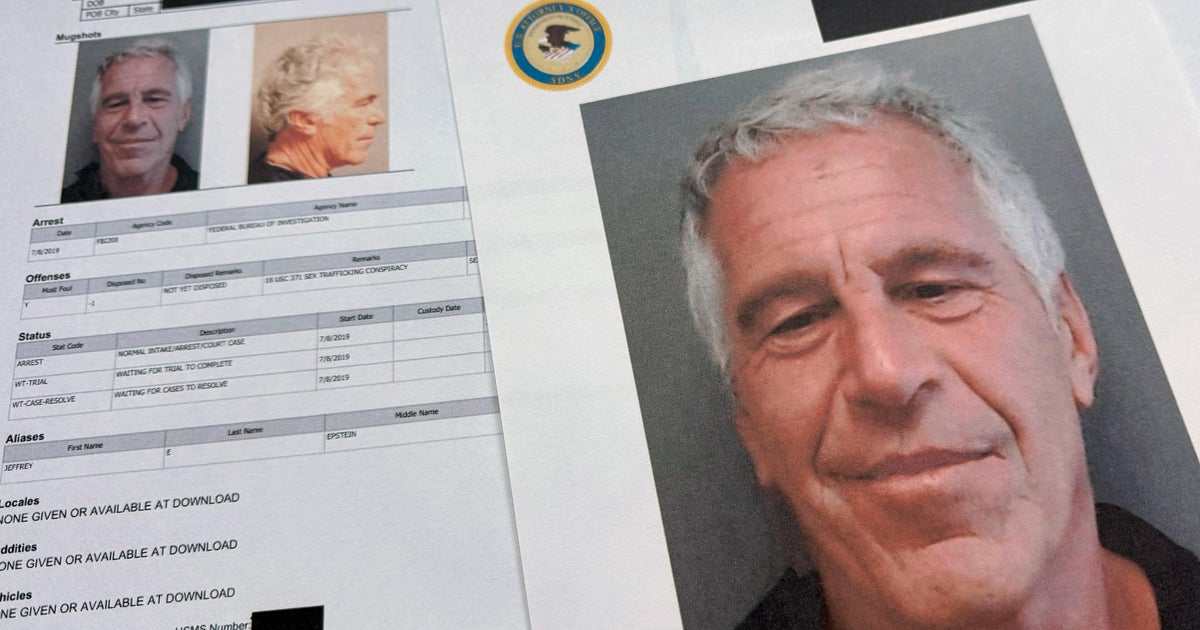
The Justice Department is facing a formal audit over its problematic handling of records related to convicted sex offender Jeffrey Epstein, following widespread criticism from both political parties and survivors of Epstein’s abuse. The department’s Office of the Inspector General announced Thursday that it will conduct a comprehensive review of how the agency complied with the Epstein Files Transparency Act, a law that President Trump signed last November requiring the release of all government files related to Epstein and his accomplice Ghislaine Maxwell. The announcement comes after months of confusion, missed deadlines, and concerns about the incomplete and chaotic manner in which these sensitive documents were made public. This audit represents a significant acknowledgment that the Justice Department’s handling of this high-profile case deserves independent scrutiny, particularly given the intense public interest in understanding the full extent of Epstein’s criminal network and how someone with his connections was able to operate for so many years.
A Chaotic Release Process That Missed Key Deadlines
The problems with the Epstein files release began almost immediately. The law required the Justice Department to publish all relevant documents within just 30 days of the bill becoming law, but the agency failed to meet this critical deadline. While they did release an initial batch of files within the 30-day window, it quickly became clear that this first release didn’t come close to covering everything the law required. Days after that incomplete initial disclosure, the department scrambled to release a much larger collection of more than 11,000 files containing nearly 30,000 pages of various materials, including photographs, court records, emails, news articles, videos, and other documentation related to the investigations. Then, on January 30, the Justice Department announced what it called its final release—a staggering 3 million pages of records. According to then-Deputy Attorney General Todd Blanche, the Trump administration had actually collected more than 6 million pages in total but decided to withhold roughly half of them for various stated reasons, including protecting survivors’ personal information and avoiding interference with ongoing federal investigations. This explanation, however, didn’t satisfy critics who questioned whether the full truth was being revealed.
Documents Mysteriously Disappeared After Publication
Perhaps the most troubling aspect of this entire process has been what happened after the documents were published. A detailed analysis conducted by CBS News uncovered that the Justice Department quietly removed tens of thousands of files from its website after they had already been made public. According to their investigation, as of late February, more than 47,000 files comprising approximately 65,500 pages had been taken down, bringing the total number of accessible documents down to 2.7 million pages from the originally announced 3 million. Anyone attempting to access these removed files now encounters a “page not found” error message on the department’s website, with no explanation provided for why these documents were pulled or what they contained. This pattern of publishing and then unpublishing documents created an atmosphere of suspicion and raised serious questions about whether the Justice Department was being transparent or was instead selectively editing the public record after the fact. The rolling, incomplete nature of the releases combined with the mysterious disappearance of already-published files left both Epstein survivors and members of Congress frustrated and calling loudly for an independent review of the entire process.
Bipartisan Calls for Accountability and Transparency
The mishandling of the Epstein files has united politicians from both sides of the aisle in demanding answers. Representatives Ro Khanna, a Democrat, and Thomas Massie, a Republican, who originally led the effort to pass the Epstein Files Transparency Act, have been particularly vocal in pushing for an independent review of how the Justice Department handled the release. In December 2025, a group of Epstein survivors joined Democratic members of Congress in writing a formal letter to the Justice Department’s inspector general, specifically asking the watchdog office to independently examine all the files to determine whether any of the records had been “tampered” with—a serious allegation that reflects the deep distrust that has developed around this process. During a news conference announcing the final release, Todd Blanche, who was then serving as Deputy Attorney General, attempted to defend the department’s actions, insisting that they had fully complied with the law and hadn’t protected President Trump or anyone else. Blanche acknowledged that there was “a hunger or a thirst for information” that probably wouldn’t be satisfied by reviewing these documents, adding somewhat dismissively that there was “nothing I can do about that.” His comments did little to reassure critics who felt the department had botched the release from the beginning.
Questions About Leadership and Future Handling
The controversy around the Epstein files has become even more complicated due to changes in leadership at the Justice Department. Todd Blanche, who oversaw the document releases and defended the department’s approach, has since been promoted to acting attorney general following the departure of Pam Bondi. In an interview with Fox News after his elevation to this new role, Blanche suggested that the Epstein files “should not be a part of anything going forward” at the Justice Department—a statement that raised eyebrows among those who believe full transparency hasn’t yet been achieved. Meanwhile, President Trump has nominated Don Berthiaume, a career government attorney who had been serving as the department’s acting inspector general since late last year, to permanently fill the inspector general position. This nomination is significant because the inspector general’s office will now be conducting the audit that everyone has been demanding. The question remains whether Berthiaume, despite his career status, will conduct a truly independent and thorough investigation given that he’s a Trump nominee overseeing an audit of how the Trump administration’s Justice Department handled these sensitive files.
What the Audit Will Examine and What Comes Next
The inspector general’s audit will take a comprehensive look at multiple aspects of the Justice Department’s handling of the Epstein files. According to the official statement, the review will evaluate the department’s processes for identifying, redacting, and releasing records as required by law. Specifically, investigators will examine how the department went about identifying and collecting all relevant material in the first place, how officials determined what information needed to be redacted or completely withheld under the law’s provisions, and what processes were used to address concerns that arose after documents had already been published. This last point is particularly important given the thousands of files that mysteriously disappeared from the Justice Department’s website after initially being made public. The inspector general’s office has committed to issuing a public report once the review is complete, which should provide much-needed clarity about what went wrong during this process and whether any documents were deliberately withheld or altered to protect powerful individuals. For the survivors of Epstein’s abuse and for a public that has long demanded full transparency about how a connected financier was able to prey on vulnerable young women for years, this audit represents an important opportunity to finally get answers. The outcome of this investigation could have significant implications not just for understanding the Epstein case, but also for holding government agencies accountable when they fail to meet their legal obligations regarding transparency and public disclosure.