



Understanding the Nipah Virus: What You Need to Know About the Recent Outbreak in India
Regional Response and Current Situation
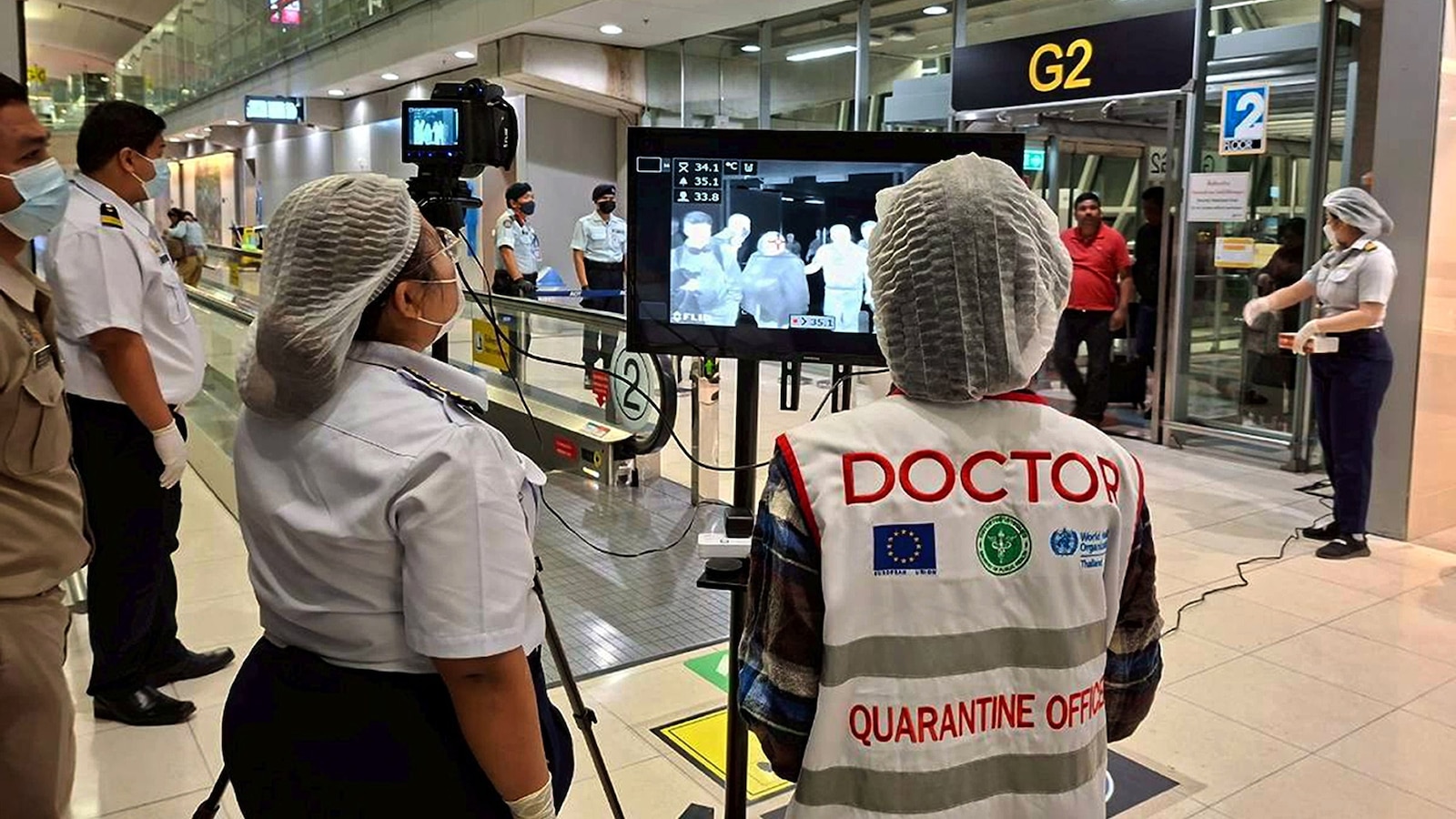
Health authorities across South and Southeast Asia are on high alert following the confirmation of Nipah virus cases in India’s West Bengal region. According to the World Health Organization, two healthcare workers—both 25-year-old nurses, one male and one female—have tested positive for this rare but deadly pathogen. The news has prompted neighboring countries, particularly Thailand and Nepal, to strengthen their disease surveillance systems and implement additional screening measures at international entry points. Thai officials at Suvarnabhumi and Don Mueang International Airports have already begun health screenings for passengers arriving from West Bengal, with health workers donning protective equipment to monitor incoming travelers for any signs of illness.
The United States Centers for Disease Control and Prevention (CDC) has confirmed it is closely monitoring the situation and maintaining contact with Indian health officials. The Department of Health and Human Services has indicated that Indian authorities have quickly mobilized an outbreak response team to contain the spread. While the high mortality rate of Nipah virus understandably raises concerns, public health experts have been quick to reassure the international community that this outbreak is unlikely to escalate into a global health emergency. The swift response from local and international health agencies, combined with the virus’s limited transmission patterns, suggests that containment efforts should prove effective if proper protocols are followed.
What Makes Nipah Virus So Dangerous
Nipah virus belongs to a category of diseases known as zoonotic infections—illnesses that originate in animals and can jump to humans. The virus was first identified in 1999 when it caused outbreaks affecting both pigs and people in Malaysia and Singapore, leading to its name, which comes from the Malaysian village where it was discovered. The primary natural reservoir for Nipah virus is fruit bats, sometimes called flying foxes, which can carry the virus without becoming ill themselves. Humans can become infected through direct or indirect contact with these bats, their saliva, urine, or partially eaten fruit contaminated with their bodily fluids.
What makes Nipah particularly concerning to health professionals is its ability to spread from person to person, though this typically requires close contact or exposure to the bodily fluids of an infected individual. This human-to-human transmission often occurs in healthcare settings where family members care for sick relatives or where medical personnel may not have adequate protective equipment. The virus’s fatality rate is alarmingly high, ranging between 40% and 75% of all confirmed cases according to CDC data. This mortality rate far exceeds that of many other infectious diseases and approaches the lethality of some of the deadliest viruses known to science. Survivors may also experience long-term neurological complications, including persistent seizures and other permanent changes to their health.
Recognizing the Signs and Challenges of Diagnosis
The incubation period for Nipah virus—the time between exposure and the appearance of symptoms—typically ranges from four to fourteen days. Initial symptoms are frustratingly non-specific, making early diagnosis particularly challenging for healthcare providers. Infected individuals usually first develop a fever, which is then followed by additional symptoms including headache, cough, sore throat, difficulty breathing, and vomiting. These early warning signs closely resemble those of many common respiratory infections, from influenza to COVID-19, which can lead to delays in proper identification and treatment.
As the infection progresses, Nipah virus can cause severe neurological complications that distinguish it from typical respiratory illnesses. Patients may experience disorientation and unusual drowsiness, followed by seizures and encephalitis—a dangerous inflammation of the brain. These severe symptoms can rapidly deteriorate, with patients potentially slipping into a coma within just 24 to 48 hours of developing neurological signs. This swift progression from relatively common symptoms to life-threatening complications underscores why rapid identification and isolation of cases is so critical to preventing spread and providing the best possible care to those affected.
Current Treatment Options and Future Hope
Unfortunately, there is currently no approved specific antiviral treatment for Nipah virus infection. Patients who contract the disease receive what’s known as supportive care, which focuses on managing symptoms and keeping the body as stable as possible while the immune system fights the infection. This supportive approach includes ensuring adequate rest, maintaining hydration through fluids, and addressing specific symptoms as they arise. While this may sound limited, quality supportive care can make a significant difference in patient outcomes, particularly when combined with early detection and proper isolation protocols.
However, the medical research community has not been standing still. Several promising treatments are currently under development that could change the outlook for future Nipah virus patients. One of the most advanced is a monoclonal antibody therapy, which uses laboratory-created proteins that mimic the natural antibodies our immune systems produce when fighting the virus. Dr. Diana Finkel, an infectious disease expert at Rutgers New Jersey Medical School, has noted that this treatment has already successfully completed phase I clinical trials and is currently being administered on a compassionate use basis to patients who have no other options. Additionally, researchers are investigating whether remdesivir—the intravenous antiviral medication that became well-known during the COVID-19 pandemic—might be effective against Nipah virus. Studies in nonhuman primates have shown promising results, suggesting this existing drug could potentially be repurposed to fight this deadly infection.
The Realistic Risk of Global Spread
Despite the understandable concern that news of a deadly virus outbreak generates, infectious disease experts have emphasized that the risk of Nipah virus causing widespread international transmission remains very low. Dr. Finkel put it simply when she noted that while we live in an interconnected world where disease can travel quickly, “the likelihood that somebody’s infected, or an infected fruit bat with Nipah virus would be here, right now, is very unlikely.” The virus’s transmission patterns, which require either close contact with infected animals or bodily fluids from infected people, create natural barriers to explosive spread.
Most person-to-person transmission of Nipah virus has occurred in specific settings, particularly in healthcare facilities where standard infection control precautions were not properly followed. When healthcare workers fail to wear appropriate protective equipment like gloves and masks, or when family members provide intimate care to sick relatives without understanding the risks, transmission can occur. However, with proper awareness and implementation of standard infection control measures—practices that have become more familiar to the general public following the COVID-19 pandemic—the risk of widespread transmission drops dramatically. The current outbreak response, which includes contact tracing, isolation of confirmed cases, and heightened surveillance, follows proven protocols for containing infectious diseases before they can gain a foothold in new populations.
The Bigger Picture: Climate Change and Emerging Diseases
The emergence of Nipah virus cases in India serves as an important reminder of broader environmental and ecological trends that are bringing humans into closer contact with wildlife and the diseases they carry. Dr. Peter Rabinowitz, director of the University of Washington Center for One Health Research, has raised important questions about why fruit bats carrying Nipah virus are increasingly coming into contact with human populations. The answers likely involve habitat destruction, climate change, and the ongoing transformation of natural landscapes for human use.
As forests are cleared for agriculture and development, fruit bats lose their natural habitats and food sources, forcing them to venture closer to human settlements in search of fruit trees and other resources. Climate change may be altering the distribution of both bat populations and their food sources, creating new overlaps with human communities. This pattern isn’t unique to Nipah virus—many emerging infectious diseases in recent decades, from Ebola to various novel coronaviruses, have been linked to increased human-wildlife interaction driven by environmental changes. Understanding and addressing these root causes represents a critical component of preventing future outbreaks. The current situation in India, while concerning, provides an opportunity to strengthen surveillance systems, improve outbreak response capabilities, and renew focus on the environmental factors that bring humans and disease-carrying animals into closer contact. By taking a comprehensive approach that addresses both immediate outbreak response and longer-term ecological factors, the global health community can work to reduce the frequency and impact of emerging zoonotic diseases in the years ahead.