
The Silent Epidemic: Why Female Athletes Are Fighting to Change the Game After ACL Injuries
A Devastating Injury That Changed Everything
Sofia Tepichin’s soccer career came to a sudden halt on an October afternoon that started like any other practice session. Just thirty minutes into her club soccer team workout, she found herself facing down a fast-approaching defender—a situation she’d navigated countless times before. This time, however, would be different. She skillfully tapped the ball away and jumped over her opponent’s outstretched foot, but when she landed, something went terribly wrong. The unmistakable “pop” she heard, followed by immediate, searing pain in her left knee, told her everything she needed to know. Before any doctor could confirm it, Tepichin already knew the devastating truth: she had torn her anterior cruciate ligament (ACL). For this high school senior who had dedicated years to the sport she loved, the moment was absolutely heartbreaking. Unfortunately, Tepichin’s story is far from unique—she’s become part of a growing crisis affecting female high school athletes across the country, a problem that experts say has preventable solutions that simply aren’t being implemented.
The Alarming Gender Gap in ACL Injuries
The statistics surrounding ACL injuries in young female athletes paint a troubling picture that demands immediate attention from the sports community. Research has consistently shown that high school-age female athletes suffer these devastating knee injuries at dramatically higher rates than their male counterparts—with some studies indicating they’re up to eight times more likely to experience an ACL tear. The National ACL Injury Coalition, formed through a partnership between the Aspen Institute and the Hospital for Special Surgery in New York, analyzed data from high school athletic trainers and uncovered an even more concerning trend. Between 2007 and 2022, the average annual ACL injury rate for high school athletes increased by nearly 26%, but when broken down by gender, the disparity becomes stark: the rate for girls grew by more than 32%, compared to just 14.5% for boys. What makes these injuries particularly frustrating for researchers and healthcare professionals is that they most often occur in noncontact situations during sports that require rapid directional changes—basketball, soccer, and volleyball being primary culprits. While sports fans frequently hear about high-profile athletes like Olympic skier Lindsey Vonn suffering ACL tears, and many dismiss these injuries as simply bad luck or an unavoidable part of competitive sports, the reality is that decades of research has identified specific biomechanical differences and risk factors that make young women particularly vulnerable during these crucial developmental years.
Solutions Exist, But Implementation Lags Behind
Perhaps the most frustrating aspect of the ACL injury crisis among young female athletes is that effective prevention strategies have been available for years, yet remain largely unused in high school sports programs. Holly Silvers-Granelli, a physical therapist and biomechanics researcher who advises professional teams and major sports leagues on injury prevention, didn’t mince words when discussing the situation: “The real crime in this is that the data has been out there for 25 years. People are clamoring for answers, and the answers are largely there.” Those answers include pre-workout warm-ups and strengthening routines—programs like FIFA 11+ and PEP—that biomechanics researchers, trainers, and physical therapists have proven can significantly reduce the risk of ACL injuries. However, the implementation of these programs faces significant barriers at the high school level. Unlike professional and collegiate sports programs, high school teams typically operate with far fewer resources, limited budgets, and coaches who often lack specialized training in injury prevention. Many coaches simply aren’t aware these risk-reduction programs exist, haven’t been trained to implement them, or aren’t encouraged by their schools or leagues to learn about them. Vince Minjares, who leads the Aspen Institute’s ACL injury prevention project, notes that some coaches even tell him that incorporating these programs would take too much time—a perspective that ignores the far greater time loss when athletes suffer preventable injuries that sideline them for an entire season or longer.
The Physical, Emotional, and Financial Toll
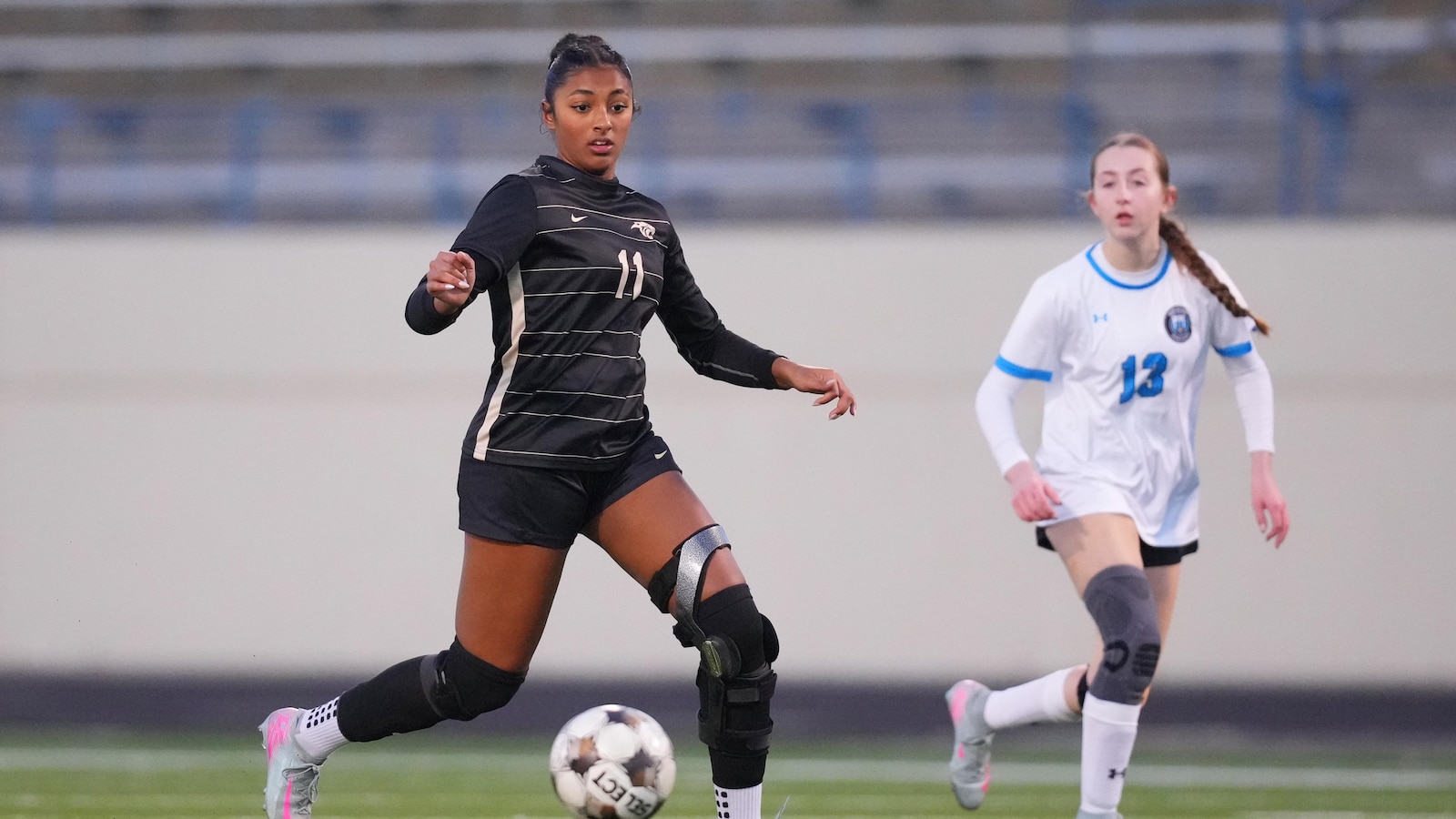
When a high school athlete tears her ACL, the consequences extend far beyond the initial pain and pop of the injury itself. The typical recovery pathway includes surgery followed by approximately a year of rehabilitation, physical therapy, and strength training—a journey that places enormous burdens on both the injured athlete and her family. Insurance coverage often doesn’t fully pay for all the necessary treatment, leaving families to shoulder significant out-of-pocket expenses during an already stressful time. Sophia Gerardi, a sophomore at Apollo Ridge High School in Pennsylvania who tore her ACL during a basketball game in December, underwent surgery in January and faces a long road ahead—she’ll miss volleyball season entirely and is hoping to return for basketball the following winter. Her doctors have informed her that she’ll need to wear a knee brace whenever she plays sports for the rest of her life. Like many young athletes, Gerardi discovered she had never received any ACL injury-prevention training. The psychological impact proves equally challenging as the physical recovery. Tiffany Jacob, whose daughter Aliya tore her ACL while playing for Plano East High School in Texas, watched her child endure not just twice-weekly physical therapy sessions but also the isolation of rehabilitation and the difficult process of “figuring out who you are when you’re not playing soccer.” Young athletes lose the daily camaraderie of their teams, must watch from the sidelines while their teammates continue playing, and struggle with an identity crisis when the sport that has defined much of their young lives suddenly becomes unavailable to them. The National ACL Injury Coalition reports that many high school athletes who tear their ACL never return to performing at the same level, if they return to their sport at all—and those who do come back carry a heightened risk of suffering another ACL injury along with long-term complications like degenerative joint disease.
Signs of Progress and Innovation
Despite the challenges, there are encouraging signs that the sports community is beginning to take ACL prevention more seriously, particularly for young female athletes. This spring, the American Youth Soccer Organization (AYSO)—one of the major national organizations in U.S. youth soccer—will launch new age- and stage-based neuromuscular training programs specifically designed to prevent ACL injuries through targeted warm-ups. Coaches will receive regimens of exercises broken down into manageable, bite-sized chunks accompanied by video instructions, with the goal of building good movement habits before preteens age into more physical and demanding competition. Scott Snyder, AYSO’s senior director of programs and education, expressed surprise that such a comprehensive program didn’t already exist, noting that everyone he talks to agrees it makes perfect sense, yet nobody had implemented it before now. Meanwhile, biomechanical researchers at the Scottish Rite for Children hospital in metropolitan Dallas have begun providing high school teams with resources typically only available at the professional and collegiate levels. Their initiative includes pre-season injury-prevention training tailored specifically for female athletes, designed to improve strength and movement quality. At the start of their eight-week program, each athlete receives a free motion-capture 3D assessment to identify weaknesses in strength, movement, or balance, followed by another assessment at the program’s conclusion to determine if the intervention successfully reduced injury risk. Sophia Ulman, who directs the hospital’s Movement Science Laboratory, explained her team’s motivation: “My team and I got tired of studying ‘why, why, why’ when there’s so many different possibilities to answer that question. And we wanted to move into the ‘what is the solution.'” Similar outreach efforts are being launched by other biomechanics labs across the United States.
Looking Forward: A Call for Systemic Change
The participation of teams like Plano East High School in Texas—where players including Sofia Tepichin had suffered a concerning number of ACL tears in recent years—demonstrates the potential impact of these new prevention initiatives. Coach Cristy Cooley emphasized that receiving hands-on demonstrations from trained professionals in proper exercises and movement patterns makes an enormous difference: “It’s one thing talking about it, but it’s a totally different thing to show us.” Tiffany Jacob, having watched her daughter Aliya go through the entire ordeal of ACL reconstruction and rehabilitation, believes she learned crucial information about prevention that she wishes she had known earlier—such as the surgeon’s insistence that three days a week of strength training is an absolute must for soccer players. “Something’s got to change,” she said. “Coaches, clubs, something. They have to do something to prevent this because it’s just such a horrible injury.” The National ACL Injury Coalition has urged the sports world to treat ACL injuries with the same seriousness as brain injuries, now that both professional and youth sports have made significant efforts to improve training, rules, and equipment standards to prevent and detect concussions. As for the athletes themselves, they demonstrate remarkable resilience in the face of these devastating setbacks. Sofia Tepichin, following her surgeon’s advice to allow herself a couple days for sadness and anger before devoting herself completely to recovery, has worked with a sports psychologist, found comfort from others who’ve undergone the same surgery (including her sister, father, and friends), and established a new routine to replace the constant busyness of juggling two soccer teams and a job. “There’s not a day that I go that I’m not working out or doing something, or getting better for my health and my recovery,” she said. She’ll miss her final year of high school and club soccer, but her next appearance on a soccer field could be for Saint Vincent College in Pennsylvania, where she’s committed to the NCAA Division III team—a goal that keeps her motivated through the challenging rehabilitation process. Her story, and those of countless other young female athletes, reminds us that while individual determination can overcome these injuries, systemic change is necessary to prevent them from happening in the first place.