
The Hidden Victims: How Children Bear the Heaviest Burden in Conflict Zones
Every War is a War on Children
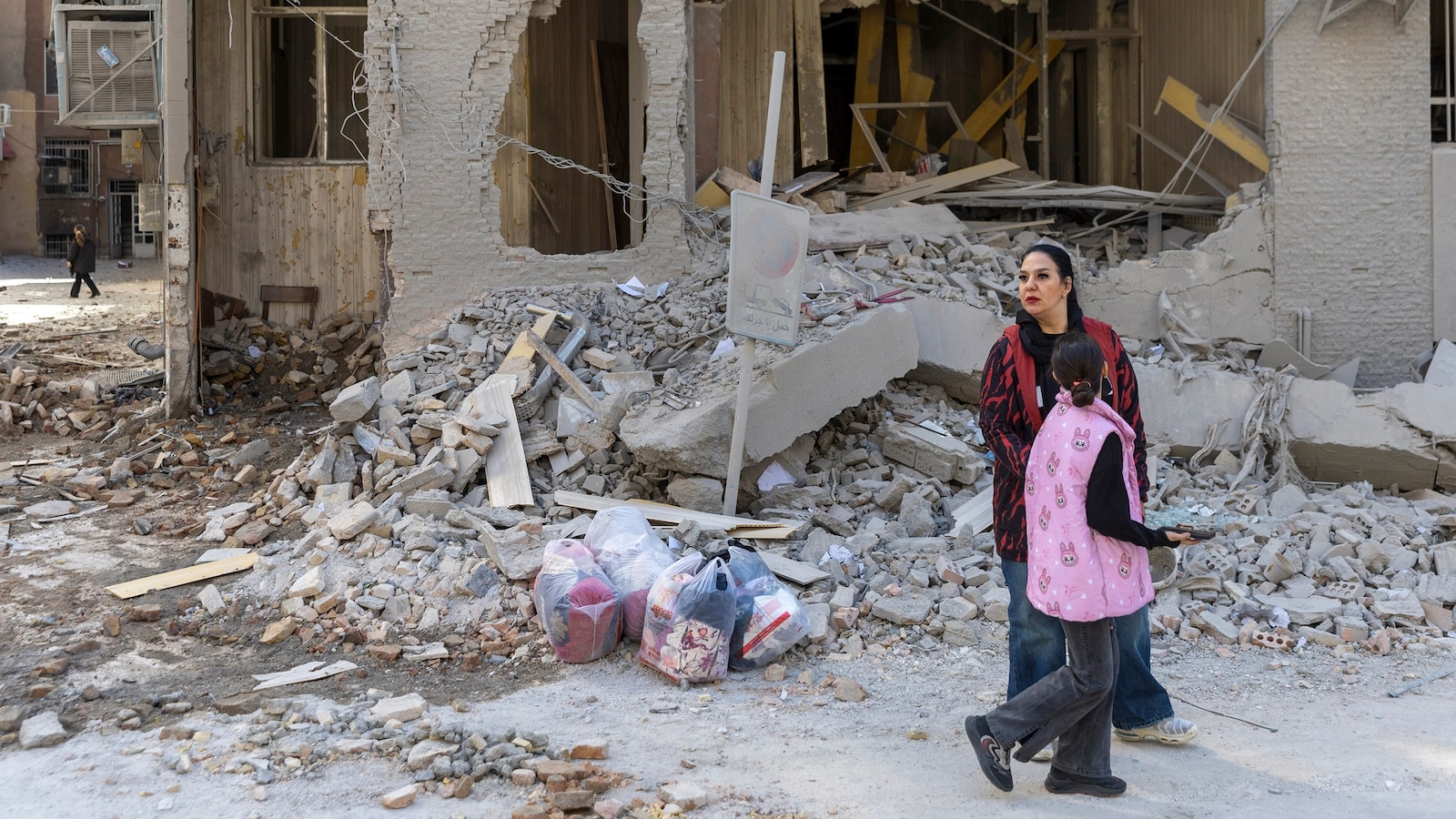
In the midst of escalating military tensions between the U.S., Israel, and Iran, there exists a heartbreaking reality that often goes overlooked: the devastating impact on the region’s youngest and most vulnerable residents. According to Iran’s education ministry, dozens of children and teenagers have already lost their lives in this conflict, with many killed while simply attending their daily classes. The tragic irony is stark—these children had nothing to do with starting this war, yet they’re paying the ultimate price. As Ahmad Alhendawi, regional director for Save the Children covering the Middle East, North Africa, and Eastern Europe, poignantly explained to ABC News, “Every war is a war on children. They are not the reason why the war started, but they are the ones who pay the highest prices. Their childhood simply gets disrupted.” Medical professionals and humanitarian workers working in the region have sounded the alarm that millions of children now face serious physical and mental health consequences that could affect them for the rest of their lives. The situation demands our attention not just because of what’s happening today, but because of the long-lasting scars these experiences will leave on an entire generation.
The Invisible Wounds: Mental and Emotional Trauma
While physical injuries are visible and immediate, the psychological damage inflicted on children living through warfare represents what Dr. Zaher Sahloul, president and co-founder of MedGlobal, describes as a “huge problem.” Children require certain fundamental elements to develop properly—they need to feel supported, safe, and secure within their communities. They thrive on normalcy and routine. When caught in conflict zones, children lose these essential foundations of healthy development. Dr. Sahloul emphasizes that maintaining stability and routine becomes absolutely critical under such circumstances. This means consistent school attendance, access to playgrounds for recreation, regular family meals, and a safe place to sleep each night. When any of these basic elements are disrupted, children begin showing signs of serious mental health struggles, including anxiety, hyperactivity, emotional withdrawal, and persistent sadness.
The trauma children experience comes from multiple sources—the violence they witness firsthand, the disturbing images they see on television, and the direct experience of bombs and missiles impacting their neighborhoods, schools, and homes. The manifestation of this trauma varies depending on the child’s age, but research from the World Health Organization paints a sobering picture. Studies of previous conflicts reveal that at least 10% of those who experience traumatic events in armed conflict will develop serious mental health problems, while another 10% will develop behavioral issues that significantly hinder their ability to function effectively in daily life. These aren’t just statistics—they represent real children whose futures are being fundamentally altered by circumstances completely beyond their control.
When Safe Spaces Become Targets
The psychological impact intensifies dramatically when places that should represent safety and sanctuary come under attack. Over the weekend, Shajare Tayyiba Elementary School, an all-girls school in Minab in southern Iran, was hit by airstrikes. While Iranian officials blame the U.S. and Israel for the strike, the Israeli Defense Forces have denied involvement, and U.S. officials, including Secretary of State Marco Rubio, insist that America does not target civilian infrastructure. Regardless of who bears responsibility, the impact on children’s psyches is devastating. “That adds, of course, to the trauma,” Dr. Sahloul explained. “These are areas that should be considered safe and when people die in school or in a hospital or in the market, I think that adds to the trauma.” Imagine being a child who has always viewed school as a safe haven, a place of learning and friendship, only to have that sanctuary shattered by violence. The message such attacks send to young minds is that nowhere is truly safe, that danger can strike anywhere at any time—a terrifying reality that no child should have to internalize.
Physical Dangers and Lasting Disabilities
Beyond the psychological toll, children face unique physical dangers in conflict zones that differ significantly from the risks adults encounter. Their smaller bodies make them particularly vulnerable to injury from projectiles like bullets and shrapnel. When children breathe in smoke and ash from fires and explosions, it affects their developing respiratory systems more severely than it would an adult’s. Those who survive direct attacks often face life-altering injuries—the loss of limbs, eyesight, or cognitive function that will affect them for decades to come. “The physical impact on children is much more significant because there are fears for their development,” Alhendawi noted. Dr. Sahloul elaborated on the specific vulnerabilities children face: their smaller stature makes them more susceptible to being struck by flying debris, severe bleeding can more quickly lead to shock in their smaller bodies, they’re more prone to requiring amputation due to the smaller size of their limbs, and their thinner skin makes them more vulnerable to serious burns.
The connection between mental and physical health in children caught in conflict zones creates a vicious cycle. Research has demonstrated a significant link between clinical mental health symptoms and physical health problems. As Dr. Sahloul explained, psychological trauma can lead to depressed immune function, making children more susceptible to infections. It can contribute to malnutrition when stress and anxiety suppress appetite or disrupt normal eating patterns. It can even result in stunted growth, permanently affecting a child’s physical development. These interconnected health impacts don’t exist in isolation—they compound each other, creating layers of challenges that these children will carry with them into adolescence and adulthood. It’s worth noting that adults in these conflict zones experience similar physical and mental health effects and would benefit from similar interventions, though children remain particularly vulnerable due to their developmental stage.
Pathways to Healing and Hope
Despite the overwhelming challenges, health and humanitarian experts have identified concrete ways to help children survive and even begin to heal while living through conflict. The key, according to professionals working in the field, is providing as much structure and normalcy as possible under the circumstances. Maintaining routines—even simple ones—gives children a sense of stability in a world that has become unpredictable and frightening. When feasible, creating child-friendly spaces where young people can learn, play, and receive psychosocial support makes an enormous difference. These spaces serve as islands of normalcy in a sea of chaos, places where children can simply be children, even if only for a few hours each day. These interventions aren’t luxuries or extras—they’re essential components of helping children maintain their development and well-being in the most challenging circumstances imaginable.
Organizations like Save the Children are positioning themselves to provide assistance as the situation evolves. Alhendawi reported that while Save the Children is not currently operating within Iran itself, the organization maintains a presence in nine surrounding countries and stands ready to provide full shelter and basic services for populations that may be displaced by the conflict. This preparation reflects the unfortunate reality that humanitarian organizations have learned from past conflicts—the need for child-specific support services doesn’t end when the fighting stops. The recovery process is long and requires sustained commitment and resources. As we watch this conflict unfold from afar, it’s crucial to remember that behind every news report, every statistic, every military strategy discussion, there are millions of children whose lives are being fundamentally shaped by these events. They didn’t choose this war, they don’t understand the political complexities that led to it, and they have no power to end it—yet they will carry its consequences for the rest of their lives. Our response to their plight will say much about our values as a global community and our commitment to protecting the most vulnerable among us, even—especially—in times of conflict.