


A Terrifying Moment at the White House Correspondents’ Dinner: An Eyewitness Account
When Security Was Breached at America’s Most Star-Studded Political Event
The White House Correspondents’ Dinner is typically an evening of glamour, jokes, and celebration where journalists, politicians, and celebrities gather to honor press freedom and poke fun at the political establishment. But on Saturday night, what should have been an elegant affair at the Washington Hilton turned into a heart-stopping security crisis when a gunman breached the security perimeter and rushed toward the ballroom where the nation’s top leaders were gathered. Among the 2,500 guests that evening were President Trump, Vice President JD Vance, and numerous other high-ranking administration officials—essentially a significant portion of the United States government’s line of succession all in one room. The evening’s festive atmosphere was shattered in an instant, but thanks to the quick thinking of one attendee and the swift response of security personnel, what could have been a national tragedy was averted.
An Air Force Veteran’s Split-Second Decision
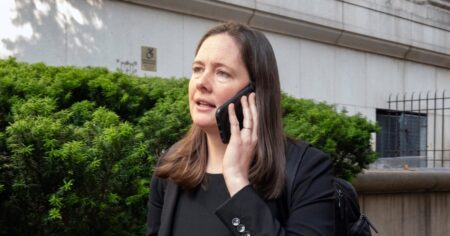
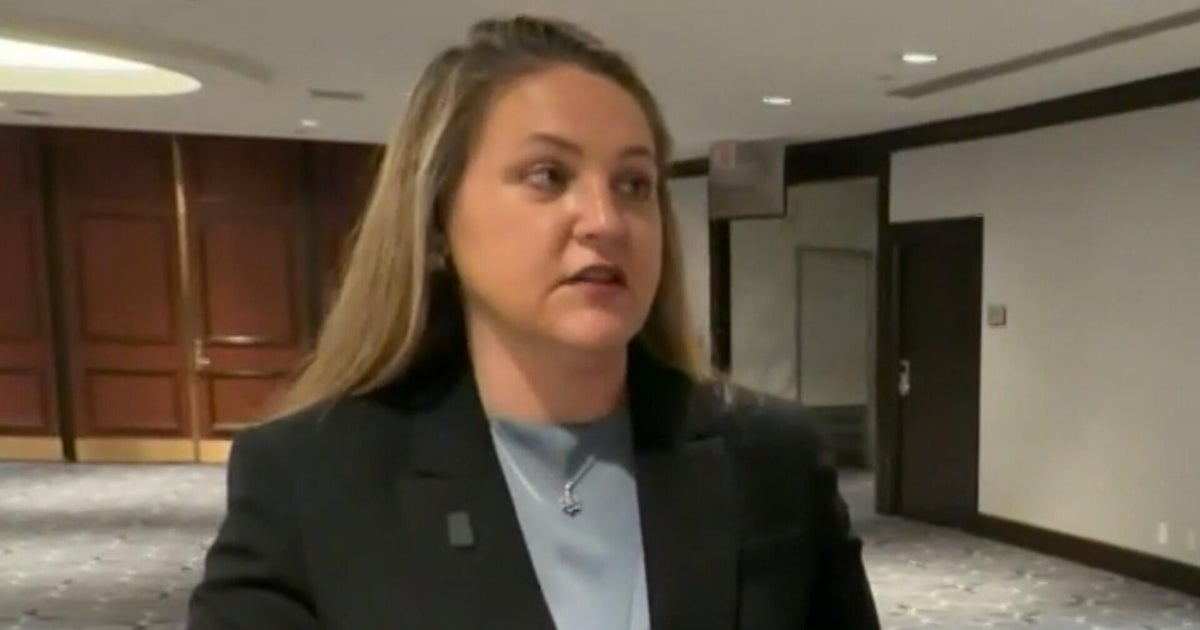
Erin Thielman, an Air Force veteran attending the prestigious dinner, found herself in exactly the wrong place at exactly the right time. She had stepped outside the ballroom to make what seemed like a routine phone call to her son when chaos erupted around her. Within seconds, she witnessed the suspect, later identified as Cole Allen, rushing past security checkpoints and heading directly toward the event where America’s leadership was gathered. In a moment that she’ll likely never forget, Thielman watched as Allen fell to the ground right in front of her—so close that she could have reached out and touched him without even taking a step forward. “I would not have had to take a step forward to touch him,” she later recounted. “I could’ve just bent down to touch him.” The proximity of the threat was terrifyingly real, and in that instant, Thielman’s military training and instincts kicked in, transforming her from a dinner guest into someone who may have helped prevent a catastrophe.
Racing Against Time to Protect the Nation’s Leaders
Rather than freezing in fear or simply running away from the danger, Thielman made a remarkable decision that demonstrated both courage and quick thinking. Seeing the suspect rushing toward the ballroom and uncertain about what security personnel inside knew about the unfolding threat, she took it upon herself to act. She ran down the stairs and discovered something that sent a chill down her spine—the doors to the ballroom were “wide open,” leaving everyone inside vulnerable. Without hesitation, she began closing those doors, creating a physical barrier between the armed intruder and the gathered dignitaries. “I was very concerned because we had the line of succession to our country in the ballroom, and I didn’t know what they knew,” she explained afterward. Her words underscore the gravity of the situation: in that ballroom sat not just the current president and vice president, but numerous other officials who form the constitutional framework for government continuity. Had Allen succeeded in entering that space while armed, the consequences could have been devastating for the nation’s leadership structure.
The Suspect’s Arsenal and Alleged Intentions
As the investigation unfolded in the days following the incident, the full scope of Allen’s preparations became terrifyingly clear. Court documents revealed that the suspect wasn’t simply making a rash, impulsive decision—he came heavily armed and apparently with a specific plan. Officials discovered that Allen was carrying a shotgun, a pistol, and a variety of knives, suggesting he was prepared for sustained violence. Even more chilling was what investigators found in Allen’s communications. According to a federal affidavit, just minutes before attempting to breach security, Allen had emailed a document to family members titled “Apology and explanation.” This document reportedly laid out his intentions in stark terms: he planned to target “administration officials prioritized from highest-ranking to lowest.” This wasn’t a random act of violence or a moment of impulse—it was allegedly a calculated assassination attempt with a clear hierarchy of targets. The acting Attorney General Todd Blanche also clarified a key detail during a press conference on Monday: contrary to initial reports suggesting Allen had been tackled by security, he “was not shot but fell to the ground and was promptly arrested.” The exact circumstances of why he fell remain somewhat unclear, but what is certain is that his arrest prevented what he allegedly set out to do.
Legal Proceedings and the Severity of the Charges
The legal consequences Allen now faces reflect the extraordinary seriousness of his alleged actions. He has been charged with attempting to assassinate the president, one of the most grave offenses in the federal criminal code, carrying potential penalties up to and including life imprisonment. In addition to this primary charge, Allen also faces two firearms-related charges connected to his possession and attempted use of weapons in the commission of this alleged crime. On Monday, Allen made his first appearance in court, where the weight of the charges against him was formally presented. Notably, he did not enter a plea at this initial hearing, which is common in cases of this magnitude as defense attorneys typically need time to review evidence and consult with their clients before advising them on how to proceed. As the case moves forward through the judicial system, it will likely reveal more details about Allen’s background, his motivations, and how he was able to get as close as he did to such a heavily secured event. The investigation will also undoubtedly examine security protocols at the event and whether any improvements need to be made to prevent similar breaches in the future.
Reflections on Security, Heroism, and American Resilience
This frightening incident at the White House Correspondents’ Dinner serves as a sobering reminder of the constant threats faced by public figures in American political life and the dedication required of those who protect them. While security professionals deserve credit for ultimately preventing Allen from reaching his alleged targets, the actions of Erin Thielman—an ordinary citizen who happened to be a veteran with the presence of mind to act in a crisis—highlight something equally important about American resilience. When confronted with danger, she didn’t think first of her own safety but of her responsibility to help protect others, including the nation’s leadership. Her decision to close those ballroom doors may seem simple in hindsight, but in the moment, it required courage and clarity of thought that many people wouldn’t be able to summon under such pressure. The incident also raises important questions about security at high-profile events where multiple members of government leadership gather in one location. While such events are important for maintaining traditions like press freedom and the relationship between media and government, they also create concentration risks that require extraordinary security measures. As investigations continue and more details emerge, event planners and security professionals will undoubtedly review what happened and look for ways to strengthen protections without turning these important democratic gatherings into fortresses that undermine their very purpose. Ultimately, this near-tragedy ended without physical harm to anyone, thanks to a combination of professional security response and the heroic actions of someone who simply did what she thought was right in a moment of crisis.