

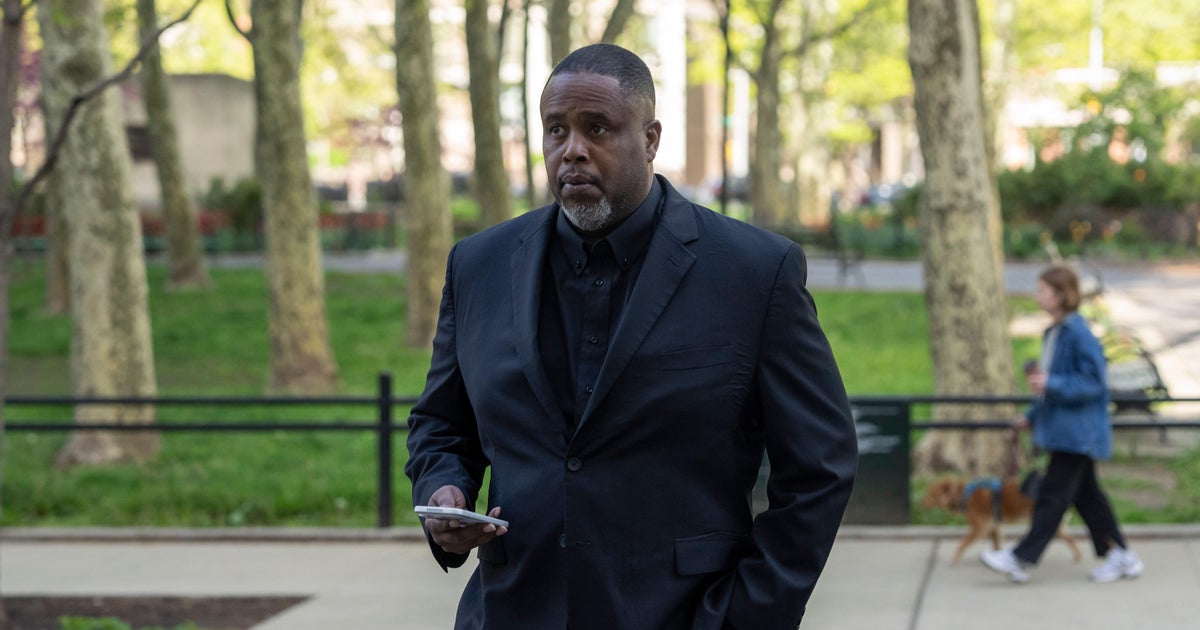

Former NBA Player Damon Jones Pleads Guilty in Major Gambling Fraud Case
A Shocking Fall from Grace for a Basketball Veteran
In a stunning turn of events that has sent shockwaves through the basketball community, former NBA player Damon Jones has become the first person to admit guilt in a massive federal fraud investigation that has ensnared more than thirty defendants. The 49-year-old former Cleveland Cavaliers guard appeared in Brooklyn federal court this week, where he pleaded guilty to two counts of wire fraud conspiracy in connection with schemes that prosecutors say defrauded victims of more than $10 million. Jones, who once shared the court with some of basketball’s biggest names, now faces the consequences of allegedly using his connections and insider knowledge from his playing days to orchestrate illegal betting operations and participate in rigged poker games. The case represents a dramatic downfall for someone who spent years building a career in professional basketball, both as a player and later as an assistant coach, only to see that reputation crumble under the weight of federal criminal charges.
The Schemes: Rigged Poker Games and Insider Betting
The federal indictments against Jones and his co-defendants paint a picture of two distinct but related criminal enterprises. The first scheme centered around elaborate poker operations designed to fleece wealthy victims who believed they were participating in legitimate high-stakes games. According to court documents, Jones was involved in a rigged poker game that took place in Las Vegas in 2019, where participants allegedly used a sophisticated “rigged shuffling machine” that had been secretly modified to read the cards before they were dealt. This technological manipulation gave the conspirators an unfair advantage over unsuspecting victims, who had no idea the games were fixed against them from the start. In one documented instance, the FBI reported that a single victim lost $50,000 in one of these fraudulent games. The scheme specifically targeted wealthy individuals, luring them to play against athletes in what they believed were fair games, exploiting both their competitive nature and their desire to test themselves against professional athletes in a different arena.
Using NBA Connections for Criminal Gain
The second major component of the case involves sports betting fraud, where Jones allegedly leveraged the relationships and insider information he gained during his years in the NBA to place bets with an unfair advantage. Federal prosecutors presented evidence that Jones sent tips to others about confidential player information that wasn’t yet public knowledge. In one particularly damning example, prosecutors say Jones sent a message saying, “Get a big bet on Milwaukee tonight before the information is out! [Player 3] is out tonight.” Legal experts and court observers believe this message was referring to LeBron James, who was not only Jones’s former teammate but also a longtime friend. Jones’s connection to James went beyond their playing days together on the Cavaliers—Jones later served on coaching staffs for both the Cleveland Cavaliers and the Los Angeles Lakers, positions that would have given him access to sensitive information about player availability, injuries, and game strategies. It’s important to note that James himself is not accused of any wrongdoing in this case, and there’s no suggestion he was aware of Jones’s alleged illegal activities. U.S. Attorney Joseph Nocella characterized Jones’s actions bluntly, stating that “Damon Jones converted his fame and ties to professional basketball into a multi-faceted criminal betting operation.”
A Public Apology and Acknowledgment of Guilt
During his court appearance in Brooklyn federal court, Jones read from a prepared statement in which he acknowledged his wrongdoing and took responsibility for his actions. According to reports from The Associated Press, Jones specifically admitted that he used “insider information” that he had obtained through the relationships he built during his time as an NBA player. This acknowledgment represents a significant admission, as it confirms that Jones deliberately exploited his position and connections within the basketball world for criminal purposes. In his statement, Jones also offered apologies to several groups affected by his actions, including his family, his colleagues, and the NBA itself. The emotional weight of the moment wasn’t lost on observers in the courtroom, as Jones confronted the reality that his actions had not only destroyed his own reputation but had also brought embarrassment to an organization and a sport that had given him so much. The NBA has long fought to protect the integrity of its games from gambling influences, making Jones’s alleged use of insider information for betting purposes particularly damaging to the league’s reputation.
The Broader Investigation and Other Defendants
Jones’s guilty plea represents just the beginning of what promises to be a lengthy legal process involving dozens of defendants. The investigation has swept up 34 people in total, including individuals with alleged connections to organized crime and other figures from the NBA world. Jones was one of three people charged in both indictments, highlighting his central role in the schemes. While Jones is the first to plead guilty, he certainly won’t be the last—federal prosecutors have indicated that eleven other defendants are expected to reach plea agreements in the coming months. The case has also ensnared current NBA player Terry Rozier, who was recently released by the Miami Heat and appeared in court Monday for a motion to dismiss charges against him. Rozier has pleaded not guilty to conspiracy to commit wire fraud and conspiracy to commit money laundering. However, in a development that likely concerns Rozier’s legal team, prosecutors announced during that hearing that they intend to bring additional charges against the NBA star, including bribery and wire fraud, by mid-May. The scope and complexity of the investigation suggest that federal authorities have been building this case for some time, using wiretaps, financial records, and cooperating witnesses to unravel the various schemes.
Sentencing Ahead and the Cost of Betraying Trust
Jones now faces sentencing scheduled for January 6, 2027, when a federal judge will determine the consequences for his crimes. Wire fraud conspiracy carries significant potential prison time, and with victims losing more than $10 million across both schemes, Jones could face a lengthy sentence behind bars. Beyond the legal penalties, Jones has already paid a heavy price in terms of his reputation and standing in the basketball community. He went from being a respected former player and coach to the first person to admit guilt in a major federal fraud case that has embarrassed the NBA and betrayed the trust of fans, colleagues, and friends. The case serves as a cautionary tale about how fame and connections, when misused, can lead even successful people down a destructive path. Jones’s story is particularly tragic because he had already achieved what many only dream of—a career in the NBA followed by coaching opportunities that kept him connected to the game. Instead of leveraging those relationships ethically, he allegedly chose to exploit them for criminal gain. As the legal proceedings continue for the other defendants and more details emerge about the full scope of these schemes, Jones’s guilty plea stands as an acknowledgment that no amount of fame or past success places anyone above the law.