

Taylor Swift Takes Bold Steps to Protect Her Voice and Image in the AI Era
Leading the Charge Against Digital Impersonation
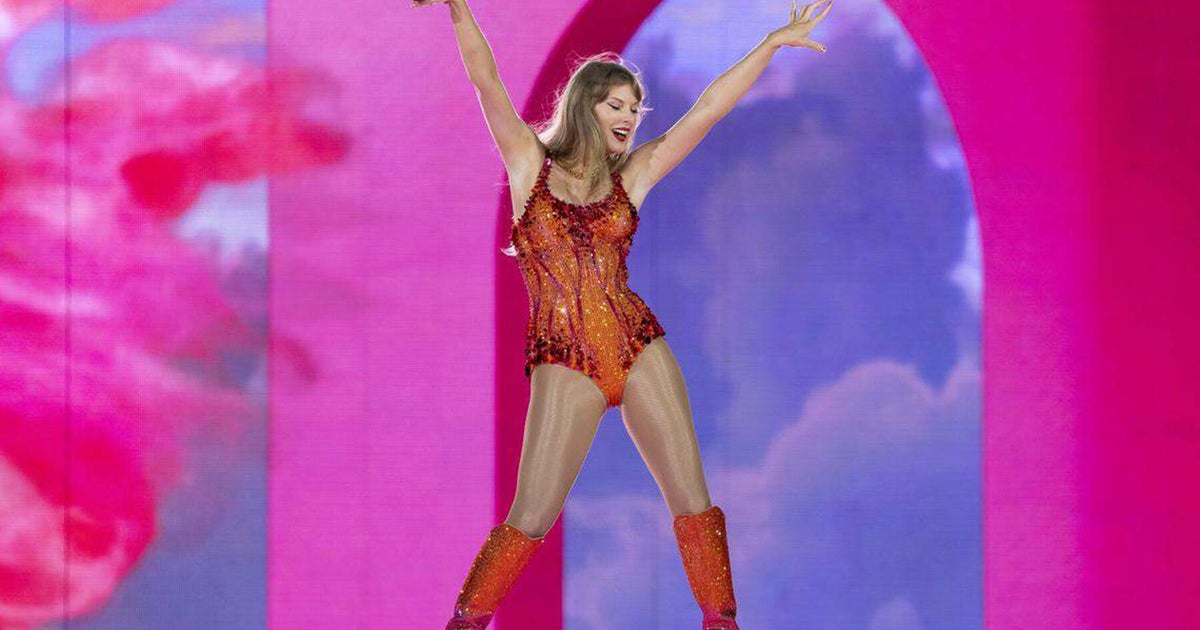
In an unprecedented move that could reshape how celebrities protect themselves in the digital age, Taylor Swift has filed trademark applications to safeguard her voice and likeness from artificial intelligence misuse. The pop superstar’s company submitted three distinct trademark applications to the U.S. Patent and Trademark Office this past Friday, marking what experts believe could be the beginning of a new trend in celebrity intellectual property protection. Two of these applications specifically cover audio recordings of Swift’s voice speaking the simple yet distinctive phrases “Hey, it’s Taylor Swift” and “Hey, it’s Taylor.” The third application focuses on protecting a specific image showing the Grammy-winning artist performing on stage with her guitar. This strategic move comes at a critical time when AI technology has advanced to the point where creating convincing fake audio and video content has become alarmingly accessible to virtually anyone with an internet connection.
The Growing Threat of Deepfakes and AI Manipulation
The threat that prompted Swift’s protective measures is very real and increasingly sophisticated. Josh Gerben, an intellectual property attorney at Gerben IP who first discovered these trademark filings, explained to CBS News that the landscape of celebrity exploitation has fundamentally changed with the advent of AI tools. These technologies have made it disturbingly simple to generate what are known as “deepfakes”—convincing audio, visual, and video content that can make it appear as though a famous person said or did something they never actually did. The implications of this technology are troubling on multiple levels, particularly because the fabricated content doesn’t need to be perfectly accurate to cause significant damage to a celebrity’s reputation or to deceive the public. Gerben emphasized this concern in his blog post about Swift’s trademark applications, noting that “anyone can spin up a version of an artist’s voice, have it say anything, attach it to anything, and distribute it at scale.” The ease with which this can be done, combined with the potential for widespread distribution through social media and other digital platforms, creates a perfect storm of potential harm for public figures who have spent years carefully crafting their public image and maintaining their relationship with fans.
Swift as a Trendsetter in Intellectual Property Protection
Taylor Swift’s decision to pursue these trademarks isn’t surprising to those who have followed her career-long attention to controlling her artistic legacy and business interests. Gerben characterizes Swift as a “leader in the intellectual property space,” suggesting that her actions will likely inspire a wave of similar protective measures from other celebrities and public figures. The attorney believes Swift is responding to a troubling trend she’s observing—the use of AI to create images, audio recordings, and deepfakes that range from merely unauthorized to potentially harmful or inappropriate. By taking this proactive approach, Swift is essentially creating a legal framework that will allow her team to approach platforms and companies that use AI technology and demand they prevent their algorithms from generating unauthorized content using her voice or likeness. This strategy represents a forward-thinking approach to a problem that existing laws weren’t designed to address, as current trademark regulations were written long before sophisticated AI technologies became commercially available to the general public. Swift isn’t alone in recognizing this need for updated protections; actor Matthew McConaughey has similarly filed to trademark his iconic catchphrase from “Dazed and Confused”—”Alright, alright, alright”—demonstrating that awareness of these AI-related threats is spreading across the entertainment industry.
The Legal Landscape and Its Limitations
While existing trademark laws can certainly help curb unauthorized use of a celebrity’s identity, they were crafted in an era before anyone could have imagined the capabilities of modern artificial intelligence. Traditional trademark protections were designed to prevent copycats and can also apply to content that might be mistaken for original, trademarked material. However, as Gerben points out, these laws are now being stretched to cover situations their authors never anticipated. The challenge lies in the fact that AI-generated content exists in a gray area where it’s technically not a direct copy of someone’s voice or likeness but can be convincingly similar enough to fool the average person. This creates complicated legal questions about what constitutes infringement when the content in question was generated by an algorithm rather than recorded or photographed directly. By filing these specific trademarks, Swift is attempting to create a more concrete legal foundation for challenging AI-generated content that uses her voice or image without permission. This approach could potentially provide stronger grounds for legal action than relying solely on existing laws that weren’t written with AI technology in mind.
The Broader Implications for Celebrity Culture and Public Figures
The implications of Swift’s actions extend far beyond her personal brand protection. If successful, her strategy could establish a new standard for how celebrities and public figures defend themselves against digital impersonation in an age where the line between real and artificial is increasingly blurred. The concern isn’t merely about protecting commercial interests, though that’s certainly a factor when an artist’s voice or image could be used to endorse products or express opinions without their consent. There are also deeper issues related to consent, authenticity, and the right to control one’s own identity in digital spaces. Imagine a scenario where an AI-generated version of Taylor Swift appears to endorse a political candidate she opposes, or where her voice is used in inappropriate or harmful content. Without strong legal protections in place, celebrities would have limited recourse to stop the spread of such material or hold platforms accountable for hosting it. Gerben’s expectation that Swift’s example will spark a “flurry of similar filings” suggests that the entertainment industry recognizes this vulnerability and is preparing to address it collectively rather than waiting for laws to catch up with technology.
Setting the Standard for the AI Age
Taylor Swift’s trademark applications represent more than just a defensive business move—they signal a pivotal moment in how society will need to grapple with artificial intelligence’s impact on identity, authenticity, and intellectual property. As Gerben noted, “the fact that they are doing this is going to set an example that a lot of people are going to follow.” This prediction underscores the trendsetting nature of Swift’s approach and her continued influence not just in music but in the business and legal aspects of celebrity management. The timing of these filings is particularly significant as AI technology continues to advance at a rapid pace, with tools becoming more accessible and the quality of generated content improving constantly. What might have seemed like science fiction just a few years ago—the ability to create convincing fake audio or video of anyone saying anything—is now a practical reality that anyone with moderate technical skills can accomplish. For celebrities like Swift, who have built their careers on authentic connections with fans and carefully cultivated public personas, this technology represents an existential threat to their ability to control their own narrative. By taking proactive legal steps now, Swift is not only protecting herself but potentially paving the way for stronger protections that could benefit all public figures, and perhaps eventually extend to private individuals as AI-generated impersonation becomes an even more widespread concern. As we move further into an age where the boundaries between real and artificial become increasingly difficult to discern, the legal precedents being set today by celebrities like Taylor Swift may prove crucial in establishing how we balance technological innovation with personal rights and protections in the digital realm.