

Trump Administration Considers Unprecedented Bailout to Save Struggling Spirit Airlines
A Bold Intervention During Uncertain Times
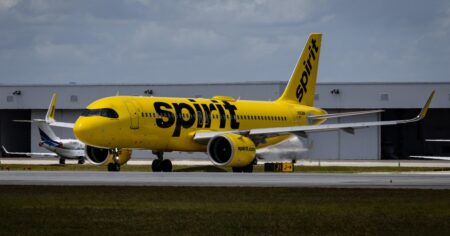
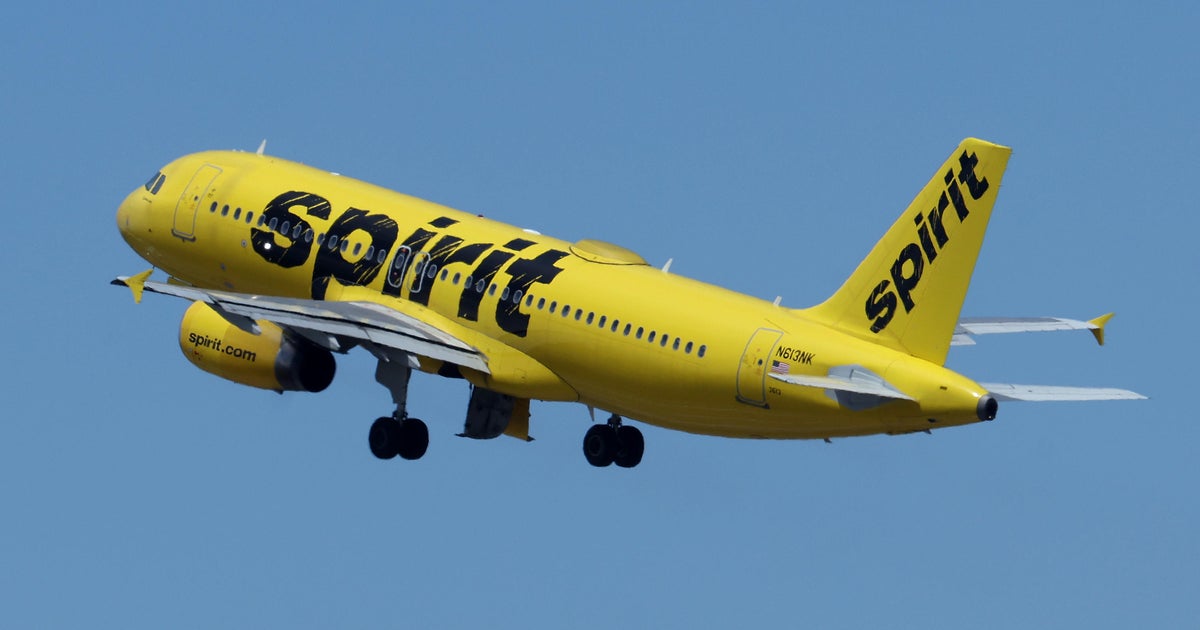
The Trump administration is seriously considering an unusual rescue plan for Spirit Airlines, the budget carrier that has found itself in dire financial straits. According to government officials who are familiar with the ongoing discussions, President Trump himself has expressed openness to federal intervention, publicly stating his willingness to take action “to save the jobs.” This potential bailout comes at a particularly challenging time for the airline industry, as Spirit has filed for bankruptcy twice within just two years. The company’s troubles were compounded when the Department of Justice blocked its proposed merger with JetBlue during the previous Biden administration, leaving Spirit without a clear path forward. Now, with the ongoing conflict with Iran driving up jet fuel costs across the entire airline industry, Spirit’s creditors have openly questioned whether the airline can survive at all. The situation has become so precarious that it has caught the attention of the highest levels of government, prompting creative thinking about how federal resources might be deployed to prevent the carrier’s collapse.
The Defense Production Act as an Economic Lifeline
The centerpiece of the proposed rescue involves invoking the Defense Production Act, a piece of emergency legislation that’s typically associated with wartime production needs rather than airline bailouts. This federal law, which dates back to the Korean War era, gives the government sweeping powers to compel private companies to prioritize government contracts and ramp up production of critical goods and services. However, the Act also includes provisions that could prove crucial for Spirit’s survival: it allows the government to provide loans to private firms when national defense interests are at stake. In Spirit’s case, the administration is exploring how these loan authorities could provide a much-needed financial lifeline. The proposed arrangement would involve the government lending Spirit approximately $500 million at a reasonable interest rate, positioning the federal government as the senior creditor in the bankruptcy proceedings. This would give the government first priority when it comes to repayment, ahead of other creditors. To protect taxpayers, the loan would be secured by Spirit’s assets, which officials believe would exceed the government’s investment. Additionally, the government would receive warrants giving it the right to own up to 90% of the restructured company once it emerges from bankruptcy protection.
A Multi-Agency Approach with Pentagon Involvement
Behind the scenes, multiple government agencies have been working on what a Spirit bailout might look like in practical terms. The Office of Management and Budget has been exploring various scenarios, with discussions involving both the Department of Commerce and the Pentagon. The military’s involvement isn’t just symbolic—there’s a concrete plan for how the Defense Department would utilize Spirit’s aircraft capacity. Under the proposal, the Pentagon would use Spirit’s planes for transporting troops, military cargo, and other defense-related missions, providing the airline with guaranteed government revenue while keeping its aircraft flying and its workforce employed. This military component helps justify the use of the Defense Production Act and frames the bailout as serving national security interests rather than simply rescuing a failed business. After stabilization, the airline would likely be sold to another carrier, ideally creating a smoother transition than an abrupt liquidation would allow. Commerce Secretary Howard Lutnick has been a strong advocate for moving forward with this plan, arguing that without government intervention, Spirit would almost certainly be liquidated, resulting in the loss of approximately 7,500 jobs—the airline’s direct workforce, not counting the broader economic ripple effects that would impact contractors, airport workers, and local economies dependent on Spirit’s operations.
A Company on the Brink of Collapse
The urgency of the situation became crystal clear during a bankruptcy hearing this week when it emerged that Spirit had missed a critical interest payment to its creditors. This seemingly technical detail had enormous implications: by missing that payment, Spirit effectively defaulted on its debtor-in-possession agreement, the special financing arrangement that’s been keeping the airline operating during bankruptcy proceedings. Creditors now have a seven-day window to initiate default actions, which prompted Spirit’s attorney to deliver a stark warning to the court—the airline may have only days left to continue operating. The financial picture is even more complicated than it appears at first glance. While Spirit technically has about $250 million in cash, that money isn’t actually available for the airline to use because creditors have placed liens on those funds. Without access to that restricted cash, Spirit’s usable cash reserves are running dangerously low, making it difficult to cover basic operational expenses like fuel, payroll, and airport fees. The government has already presented Spirit’s creditors with a term sheet outlining the proposed federal intervention and has been communicating with individual creditors to build support for the deal that would make the U.S. government the senior bondholder, effectively giving Washington the controlling position in Spirit’s financial restructuring.
Internal Debate and Political Calculations
Not everyone within the administration is enthusiastic about this unprecedented intervention. Transportation Secretary Sean Duffy has argued against the bailout, warning that it could create significant political problems for the administration and might simply postpone what he sees as the inevitable failure of an airline with a fundamentally flawed business model. This disagreement has created an unusual split within Trump’s cabinet, with Commerce Secretary Lutnick pushing forward while Transportation Secretary Duffy pumps the brakes. However, most Trump officials seem to agree on one key point: allowing an American company to collapse during wartime, especially as fuel costs continue climbing due to the Iran conflict, would send a terrible message and could have broader economic consequences. There’s also the matter of Spirit’s assets, which President Trump himself has mentioned publicly. The airline owns 48 planes outright and leases another 83 aircraft—a significant fleet that represents substantial value. Perhaps even more valuable are Spirit’s airport slots, particularly at congested airports where takeoff and landing times are strictly limited and therefore extremely precious. Trump has specifically noted that Spirit has “some very good slots too, which are pretty valuable,” suggesting he sees these assets as worth preserving rather than allowing them to be scattered in a liquidation sale.
Looking Ahead: A Test Case for Government Intervention
In early April, executives from Spirit and United Airlines approached White House officials with their own idea for handling Spirit’s demise, which included selling Spirit’s valuable slots at Newark Airport—one of United’s major hubs—as part of a liquidation plan. Trump administration officials quickly rejected this approach, preferring instead to keep those federal government-owned slots intact to make Spirit more attractive to a potential future buyer. White House spokesman Kush Desai issued a carefully worded statement acknowledging that “President Trump has openly expressed his interest in helping Spirit Airlines, and the Administration continues exploring possible options to ensure the airline remains in operation for its passengers and employees.” However, he also cautioned that reports about the specific “mechanism or structure of any deal between the federal government and Spirit Airlines, unless officially unveiled by the Administration, should be regarded as speculation.” This bailout proposal raises fundamental questions about the government’s role in the economy and when federal intervention is justified. The Trump administration is essentially arguing that Spirit’s failure during wartime would be problematic enough to warrant an extraordinary government rescue, using national defense legislation to save a budget airline that was already struggling before the current geopolitical crisis. Whether this approach succeeds will depend on reaching agreement with Spirit’s creditors in the extremely short timeframe before the airline runs out of cash entirely. The coming days will determine whether this creative use of the Defense Production Act becomes a successful template for corporate rescues or a controversial example of government overreach in the private sector.