
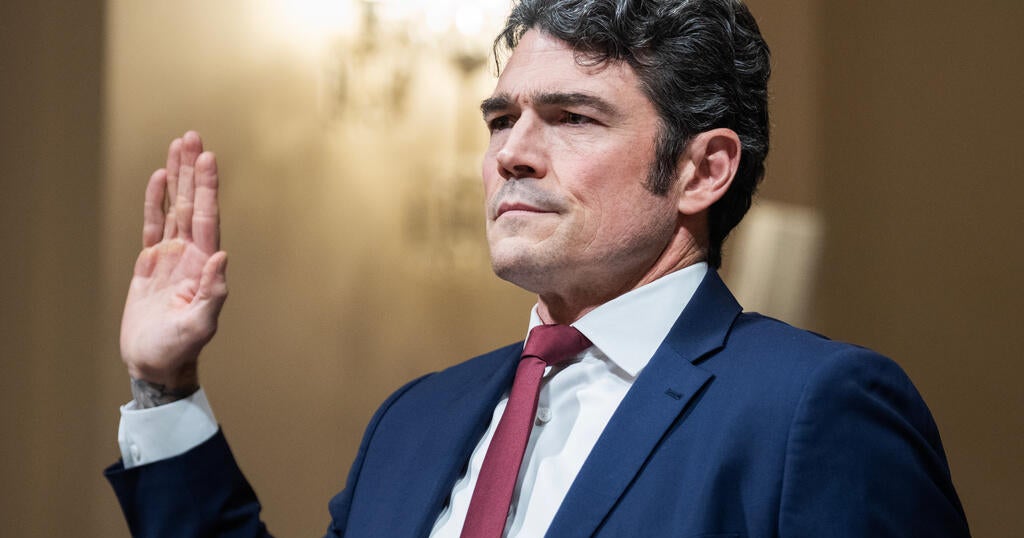

FBI Investigates Former National Counterterrorism Chief Over Alleged Classified Information Leaks
High-Profile Security Official Under Federal Scrutiny
In a development that has sent shockwaves through Washington’s national security community, federal investigators have turned their attention to one of America’s most senior counterterrorism officials. Joe Kent, who until recently served as the Director of the National Counterterrorism Center, is now the subject of an FBI investigation concerning the possible unauthorized disclosure of classified information. According to multiple sources who have direct knowledge of the ongoing investigation, this inquiry represents a serious matter that touches on the highest levels of America’s intelligence apparatus. The National Counterterrorism Center plays a crucial role in coordinating the nation’s efforts to identify and neutralize terrorist threats, making any potential security breach from within its leadership particularly concerning for national security professionals and government officials alike.
Timeline and Context of the Investigation
What makes this situation particularly complex is the timing of various events surrounding Kent and his departure from government service. Sources familiar with the matter have revealed that the FBI’s investigation into Kent actually began before he made the decision to resign from his position this week. This detail is significant because it suggests that the probe into potential classified information leaks was already underway independently of the circumstances that led to his resignation. Kent’s departure from the National Counterterrorism Center came amid his reported disagreements with how the Trump administration was managing the ongoing conflict with Iran, a situation that had been escalating tensions in the Middle East and raising concerns among foreign policy experts about the potential for a broader military confrontation. The investigation is being conducted by the FBI’s Criminal Division, indicating the serious nature of the allegations being examined, and sources indicate that investigators have been working on this case for a considerable period of time.
The Silence Surrounding the Case
As is typical in cases involving classified information and ongoing federal investigations, a wall of silence has descended around the specifics of what Kent allegedly leaked, to whom, and under what circumstances. The FBI, following its standard protocol for active investigations, has declined to provide any comment on the matter, neither confirming nor denying the existence of the probe. This lack of official acknowledgment is standard practice for the Bureau when dealing with sensitive investigations, particularly those involving current or former government officials with high-level security clearances. Similarly, Joe Kent himself has not immediately responded to requests for comment from journalists seeking to understand his perspective on the allegations. This silence from both the investigating agency and the subject of the investigation leaves many questions unanswered about the nature of the classified information allegedly involved, the circumstances under which it may have been disclosed, and what Kent’s defense might be against these serious allegations.
Understanding the Broader Implications
The investigation into a figure as prominent as the Director of the National Counterterrorism Center carries implications that extend far beyond Kent as an individual. The National Counterterrorism Center was established in the wake of the September 11, 2001 attacks and serves as the primary organization in the United States government for integrating and analyzing intelligence related to terrorism. The director of this center has access to some of the nation’s most closely guarded secrets, including intelligence sources and methods, ongoing operations, and sensitive diplomatic communications. Any unauthorized disclosure of such information could potentially compromise intelligence operations, endanger human sources, damage relationships with foreign intelligence partners, and even put lives at risk. The fact that someone at this level of the intelligence community is under investigation raises uncomfortable questions about vetting procedures, oversight mechanisms, and the challenges of maintaining information security even at the highest levels of government.
The Political Dimension
Kent’s resignation over his disagreements with the Trump administration’s Iran policy adds a political dimension to an already complicated situation. The intersection of his departure for policy reasons and the revelation of a pre-existing investigation into possible leaks creates a complex narrative that will likely fuel speculation and debate in Washington. Some will undoubtedly question whether the investigation is legitimate or whether it might be politically motivated, particularly given the contentious relationship between the Trump administration and various members of the intelligence community during that period. Others will point to the investigation as evidence of the serious consequences that can result when officials disagree with administration policy and potentially step outside proper channels to express their concerns or influence the debate. The Trump administration had been known for its aggressive pursuit of leakers and its contentious relationship with the intelligence community, which adds another layer of context to understanding how this investigation fits into the broader political landscape of that era.
Looking Forward: Questions That Remain
As this story continues to develop, numerous questions remain unanswered, leaving the public, Congress, and the national security community awaiting more information. What specific classified information was allegedly leaked? Was it related to counterterrorism operations, the Iran situation that led to Kent’s resignation, or something else entirely? Who were the recipients of any allegedly leaked information—was it members of the media, foreign governments, or other parties? What motivated the leaks, if they occurred—was it whistleblowing, policy disagreement, or something else? How far along is the FBI’s investigation, and what evidence have investigators gathered? Will charges eventually be filed, or will the investigation conclude without prosecution? These questions and many others will likely be answered only as the investigation progresses and potentially becomes public through legal proceedings or official statements. The case serves as a reminder of the constant tension in democratic societies between the need for government transparency and the legitimate requirements of national security, between the right of officials to raise policy concerns and their legal obligations to protect classified information, and between political disagreements and legal violations. As first reported by the news outlet Semafor and subsequently confirmed by CBS News through its own sources, this remains a breaking story that will undoubtedly generate significant attention as more details emerge about one of the most sensitive investigations into a high-ranking intelligence official in recent years.