
President Trump Nominates Dr. Nicole Saphier as New Surgeon General Pick
A Sudden Change in Leadership Selection
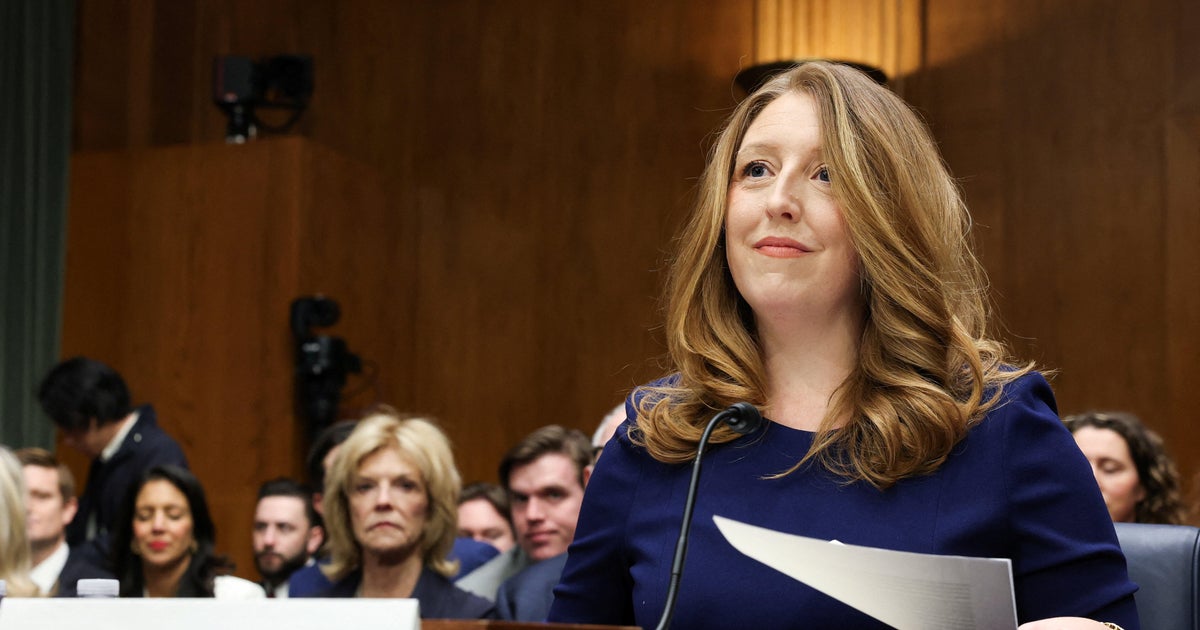
In a surprising turn of events that has sent ripples through Washington’s healthcare community, President Trump announced on Thursday that he’s switching his pick for the nation’s top doctor position. Dr. Nicole B. Saphier, a well-known radiologist and cancer specialist, is now the president’s choice to become the next U.S. Surgeon General, replacing his previous nominee Casey Means, whose confirmation process has been stuck in political limbo for months. The announcement came through two separate posts on Truth Social, where the president didn’t hold back his frustration with how things had unfolded. This nomination shake-up highlights the complex political dance that often surrounds high-level government appointments, especially when it comes to positions that directly impact public health policy and the wellbeing of millions of Americans.
The president’s decision to pivot to a new nominee wasn’t made quietly. In his characteristic direct style, Trump pointed the finger squarely at Senator Bill Cassidy of Louisiana, a Republican who also happens to be a medical doctor himself, for blocking Means’ path forward. Trump expressed his disappointment that Means, whom he described as a “strong MAHA Warrior” (referring to the “Make America Healthy Again” movement), couldn’t get past the political obstacles despite being recommended by Health Secretary Robert F. Kennedy Jr. The president made it clear that Kennedy understands this health movement better than almost anyone, adding with his typical flair that perhaps only he himself might understand it better. Despite the setback, Trump assured his supporters that Means would continue fighting for the MAHA agenda on various important health issues facing the country, just not from the surgeon general’s office.
Meet Dr. Nicole Saphier: From Fox News to Federal Nomination
Dr. Saphier brings impressive credentials to the table that extend well beyond her television appearances. She currently serves as a radiologist and the director of breast imaging at Memorial Sloan Kettering Cancer Center Monmouth, one of the most respected cancer treatment facilities in the country. Until her nomination was announced, she was a familiar face to millions of Americans as a medical contributor on Fox News Channel, where she helped translate complex medical topics into language everyday people could understand. Her communication skills, which the president enthusiastically praised in all capital letters as making her an “INCREDIBLE COMMUNICATOR,” have been honed through years of public engagement, including hosting her own health and wellness podcast called “Wellness Unmasked.”
What’s particularly interesting about Saphier’s background is that she’s already been thinking and writing about the “Make America Healthy Again” movement long before it became a central theme of this administration. Back in 2020, she authored a book with that exact title: “Make America Healthy Again: How Bad Behavior and Big Government Caused a Trillion-Dollar Crisis.” This suggests she’s philosophically aligned with the administration’s approach to healthcare reform and public health policy, which could smooth her path through the confirmation process where Means encountered significant resistance. President Trump highlighted her extensive work with both men and women dealing with various forms of cancer diagnoses and treatments, but gave special emphasis to her dedication to helping women navigate the frightening and complex journey through breast cancer diagnosis and treatment. Her advocacy for increased early cancer detection and prevention demonstrates a proactive approach to public health that resonates with many Americans tired of a healthcare system that often seems more focused on treating illness than preventing it.
Why Casey Means’ Nomination Fell Apart
Casey Means’ confirmation hearing back on February 25th should have been a routine step toward her becoming Surgeon General, but it quickly became clear that her path would be anything but smooth. Several controversial moments during her testimony raised red flags for senators who would ultimately decide her fate, particularly among those with medical backgrounds who understood the implications of her statements. One of the most contentious exchanges came when Means wouldn’t give a straightforward answer about whether she would encourage mothers to vaccinate their children—a stance that immediately put her at odds with mainstream medical consensus and alarmed public health advocates. Senator Cassidy, leveraging his experience as a practicing physician, along with other committee members, repeatedly emphasized the undeniable value of vaccines in saving countless lives over the decades, from polio to measles to more recent threats.
The vaccine question became even more problematic when Means was asked about any potential link between vaccines and autism, a thoroughly debunked theory that nonetheless persists in certain communities. Her response that “science is never settled” was technically true in the broadest philosophical sense—science is always evolving—but in the context of the vaccine-autism question, it suggested an unwillingness to acknowledge the overwhelming scientific consensus that no such link exists. This kind of ambiguity on such a critical public health issue made many senators uncomfortable about placing her in a position where she would be responsible for guiding the nation’s health policies and public messaging. Adding to the concerns were revelations that Means had publicly acknowledged experimenting with psychedelic drugs in her thirties, which, while increasingly common and less stigmatized than in previous generations, still raised eyebrows in the context of a confirmation hearing.
Perhaps most significantly, it came to light during the hearing that Means, though educated as a physician, does not currently hold an active medical license. This fact, pointed out during her confirmation testimony, raised fundamental questions about her qualifications for the role. While the Surgeon General doesn’t necessarily need to maintain an active clinical practice, the lack of a current license suggested to some senators a disconnect from the day-to-day realities of modern medical practice. The timing of her nomination also worked against her—President Trump had nominated her back in May 2025, but the confirmation hearing had to be delayed because she gave birth to her first child, adding months to a process that was already controversial and creating more time for opposition to build.
The Political Dynamics at Play
The clash between President Trump and Senator Cassidy over this nomination reveals deeper tensions within the Republican Party about the direction of healthcare policy and the role of traditional medical expertise in government. Cassidy, as both a senator and a doctor, represents a more conventional medical establishment perspective that emphasizes evidence-based medicine and the proven benefits of interventions like vaccines. His resistance to Means’ nomination wasn’t just political obstruction—it reflected genuine concerns about putting someone in the nation’s top public health communication role who seemed unwilling to defend basic public health measures that have saved millions of lives. The fact that this resistance came from within Trump’s own party made it particularly difficult for the president to overcome, as he couldn’t simply blame Democratic opposition for the holdup.
Trump’s reference to Senator Cassidy’s “intransigence and political games” suggests the president viewed this as unnecessarily difficult given that both he and Cassidy are Republicans who should theoretically be working toward common goals. However, the surgeon general position is unique in that it requires not just political alignment but also credibility within the medical community and the ability to communicate health information to the public in ways that promote wellbeing rather than confusion or controversy. The “Make America Healthy Again” movement, championed by Health Secretary Robert F. Kennedy Jr., has pushed for reevaluating many aspects of American healthcare, from food additives to pharmaceutical industry influence, but it has also raised concerns among mainstream medical professionals about whether it might undermine trust in proven public health measures. This nomination battle essentially became a proxy fight over how far the administration could push its healthcare agenda without losing the support of more traditionally-minded medical professionals within the Republican coalition.
Looking Ahead: What This Means for Public Health Policy
Dr. Saphier’s nomination represents what may be a more strategic approach by the administration—selecting someone who shares the philosophical alignment with the “Make America Healthy Again” movement, as evidenced by her 2020 book, but who also brings unimpeachable medical credentials and a track record of working within the mainstream medical establishment. Her experience at Memorial Sloan Kettering Cancer Center gives her institutional credibility that Means lacked, while her work in cancer prevention and early detection aligns with a more proactive approach to healthcare that enjoys broad support across the political spectrum. Her communication skills, honed through years of television appearances and podcast hosting, address one of the key requirements of the surgeon general role: being able to explain complex health issues to ordinary Americans in ways they can understand and act upon.
If confirmed, Saphier will face the challenging task of navigating between the administration’s desire to shake up conventional approaches to public health and the medical community’s insistence on maintaining support for proven interventions. Her success or failure in this role could significantly impact how Americans think about everything from cancer screening to nutrition to the role of government in promoting health. The vaccine question that tripped up Means will likely come up again in Saphier’s confirmation hearing, and her answer could either smooth her path forward or create new obstacles. Given her more established position within mainstream medicine, she may be better positioned to thread this needle, supporting the administration’s broader health agenda while not alienating the medical professionals and public health experts whose cooperation is essential for any surgeon general to be effective. The coming weeks will reveal whether the Trump administration has found the right balance with this nomination or whether the fundamental tensions between its health reform agenda and medical establishment concerns will continue to cause friction regardless of who fills this crucial position.