


Federal Judge Blocks Kennedy’s Controversial Childhood Vaccine Schedule Changes
A Legal Victory for Medical Organizations and Science-Based Policy
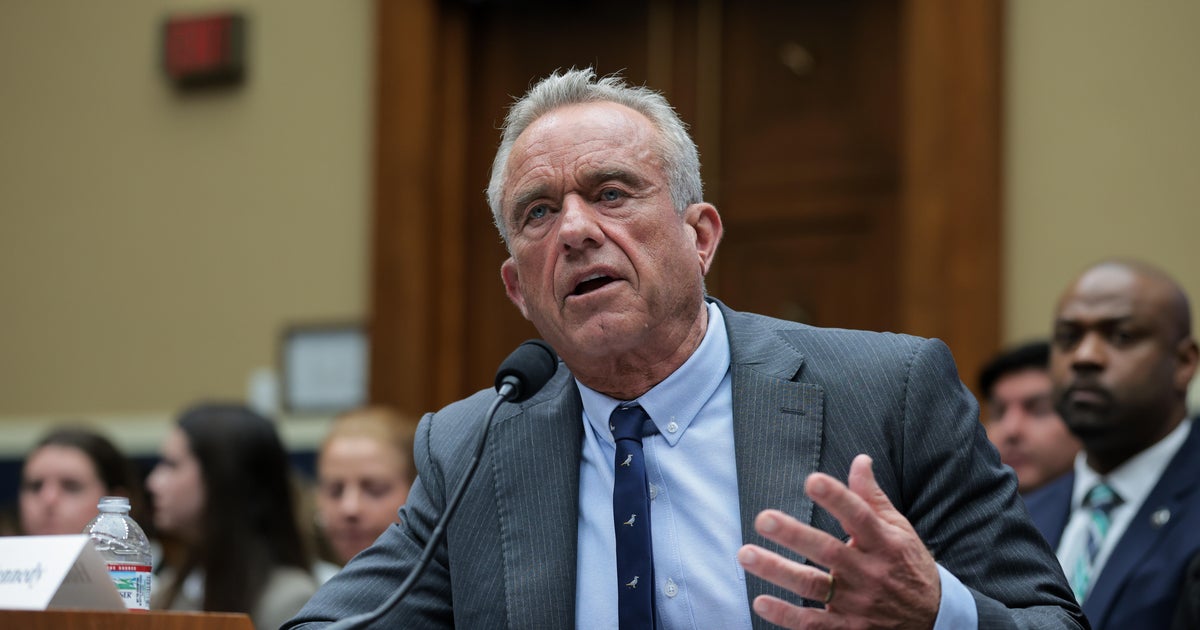
In a significant legal defeat for the Trump administration’s health policy overhaul, a federal judge has intervened to stop sweeping changes to America’s childhood vaccination recommendations. U.S. District Judge Brian Murphy, presiding in Boston, issued a ruling on Monday that halted controversial modifications to the vaccine schedule that had been championed by Health and Human Services Secretary Robert F. Kennedy and his allies. The decision represents a major victory for medical professionals and organizations who have been fighting to preserve science-based approaches to public health policy. Judge Murphy, appointed during the Biden administration, sided with the American Academy of Pediatrics and a coalition of other medical groups who challenged the legitimacy of Kennedy’s actions, arguing that the changes violated established federal procedures and disregarded decades of scientific consensus on childhood immunizations.
The lawsuit, which brought together doctors and medical organizations concerned about the direction of federal vaccine policy, centered on the argument that HHS’s decisions were “arbitrary and capricious” – legal terminology indicating that government actions lack a reasonable basis or proper justification. The plaintiffs successfully demonstrated that the administration had bypassed long-established protocols for evaluating and recommending vaccines, protocols that have protected American children from preventable diseases for generations. Judge Murphy’s ruling didn’t just question the substance of the changes; it fundamentally challenged the process by which they were implemented, finding that the government had “disregarded those methods and thereby undermined the integrity of its actions.” This distinction is crucial because it suggests that even if policymakers believe changes are necessary, they cannot simply ignore established legal procedures designed to ensure decisions are grounded in scientific evidence and expert consensus.
The Controversial Dismantling of Expert Vaccine Oversight
At the heart of this legal battle lies Kennedy’s dramatic restructuring of the Advisory Committee on Immunization Practices, known as ACIP, a body that has served as the cornerstone of American vaccine policy since its establishment in 1964. Shortly after his confirmation as HHS Secretary, Kennedy took the extraordinary step of firing all seventeen members of this expert committee, effectively wiping the slate clean of scientists and medical professionals who had been carefully vetted for their expertise in immunology, infectious diseases, and public health. This mass dismissal sent shockwaves through the medical community, as ACIP has traditionally been composed of individuals with deep technical knowledge and extensive experience in vaccine research and implementation. The committee’s recommendations have historically guided the Centers for Disease Control and Prevention in developing vaccination schedules that have contributed to the dramatic reduction of once-common childhood diseases.
Kennedy and his allies then replaced these experienced committee members with individuals whose qualifications have come under intense scrutiny. Judge Murphy noted in his ruling that even “under the most generous reading, only six appear to have any meaningful experience in vaccines” among the thirteen new appointees. This observation is particularly damning because it suggests that the selection process prioritized ideological alignment over scientific expertise. Several of the newly appointed members have publicly questioned established medical research on vaccines, raising concerns among health professionals that the committee’s recommendations might be influenced more by skepticism toward vaccination than by rigorous scientific analysis. The judge found that these new members were appointed without the thorough screening process that federal law requires, further undermining the credibility of any recommendations they might make. This departure from established norms represents not just a change in personnel but a fundamental shift in how vaccine policy decisions are made at the federal level.
Dramatic Reductions to Childhood Vaccination Recommendations
The practical implications of Kennedy’s restructuring became clear earlier this year when HHS announced significant cuts to the recommended childhood vaccine schedule. The number of recommended immunizations was reduced from seventeen to eleven, a reduction of more than one-third of previously recommended vaccines. Among the vaccines affected were those protecting against hepatitis A and hepatitis B, serious liver diseases that can cause long-term health complications and even death. Rather than recommending these vaccines for all children, the new guidance limited recommendations primarily to children considered to be in high-risk categories. This change raised immediate concerns among pediatricians and public health experts who worry that defining “high-risk” categories is often imprecise and that many children who would benefit from protection might fall through the cracks of such targeted approaches.
The revised schedule drew swift criticism from medical organizations who argued that the changes could create confusion among parents, healthcare providers, and public health officials about which vaccines children should receive. This confusion is particularly problematic because consistent, comprehensive vaccination programs have been one of public health’s greatest success stories, virtually eliminating diseases like polio, measles, and diphtheria that once killed or disabled thousands of American children annually. When vaccination rates drop due to uncertainty or mixed messages from authorities, communities become vulnerable to outbreaks of preventable diseases. Health groups warned that the new guidance could leave children vulnerable to serious illnesses that had been largely controlled through decades of systematic immunization efforts. The concern wasn’t merely theoretical—recent years have seen scattered measles outbreaks in communities where vaccination rates have declined, demonstrating how quickly these diseases can resurge when population immunity weakens.
The Judge’s Reasoning and Legal Standards
Judge Murphy’s decision rested on carefully articulated legal principles about how government agencies must operate when making decisions that affect public health. In his written opinion, the judge emphasized that “there is a method to how these decisions historically have been made—a method scientific in nature and codified into law through procedural requirements.” This statement underscores an essential principle of administrative law: government agencies cannot simply make decisions based on the preferences of political appointees; they must follow established procedures designed to ensure decisions are informed by relevant expertise and evidence. The judge found that the government had “bypassed” ACIP when updating the vaccine schedule, disregarding the committee’s “technical knowledge and expertise.” This bypassing violated the Administrative Procedure Act, which requires federal agencies to follow rational decision-making processes and consider relevant scientific evidence.
The ruling granted an injunction that halted multiple aspects of Kennedy’s vaccine policy overhaul. The government memo enacting the new vaccine schedule was blocked, meaning the previous, more comprehensive schedule remains in effect. The appointments of the thirteen new ACIP members were halted, and all votes they had taken were nullified. This comprehensive relief reflects the judge’s conclusion that the entire process was so fundamentally flawed that its results cannot stand. By invalidating not just the outcome but also the process that led to it, the court sent a clear message about the importance of following established procedures, particularly in matters affecting public health. The decision reinforces the principle that expertise and scientific evidence must guide health policy, not political ideology or personal beliefs about vaccination, regardless of how sincerely those beliefs might be held.
Reactions from Medical Community and Government Officials
The response to Judge Murphy’s ruling highlighted the deep divisions over vaccine policy that have emerged during the Trump administration’s second term. Dr. Andrew Racine, president of the American Academy of Pediatrics, issued a statement celebrating the decision as a victory for science-based medicine. “This decision effectively means that a science-based process for developing immunization recommendations is not to be trifled with and represents a critical step to restoring scientific decision-making to federal vaccine policy that has kept children healthy for years,” Racine said. His comments reflected the broader medical community’s relief that established procedures for vaccine recommendations would be preserved, at least temporarily. Pediatricians and public health professionals have been particularly concerned about the potential long-term consequences of politicizing vaccine policy, fearing that undermining public confidence in immunizations could reverse decades of progress in preventing childhood diseases.
The Trump administration, however, responded defiantly to the ruling. An HHS spokesman dismissed the decision and expressed confidence it would be overturned, saying the department “looks forward to this judge’s decision being overturned just like his other attempts to keep the Trump administration from governing.” This response frames the dispute as a matter of judicial interference with executive authority rather than as a question of following proper procedures and respecting scientific expertise. The comment also suggests that this legal battle is far from over, as the administration will likely appeal the decision to higher courts. In the immediate aftermath of the ruling, HHS postponed an upcoming ACIP meeting that had been scheduled for later in the week, indicating that the department is reassessing its approach in light of the legal setback. The clash between the administration and the judiciary over vaccine policy reflects broader tensions about the role of expertise in policymaking and the limits of executive authority when it comes to public health decisions that affect millions of American families.