


Federal Judge Blocks Trump’s NPR and PBS Funding Cut as Unconstitutional
Court Ruling Protects First Amendment Rights of Public Broadcasters
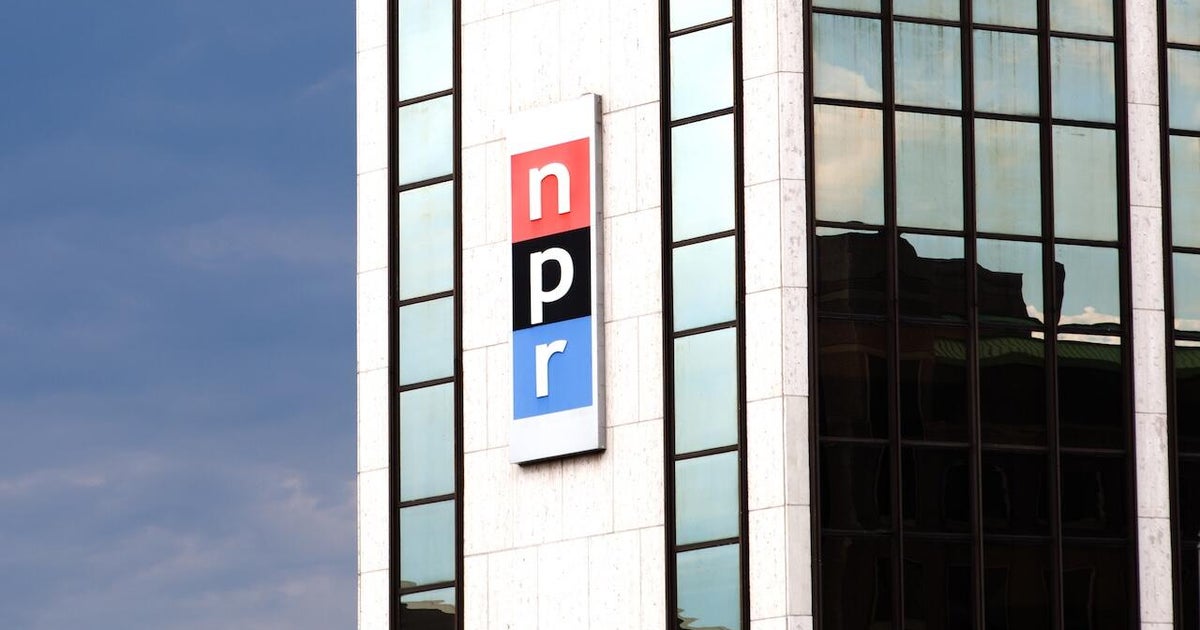
In a significant victory for press freedom, a federal judge has ruled that President Trump’s attempt to strip funding from National Public Radio (NPR) and the Public Broadcasting Service (PBS) violated the First Amendment. U.S. District Judge Randolph Moss issued a permanent injunction on Tuesday blocking key provisions of an executive order signed by the president last May. The 62-page decision made it clear that the government cannot use its financial power as a weapon to punish news organizations for coverage it finds unfavorable. Judge Moss didn’t mince words in his ruling, stating that the president’s directive sent an unmistakable message: NPR and PBS were being excluded from any federal benefits simply because President Trump disapproved of what he characterized as their “left wing” news coverage. The judge emphasized that this type of viewpoint discrimination and retaliation is something the First Amendment simply will not tolerate, regardless of who occupies the Oval Office.
The Executive Order and Its Far-Reaching Impact
The executive order in question did more than just target NPR and PBS directly. It instructed all federal agencies across the government to terminate any funding flowing to these two public broadcasting institutions. Additionally, it directed the Corporation for Public Broadcasting, which has historically served as the primary conduit for public dollars to these outlets, to cease all funding to them. The ripple effects of this order were substantial and immediate. According to court documents, multiple federal agencies took action following the president’s directive—the National Endowment for the Arts, FEMA, and the Department of Education all moved to cancel grants that had already been awarded to PBS and NPR. The situation became even more dire when Congress passed legislation, which President Trump signed, that clawed back approximately $1 billion from the Corporation for Public Broadcasting for fiscal years 2026 and 2027. Following this financial blow, the Corporation for Public Broadcasting announced it would wind down operations and subsequently filed Articles of Dissolution, effectively signaling the end of an institution that had supported public broadcasting for decades.
Long-Standing Political Tensions Over Media Coverage
The conflict between President Trump and public broadcasting outlets isn’t new—it represents years of accumulated grievances from the president and his Republican allies. They have consistently criticized NPR and PBS over what they claim is biased reporting that unfairly targets conservatives while giving favorable treatment to liberal politicians and causes. Last year, President Trump escalated his rhetoric significantly, characterizing these news organizations as nothing less than “arms of the Radical Left Democrat Party.” This framing positioned NPR and PBS not as independent journalistic institutions striving for objectivity, but as partisan political actors working on behalf of his opponents. This characterization became the foundation for his argument that these organizations didn’t deserve taxpayer funding. The president’s supporters have long argued that it’s fundamentally unfair for American taxpayers, many of whom are conservatives, to fund news organizations they believe consistently work against their interests and misrepresent their viewpoints. From their perspective, cutting funding to these outlets was simply a matter of fiscal responsibility and fairness, not an attack on press freedom.
The Legal Battle and Constitutional Arguments
When NPR and PBS, along with several member stations, filed lawsuits in late May challenging the executive order, they set up a fundamental constitutional showdown. The Justice Department, defending the president’s actions, argued that he was well within his authority to order federal agencies to end funding for these organizations. Their legal theory rested on the principle that the president has broad discretion to decide what speech the government chooses to fund—essentially arguing that funding decisions are a form of government speech, and the government isn’t required to support messages it disagrees with. However, Judge Moss systematically dismantled this argument in his ruling. He drew a clear distinction between the government making neutral funding decisions based on programmatic criteria and the government singling out specific speakers for punishment based on their viewpoint. The judge noted that the executive order didn’t establish neutral standards that would apply to all applicants for federal programs. Instead, it specifically named two organizations and excluded them from eligibility for any federal funding solely because of the content of their journalism. This targeting, Moss explained, crossed a constitutional line that protects speakers from government retaliation.
Evidence of Viewpoint Discrimination
Judge Moss’s ruling included particularly strong language about the evidence of unconstitutional intent behind the executive order. He wrote that it would be “difficult to conceive of clearer evidence that a government action is targeted at viewpoints that the President does not like and seeks to squelch.” The judge found that as long as the executive order remained in effect, NPR and PBS would be automatically excluded from consideration for grants they would otherwise qualify for, with their exclusion based entirely on the president’s dislike of their news coverage. The ruling emphasized that the directive specifically sought to punish these outlets for their past speech—their historical coverage patterns that the president found objectionable. According to the court’s analysis, the executive order essentially punished NPR and PBS because the president believed they had provided more positive coverage of his political opponents than of his own party and allies, because he viewed their news coverage as leaning left, and because they had been critical of him personally. The judge stated there could be “no doubt” that the measure targeted these organizations because President Trump believed their coverage was unfavorable to him and the Republican Party.
Balancing Presidential Prerogatives with Constitutional Limits
In what might be the most important passage of his decision, Judge Moss acknowledged the president’s rights while firmly establishing their limits. He wrote: “To be sure, the President is entitled to criticize this or any other reporting, and he can express his own views as he sees fit. He may not, however, use his governmental power to direct federal agencies to exclude Plaintiffs from receiving federal grants or other funding in retaliation for saying things that he does not like.” This distinction gets to the heart of First Amendment protections in a democratic society. Presidents, like all Americans, have the right to speak their minds, criticize the press, and express their displeasure with media coverage they find unfair or inaccurate. What they cannot do is leverage the powers of government—including control over federal funding—to punish news organizations for journalism they dislike. The ruling reinforces a fundamental principle: the government’s power of the purse cannot be weaponized against speech, even speech that government officials find offensive, biased, or politically motivated. This decision has implications far beyond NPR and PBS. It establishes important precedent about the limits of executive power when it comes to media relations and sets boundaries that protect journalistic independence from government interference. While the political debate over media bias and the appropriate use of taxpayer funds will undoubtedly continue, this ruling makes clear that whatever solutions policymakers pursue must respect constitutional protections for free speech and press freedom, even when—especially when—that speech is critical of those in power.