


Kamala Harris Hints at Potential 2028 Presidential Run
Breaking Her Silence: Harris Returns to the Political Spotlight
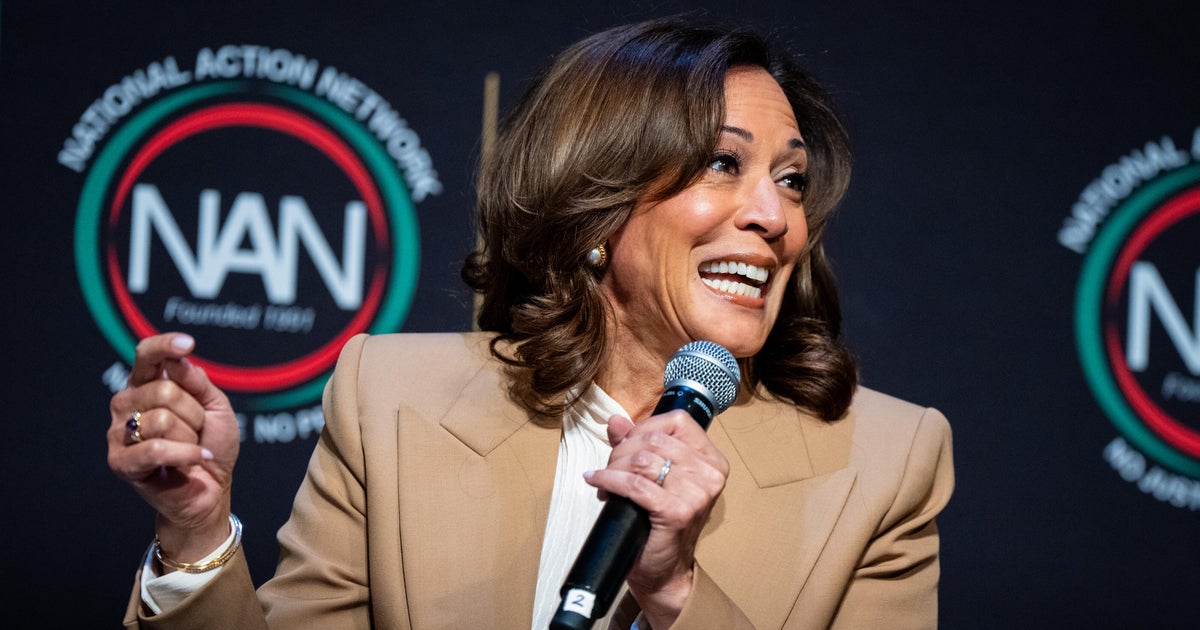
After months of maintaining a relatively quiet presence following her defeat in the 2024 presidential election, former Vice President Kamala Harris has reemerged with a significant announcement that has sent ripples through the Democratic Party and the broader political landscape. Speaking at the National Action Network’s conference in Manhattan on Friday, Harris openly acknowledged that she is seriously considering another run for the White House in 2028. Her candid response came during a conversation with the Rev. Al Sharpton, a prominent civil rights leader and political commentator, who directly asked her about her presidential ambitions. “Listen, I might. I’m thinking about it,” Harris said, her words carrying the weight of someone who has spent considerable time reflecting on both her past experiences and the future direction of the country. This straightforward admission marks a notable shift from the low-profile approach she has taken since her electoral loss to President Trump, and it signals that Harris may not be ready to step away from the national political stage just yet.
Drawing on Experience: The Credentials of a Former Vice President
In explaining her rationale for potentially pursuing another presidential campaign, Harris leaned heavily on her extensive experience serving at the highest levels of government. She emphasized the unique perspective she gained during her four years as Vice President, painting a vivid picture of her intimate familiarity with the demands and responsibilities of the presidency. “I served for four years being a heartbeat away from the presidency of the United States. I spent countless hours in my West Wing office, footsteps away from the Oval Office. I spent countless hours in the Oval Office, in the Situation Room,” Harris told the audience, her words underscoring the depth of her preparation for the nation’s highest office. This emphasis on experience represents a crucial component of any potential campaign strategy, as it positions her as someone who doesn’t need on-the-job training but rather comes with a proven track record of working at the executive level. Her reference to time spent in the Situation Room—the secure conference room in the White House where presidents and their top advisors handle national security crises—serves as a powerful reminder of her involvement in the most sensitive and consequential decisions facing the nation. “I know what the job is. And I know what it requires,” she declared, a statement that seems designed to address any questions about her readiness for the presidency.
Connecting with Americans: A Journey Through a Nation Seeking Change
Beyond her credentials and experience, Harris spoke about the insights she has gained from extensive travel throughout the United States over the past year, particularly highlighting her time spent in the South and other regions. This ground-level engagement with everyday Americans appears to have reinforced her belief that significant change is needed in how the country is being governed. “I’ve been traveling in the country the last year, I’ve been spending a lot of time in the South and many other places,” Harris explained, suggesting that she has been actively listening to voters and understanding their concerns, frustrations, and hopes for the future. Her assessment of what she heard during these travels was unequivocal: “The one thing I’m really clear about also is, the status quo is not working, and hasn’t been working for a lot of people for a long time.” This populist message of dissatisfaction with the current state of affairs could become a central theme of any future campaign, positioning Harris as an agent of change rather than a continuation of past policies. The emphasis on the South is particularly noteworthy, as Democrats have long sought to expand their competitiveness in this traditionally conservative region, and Harris’s focus on these states suggests a strategic thinking about how to build a winning coalition in 2028.
A History of Presidential Ambitions: Learning from Past Campaigns
Harris’s potential 2028 run would mark her third attempt at securing the presidency, following a complex political journey that has seen both setbacks and achievements. Her first presidential campaign came in 2020 when she entered a crowded Democratic primary field with considerable fanfare and high expectations. As a sitting senator from California and a former attorney general of the nation’s most populous state, she was viewed by many as a top-tier candidate who could unite different factions of the Democratic Party. However, that campaign struggled to gain traction, facing challenges with fundraising, message consistency, and campaign organization, ultimately leading her to withdraw from the race before the Iowa caucuses even took place. Despite this initial setback, her political fortunes changed dramatically when Joe Biden, who went on to secure the Democratic nomination, selected her as his running mate. This decision made history, as Harris became the first woman, first Black person, and first person of South Asian descent to serve as Vice President of the United States. Her second presidential run came in 2024 under extraordinary circumstances, when she replaced President Biden at the top of the Democratic ticket. The circumstances of that campaign—taking over late in the election cycle and inheriting a campaign infrastructure built for another candidate—presented unique challenges. Ultimately, she lost to President Trump in the general election, a defeat that prompted questions about her political future and whether she would retreat from national politics or continue to fight for her vision of America’s future.
Strategic Positioning: The California Decision and 2028 Calculations
Since her 2024 defeat, Harris has been notably selective about her public appearances and political activities, a period of reflection that many political observers saw as critical to determining her next moves. One of the most significant decisions she made during this time was to pass on running for governor of California, a position that came open and would have been a natural landing spot for someone of her stature and name recognition in the state. Her decision to forgo that race was widely interpreted as a strong signal that she might be keeping her options open for another presidential campaign. Running for and serving as governor would have made a 2028 presidential campaign extremely difficult from a practical standpoint, as she would have been in the early stages of leading the nation’s most populous state with its myriad complex challenges. By stepping back from the gubernatorial race, Harris maintained her flexibility and avoided being tied down to state-level responsibilities that could have limited her ability to travel, fundraise, and build the national network necessary for a presidential campaign. This strategic decision has now been vindicated by her public acknowledgment that she is seriously considering a 2028 run, confirming what many political insiders had suspected about her long-term ambitions.
Looking Ahead: The Road to 2028 and the Democratic Party’s Future
As Harris weighs her decision about whether to mount another presidential campaign, the Democratic Party finds itself at a crossroads, searching for leadership and direction following its 2024 defeat. The 2028 primary field is expected to be wide open, with numerous Democrats likely to explore their own presidential ambitions. Harris enters this potential field with significant advantages, including name recognition, an established donor network, and the experience of having run national campaigns before. However, she also carries the baggage of having lost a general election and having struggled in her first primary campaign. The question of whether Democratic voters will be ready to give her another chance, or whether they will prefer to turn to a new generation of leaders, remains unanswered. Her emphasis on experience and her time as Vice President suggests she believes there is an appetite for someone who has been tested at the highest levels, someone who can step into the Oval Office on day one without a learning curve. Meanwhile, her message about the status quo not working and her extensive listening tour suggests she understands the need to present a forward-looking vision that addresses the concerns of ordinary Americans who feel left behind by the current system. Whether this combination of experience and change will resonate with Democratic primary voters in 2028 remains to be seen, but Harris has now made clear that she intends to be part of that conversation, that she hasn’t given up on her dream of becoming the first woman president of the United States, and that she believes she has both the qualifications and the message to win. The coming months will likely see her testing the waters more actively, gauging support among key Democratic constituencies, and ultimately making a final decision about whether to officially enter what promises to be a highly competitive and consequential race for the White House.