


Trump Administration Orchestrates Major Kennedy Center Shutdown and Restructuring
A Two-Year Closure Sparks Controversy
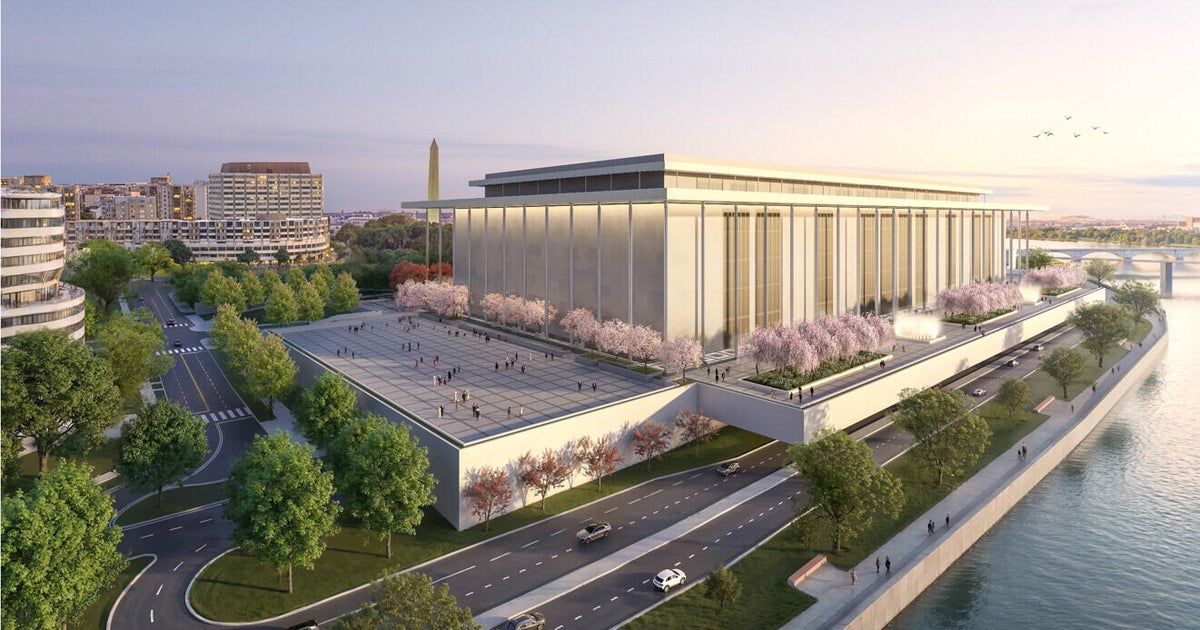
The Kennedy Center, Washington D.C.’s premier performing arts venue, is facing an unprecedented two-year closure following a contentious board vote on Monday. This dramatic decision comes at the direction of President Trump, who has been pushing for what he describes as a comprehensive renovation of the iconic cultural institution. The closure, set to begin after the July 4th celebrations this summer, represents the most significant disruption in the center’s history since it first opened its doors. President Trump has framed the shutdown as necessary maintenance, telling White House reporters that the goal is to “ensure it remains the finest performing arts facility of its kind anywhere in the world.” However, the move has ignited fierce debate in Washington, with congressional Democrats and members of the arts community viewing it as part of a broader political takeover of an institution that has long served as a symbol of America’s commitment to cultural excellence and artistic freedom.
The Trump Transformation of a Cultural Landmark
The Kennedy Center’s transformation under Trump’s influence began shortly after he returned to office last year. In a series of sweeping changes, the president ousted the center’s existing leadership and installed a hand-picked board of trustees, positioning himself as chairman. The board, now dominated by Trump appointees, voted to rename the facility the “Trump-Kennedy Center,” a controversial decision that legal scholars and lawmakers argue requires congressional approval rather than a simple board vote. Despite these concerns, the administration proceeded to physically add Trump’s name to the building’s iconic facade. The president brought in Richard Grenell, a loyal ally who served in various roles during Trump’s first term, to oversee the institution as CEO and executive director. Under Grenell’s leadership, the center’s programming shifted noticeably toward Trump-friendly content, including hosting the premiere of first lady Melania Trump’s documentary. This dramatic reshaping of the Kennedy Center’s identity and mission has raised fundamental questions about the proper relationship between political power and cultural institutions that are meant to serve all Americans regardless of party affiliation.
Artists Rebel Against Political Interference
The response from the artistic community has been swift, vocal, and nearly universal in its condemnation. Following the renaming announcement and the broader changes to the center’s leadership and direction, a wave of high-profile cancellations swept through the Kennedy Center’s calendar. Acclaimed actor Issa Rae, renowned musician Bela Fleck, and bestselling author Louise Penny were among the numerous artists who withdrew from scheduled appearances, refusing to lend their talents to what they perceived as a politicized institution. The exodus extended beyond performers to include consultants and advisors who had worked closely with the center. Musician Ben Folds and celebrated opera singer Renée Fleming, both of whom had served in advisory capacities, resigned their positions in protest. Perhaps most significantly, Jean Davidson, the executive director of the National Symphony Orchestra—one of the Kennedy Center’s resident companies—departed earlier this month to lead the Wallis Annenberg Center for the Performing Arts in Los Angeles. Grenell dismissed these departing artists as “far-left political activists” who had been “booked by the previous far-left leadership,” a characterization that many in the arts world found insulting and emblematic of the administration’s dismissive attitude toward the concerns of professional artists and cultural leaders.
Legal Challenges and Democratic Opposition
The Kennedy Center board’s actions have not gone unchallenged in the courts or in Congress. Representative Joyce Beatty, an Ohio Democrat who serves as an ex officio member of the board, filed a lawsuit to prevent the Trump administration from excluding her from Monday’s critical board meeting. While a federal judge ruled over the weekend that Beatty was entitled to participate in the meeting, the court stopped short of requiring the board to allow her to vote on the matters at hand. This legal maneuvering highlights the constitutional tensions surrounding the Kennedy Center’s governance structure, which includes both presidential appointees and congressional representatives. The board announced that the vote to approve the two-year closure was unanimous, though this claim is complicated by the fact that Representative Beatty did not cast a vote—whether by choice or by restriction remains a point of contention. Congressional Democrats have been vocal in their criticism of Trump’s takeover of the institution, arguing that the Kennedy Center was established as a living memorial to President John F. Kennedy and should remain above partisan politics. They contend that the renaming, the leadership purge, and now the extended closure represent an abuse of presidential power and a fundamental misunderstanding of the center’s purpose as a gift to the American people rather than a political tool.
New Leadership and an Uncertain Future
In Monday’s board meeting, members also voted to replace Richard Grenell with Matt Floca as the Kennedy Center’s CEO and executive director. President Trump acknowledged the leadership change graciously, describing Grenell as a longtime friend and wishing Floca “good luck with everything.” Floca’s appointment represents something of a departure from the pattern of installing political loyalists in key positions. According to his LinkedIn profile, Floca joined the Kennedy Center in January 2024 during the Biden administration, working his way up to vice president of operations. His background is distinctly technical rather than political—he’s described as “an experienced facilities management professional with a construction management background and an appreciation for whole building design principles.” Prior to joining the Kennedy Center, Floca held various positions with the District of Columbia government, including associate director of sustainability and energy and director of facilities management. He holds a Bachelor of Science degree in construction management from Louisiana State University, earned in 2009. His expertise in building management and sustainability might seem well-suited to overseeing a major renovation project, though many observers wonder whether someone with his profile will have the independence to resist political pressure or the cultural expertise to restore the center’s reputation in the arts community. Before departing, Grenell reportedly warned staff about impending cuts that would reduce the operation to “skeletal teams,” raising concerns about how many employees will lose their jobs during the two-year closure.
The Battle for America’s Cultural Soul
The Kennedy Center controversy reflects broader tensions in American society about the role of cultural institutions in a polarized political environment. The performing arts center was established by Congress in 1958 as a living memorial to President Kennedy and as the nation’s cultural center, meant to showcase the best of American and international performing arts to audiences from across the country and around the world. For decades, it operated with bipartisan support as a space where Americans of all political persuasions could come together to experience theater, music, opera, and dance. The Trump administration’s transformation of this institution—renaming it, reshaping its programming, and now closing it for an extended period—represents a fundamental challenge to the idea that some spaces should remain neutral ground in our culture wars. Critics argue that Trump is converting a national treasure into a partisan venue, while supporters contend that the center had already been captured by liberal elites and is simply being rebalanced. The two-year closure raises practical questions about the future of the resident companies, including the National Symphony Orchestra, and whether artists and audiences will return once the renovated facility reopens. Beyond these operational concerns lies a more profound question: Can the Kennedy Center, once reopened with Trump’s name prominently displayed on its facade, ever again serve as a genuinely inclusive national institution that welcomes all Americans? The answer to that question may not be known until long after the renovation is complete and perhaps not until after Trump himself has left the political stage. What seems certain is that this controversy has inflicted damage on the institution that will take years, if not decades, to repair, regardless of how impressive the physical renovations might be.