


Attack on OpenAI CEO’s Home: What We Know About the Molotov Cocktail Incident
The Early Morning Attack That Shook Silicon Valley
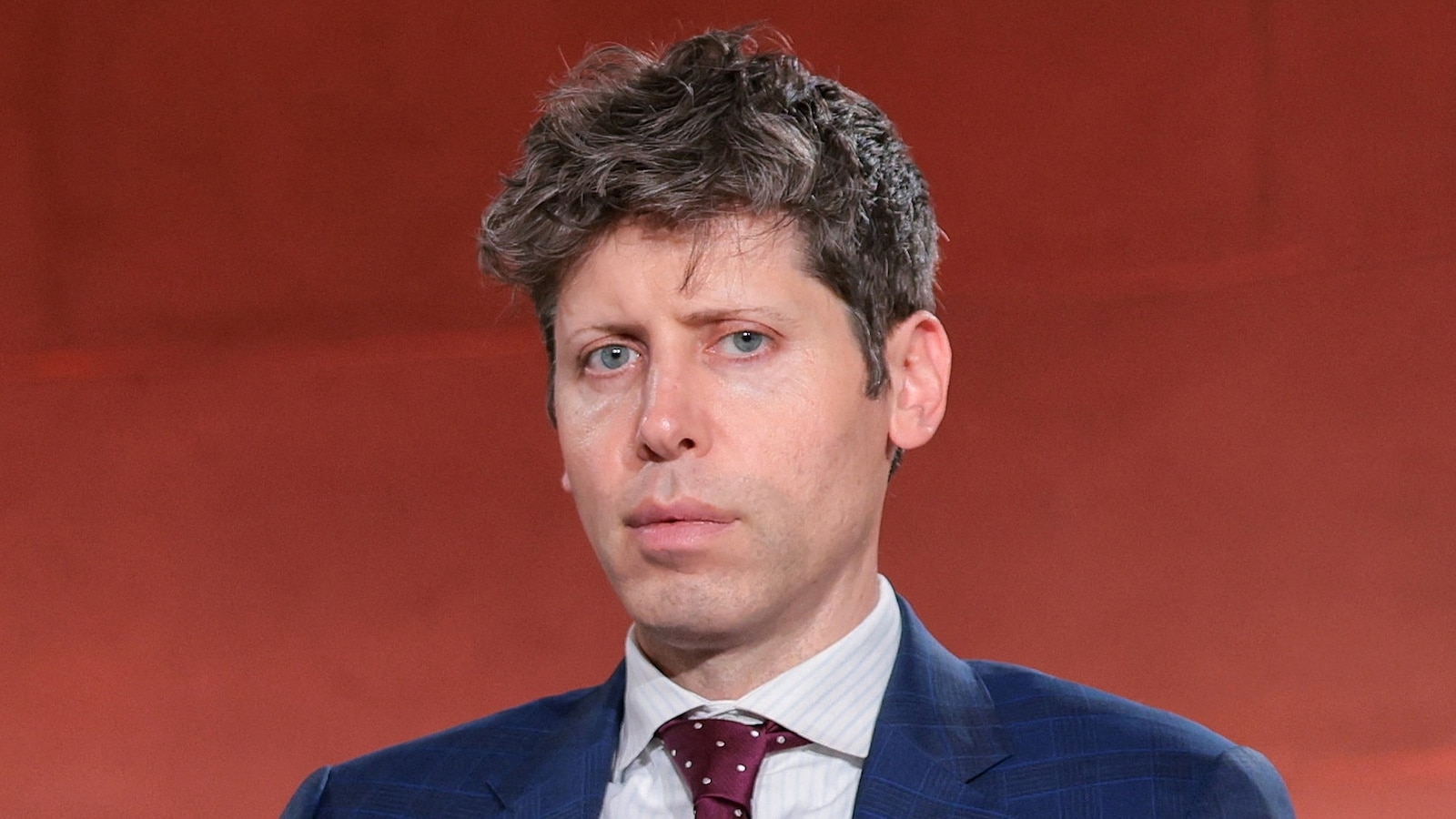
In the predawn hours of a Friday morning, the tranquility of a San Francisco neighborhood was shattered when a 20-year-old man allegedly hurled a Molotov cocktail at the residence of Sam Altman, the high-profile CEO of OpenAI. The incident, which occurred around 4 a.m., ignited a fire on an exterior gate of the property, sending shockwaves through the tech community and raising serious questions about the safety of executives in the increasingly contentious artificial intelligence industry. While fortunately no one was injured in the attack, the brazen nature of the assault has left both law enforcement and the tech world grappling with its implications. The San Francisco Police Department responded swiftly to the scene, where they discovered evidence of an incendiary destructive device having been thrown at the home. According to police reports, the suspect didn’t linger at the scene but instead fled on foot immediately after the attack, disappearing into the early morning darkness as flames began consuming the gate.
A Suspect’s Trail Leads to OpenAI Headquarters
What makes this case particularly alarming is the sequence of events that unfolded in the hour following the initial attack. After officers dispatched a description of the suspect who had targeted Altman’s home, another emergency call came in around 5 a.m.—this time from OpenAI’s headquarters itself. Police responded to reports of a man making threatening statements about burning down a building at the company’s offices. When officers arrived at the scene, they immediately recognized the individual as matching the description of the suspect from the earlier Molotov cocktail attack at Altman’s residence. This connection between the two incidents painted a troubling picture of someone potentially fixated on both the CEO personally and the company he leads. The 20-year-old was promptly arrested by San Francisco police, though as of now, formal charges remain pending while investigators work to piece together the full scope of the incident and determine the appropriate legal response. The San Francisco District Attorney’s Office has indicated that it may take until next week before officials decide whether this will be prosecuted as a local crime or escalated to the federal level, a decision that will likely hinge on the motive behind the attack and whether it meets the threshold for terrorism-related charges.
Investigating the Why Behind the Violence
Perhaps the most pressing question surrounding this incident is the simplest yet most complex: why? Sources with knowledge of the ongoing investigation have told ABC News that authorities are working diligently to understand what motivated this dangerous attack, but so far, the picture remains frustratingly unclear. Investigators are exploring multiple potential explanations, each with its own troubling implications. One line of inquiry involves determining whether this was a mental health crisis that escalated into violence—a possibility that would raise questions about how individuals in crisis gain access to weapons and fixate on high-profile figures. Another avenue being explored is whether the suspect might be a disgruntled current or former OpenAI employee who felt wronged by the company or its leadership, though no evidence has been made public to support this theory. Perhaps most concerning is the third possibility investigators are examining: that this could represent a form of domestic terrorism motivated by ideological opposition to artificial intelligence development. As AI technology has advanced rapidly, particularly with OpenAI’s groundbreaking work on systems like ChatGPT, a vocal contingent of critics has emerged, some expressing extreme views about the existential threat they believe AI poses to humanity. Whether this attack represents the violent extreme of that opposition remains to be determined.
The Company and Community Response
In the aftermath of the attack, OpenAI moved quickly to reassure its employees and the public that the situation was under control and that there was no ongoing threat to its office locations. The company released a statement expressing deep gratitude for the rapid response of the San Francisco Police Department and the support provided by city officials in ensuring employee safety. OpenAI also confirmed that it is cooperating fully with law enforcement in their investigation, providing whatever assistance might help bring clarity to the incident and ensure justice is served. The response from Sam Altman himself was particularly noteworthy for its measured tone and appeal for de-escalation. Rather than responding with anger or calls for harsh punishment, Altman published a lengthy blog post on Friday in which he shared a photograph of his family. His reasoning for this personal disclosure was both touching and strategic—he expressed hope that putting a human face on the impact of such violence might dissuade others from similar actions, regardless of their feelings about him personally or professionally. In his post, Altman acknowledged the heated debates surrounding the development of Artificial General Intelligence, the ambitious goal of creating AI systems with human-like general intelligence. However, he called for a collective effort to “de-escalate the rhetoric and tactics” in these discussions, urging all parties to work toward having “fewer explosions in fewer homes, figuratively and literally.”
A Multi-Agency Investigation Unfolds
The seriousness with which authorities are treating this incident is evident in the resources being dedicated to the investigation. The San Francisco Police Department has assigned the case to its Special Investigations and Arson Units, two specialized divisions with expertise in handling complex criminal cases and incidents involving incendiary devices. These units bring technical knowledge about accelerants, explosive devices, and arson investigations that will be crucial in building a comprehensive case against the suspect. Additionally, the Federal Bureau of Investigation has announced its awareness of the incident and confirmed that it is working in coordination with San Francisco police. The FBI’s involvement suggests that federal authorities are at least considering the possibility that this incident could fall under federal jurisdiction, particularly if it’s determined to be an act of terrorism or if it involved the crossing of state lines or other factors that would make it a federal matter. This multi-agency approach ensures that investigators have access to the full range of resources, expertise, and legal tools needed to thoroughly examine every aspect of the case. The collaboration between local and federal law enforcement also provides flexibility in how charges might ultimately be filed, allowing prosecutors to pursue whatever legal avenue offers the most appropriate response to the crime.
Silicon Valley Safety and the Future of Tech Leadership
This incident has cast a spotlight on a growing concern in Silicon Valley and the broader tech industry: the personal safety of executives and leaders whose companies are at the forefront of controversial or rapidly advancing technologies. While tech CEOs have long been public figures subject to both admiration and criticism, the targeting of Altman’s home with a potentially deadly weapon represents a dangerous escalation. It raises uncomfortable questions about the price of leadership in industries that some view as threatening to jobs, privacy, or even human existence. The attack also comes at a particularly fraught moment for the AI industry, which has seen both extraordinary advances and intense public debate about the implications of this technology. OpenAI, under Altman’s leadership, has been at the center of this revolution, creating systems that have amazed users with their capabilities while simultaneously raising concerns about job displacement, misinformation, and existential risk. As these debates continue and intensify, the tech community must now grapple with how to ensure robust discussion and legitimate criticism doesn’t spill over into violence. For Altman and other AI leaders, this incident serves as a sobering reminder that their work exists not just in laboratories and boardrooms but in a real world where passions run high and some individuals may respond to disagreement with dangerous extremism. Moving forward, the resolution of this case—including what charges are filed and what motivated the attack—will likely influence how both the industry and law enforcement approach the security challenges facing tech leaders in an age of unprecedented technological change and societal debate.