
Astronauts’ Surprising Space Snacks: What the Artemis II Crew Really Ate on Their Historic Mission
From Tang to Nutella: How Space Food Has Evolved
The image of astronaut food has long been associated with freeze-dried ice cream and tasteless, vacuum-sealed packets that require imagination to enjoy. While it’s true that space cuisine has traditionally been notoriously bland and specifically engineered to avoid creating crumbs that could float dangerously around the spacecraft cabin, modern space travel has brought some surprisingly normal – and even indulgent – food options along for the ride. The Artemis II mission, which recently made history by sending humans farther from Earth than ever before, revealed that astronauts are enjoying much more variety and flavor than their predecessors from the Apollo era. From chocolate treats to hazelnut spreads, today’s space travelers are experiencing comfort foods that make their extraordinary journey feel just a little more like home, even when they’re hundreds of thousands of miles away from it.
The Post-Splashdown Celebration: Peanut M&Ms in the Pacific
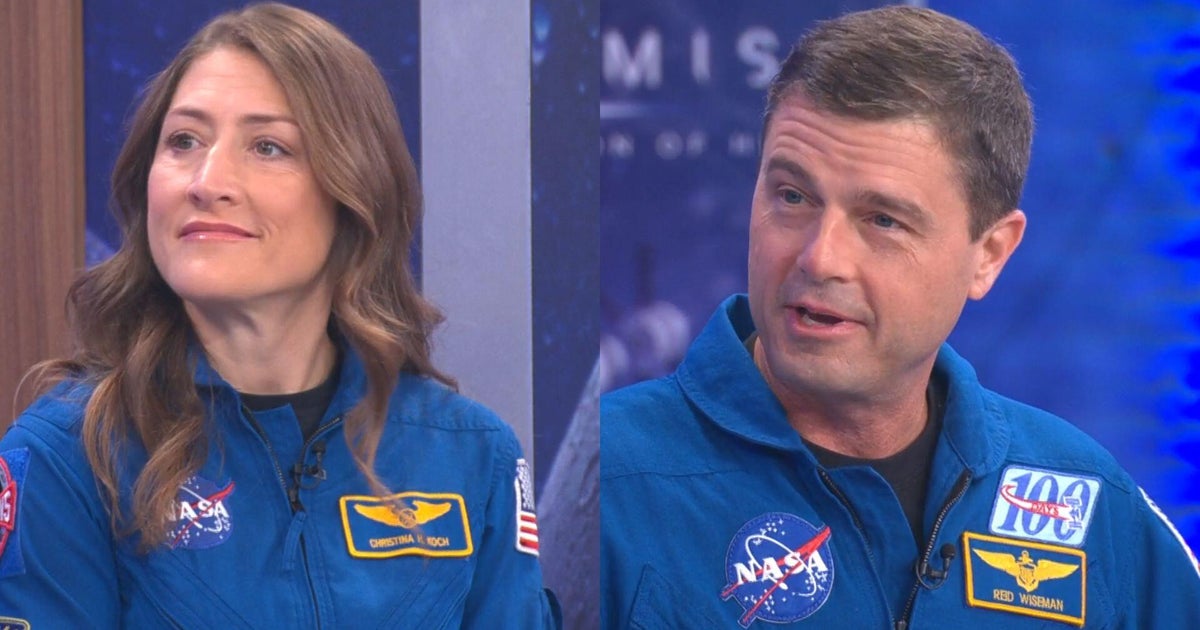
During a special “CBS Mornings” town hall event titled “Artemis II: A Celebration of Heroes,” Commander Reid Wiseman shared a delightful behind-the-scenes moment from the mission’s conclusion that perfectly captured the human side of space exploration. Speaking to an audience of enthusiastic students on Friday, Wiseman recounted the crew’s first meal after returning to Earth – and it wasn’t a carefully prepared NASA recovery meal. Instead, as the four astronauts – Wiseman, Christina Koch, Victor Glover, and Jeremy Hansen – bobbed in their capsule in the Pacific Ocean awaiting rescue teams, Koch reached into her spacesuit pocket and produced a bag of peanut M&Ms. The image of these history-making astronauts, having just returned from the moon and broken records for human space travel, casually leaning against the side of their spacecraft and munching on chocolate candies brought laughter from both the crew and the students at the town hall. “We were happy,” Wiseman said simply, and in that moment, the extraordinary became wonderfully ordinary. The choice of candy wasn’t arbitrary – unlike many foods, M&Ms don’t create the problematic crumbs that NASA has spent decades trying to eliminate from spacecraft environments, making them the perfect celebratory snack for the historic occasion.
The Nutella Incident: An Accidental Viral Moment
Food became an unexpected talking point during the mission itself when eagle-eyed viewers watching the live broadcast noticed something unusual floating through the Orion capsule. Just minutes before the Artemis II crew set the record for traveling farther from Earth than any humans in history, a jar of Nutella was spotted drifting past Christina Koch’s head in the video feed. The hazelnut chocolate spread’s appearance in space quickly captured public imagination and went viral on social media, with people around the world amused and charmed by the idea of astronauts enjoying this beloved breakfast staple while making history. NASA was quick to confirm that the moment was definitely not product placement or any kind of commercial arrangement, but rather a genuine snapshot of the crew’s food choices during their mission. Nevertheless, the Ferrero Group, which owns the Nutella brand, couldn’t resist the opportunity to celebrate their product’s unexpected journey to the outer reaches of human exploration. The company posted on X (formerly Twitter) with obvious delight: “Honored to have traveled further than any spread in history 🚀 Taking spreading smiles to new heights.” They added with playful humor, “We’ve traveled to a lot of breakfast tables. Never any quite like this.” The incident highlighted how modern space travel has evolved to include comfort foods that astronauts actually want to eat, rather than just nutritionally adequate provisions.
Better Than Expected: The Reality of Modern Space Cuisine
Contrary to popular belief about terrible space food, the Artemis II crew reported that their meals during the mission were actually quite enjoyable. Commander Wiseman revealed that one of the crew’s favorite moments came on Flight Day 7, when they had a video call with astronauts aboard the International Space Station during their return journey to Earth. What made this communication particularly special wasn’t just the connection with fellow space travelers, but rather a surprisingly mundane detail that created a sense of camaraderie: both crews were eating the same food at the same time. This shared experience, even across the vast distances of space, created a memorable bonding moment. When students at the town hall asked about what food they particularly enjoyed during the trip, both Wiseman and Glover responded with genuine enthusiasm, excitedly listing off menu items that sound remarkably appetizing for space fare. Among their favorites were spicy green beans, which likely provided a welcome kick of flavor in the confined environment of the spacecraft, broccoli au gratin offering a creamy, comforting option, and fajitas that brought the flavors of home along for the journey. These menu choices represent a significant departure from the stereotype of barely edible space food and demonstrate how far NASA’s food technology has advanced.
Why Space Food Matters: Comfort and Morale in Extreme Environments
The significance of good food in space extends far beyond simple nutrition or satisfying hunger. For astronauts spending extended periods in the confined, high-stress environment of a spacecraft, meals represent crucial moments of normalcy, comfort, and morale-boosting familiarity. The psychological benefits of enjoying recognizable, flavorful foods cannot be overstated when you’re farther from home than any human has ever been. Food serves as a touchstone to Earth, a reminder of everyday life, and a source of simple pleasure during an otherwise extraordinary and potentially stressful experience. The fact that Christina Koch thought to pack peanut M&Ms in her spacesuit pocket for the splashdown, or that someone brought along a jar of Nutella, shows how important these small comforts are to the astronauts themselves. NASA has clearly recognized this psychological component and has invested considerable resources into developing space food that doesn’t just meet nutritional requirements but actually tastes good and provides emotional satisfaction. This represents a significant evolution in thinking from the early space program, when functionality was prioritized almost exclusively over palatability.
The Future of Space Food: Preparing for Longer Missions
As NASA and other space agencies plan for longer missions, including potential trips to Mars that could last years rather than weeks, the importance of varied, appealing food options will only increase. The success of the Artemis II mission in providing meals that astronauts genuinely enjoyed eating sets an important precedent for future space exploration. The challenge of space food isn’t just about creating meals that can survive in microgravity and the harsh conditions of space travel – it’s about sustaining human beings physically, mentally, and emotionally over extended periods. The enthusiastic response from the Artemis II crew about their food options, from the spicy green beans to the Nutella jar that captured the world’s attention, suggests that space agencies are on the right track. As humanity prepares to venture even farther into the solar system, these seemingly small details about what astronauts eat will play an increasingly important role in mission success. The image of the Artemis II crew happily munching peanut M&Ms after splashdown, or spreading Nutella while breaking distance records, reminds us that even the most extraordinary human achievements are accomplished by people who still appreciate life’s simple pleasures – good food, shared meals, and a sweet treat after a job well done.