
The Potential Collapse of Spirit Airlines: What It Means for American Travelers
A Perfect Storm Threatening Budget Air Travel
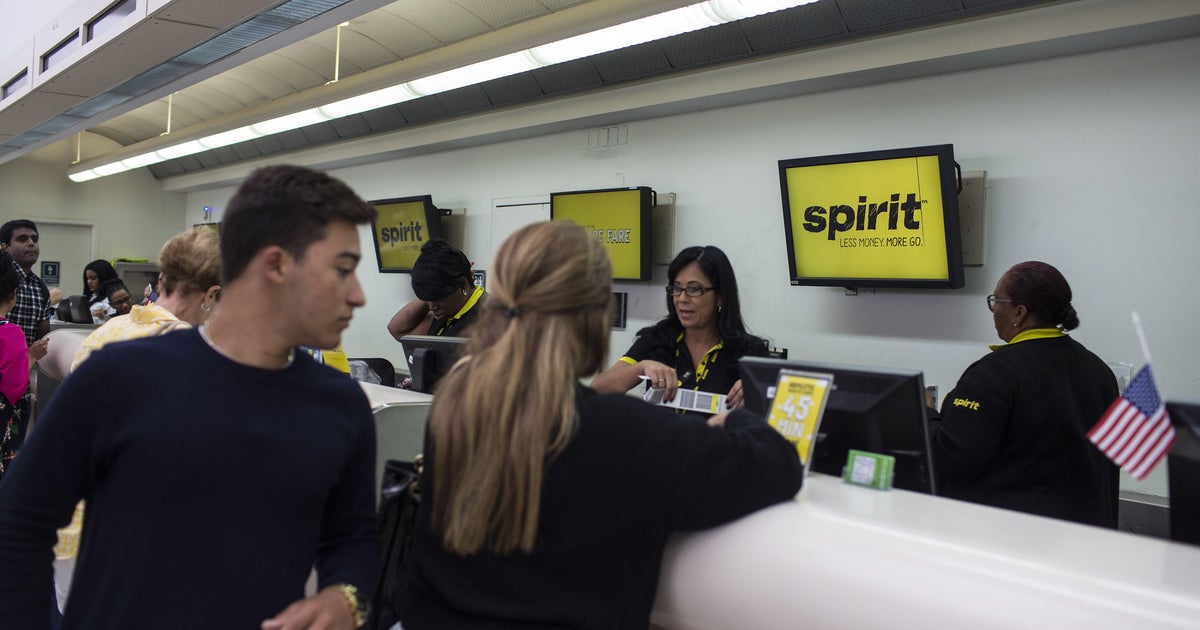
The American aviation industry stands at a critical crossroads as Spirit Airlines, one of the nation’s most recognizable budget carriers, teeters on the edge of collapse. With a desperately needed $500 million federal bailout stuck in legislative limbo, the airline was reportedly preparing to cease operations as early as this past weekend without emergency intervention. The Trump administration has been briefed on the situation, highlighting the gravity of the crisis. This isn’t just another business failure—it represents a potentially seismic shift in how millions of Americans travel. Spirit Airlines has built its entire business model around offering no-frills, ultra-low-cost flights to price-conscious travelers, essentially democratizing air travel for those who might otherwise drive or not travel at all. The company’s potential demise comes at an especially troubling time, as jet fuel prices have already been climbing due to global instability stemming from conflict involving Iran, putting upward pressure on ticket prices across the industry. For millions of budget-conscious travelers who have relied on Spirit’s rock-bottom fares to visit family, take vacations, or conduct business, the airline’s shutdown would represent more than an inconvenience—it would fundamentally alter their travel options and budgets.
The Ripple Effect: How Your Ticket Prices Will Likely Increase
Industry experts are sounding the alarm about what Spirit’s exit would mean for airfare prices across the board. According to Peter Greenberg, CBS News’ travel editor, the equation is straightforward but troubling: “Any time you have a reduction in capacity and demand increases, airfares have nowhere to go but up. And that doesn’t count the fares that are already rising because of the spike in fuel prices.” This isn’t mere speculation—hard data backs up these concerns. A comprehensive analysis by CBS News examining information from Cirium, a leading aviation analytics provider, revealed a striking pattern: when Spirit withdrew service from particular routes in the past, average fares on those routes jumped by approximately 23%, which translates to roughly $60 more for a typical round-trip ticket. Perhaps even more concerning, overall passenger volume on those routes declined by 20% after Spirit’s departure, suggesting that when prices rise, some travelers simply stop flying altogether. This creates a vicious cycle where reduced competition leads to higher prices, which in turn reduces demand, potentially leading to reduced service frequency and even fewer options for travelers. The timing couldn’t be worse, as these potential increases would compound already elevated ticket prices driven by rising jet fuel costs linked to international conflicts and supply chain pressures.
What Happens to Your Existing Spirit Tickets?
If you’re among the many travelers holding tickets for future Spirit flights, you’re probably wondering what happens to your money if the airline shuts down. The good news is that federal credit laws provide significant protection for most passengers. According to Peter Greenberg, “If you’re holding a Spirit ticket for a flight that hasn’t happened yet, you’ll get that back from your credit card company under federal credit laws.” However, getting your money back may require some proactive effort on your part. Eric Rosen, director of travel content at The Points Guy, advises travelers to monitor the situation closely and be prepared to act quickly: “Watch what happens very closely, and if the airline ceases operation, call the credit card you used to buy the ticket and dispute the charge. The result is a non-delivery of service, which is grounds for disputing a charge.” This process, known as a chargeback, essentially reverses the transaction when a company fails to deliver the service you purchased. Unfortunately, not all Spirit customers will find recovery so straightforward. Those who paid with cash or through debit cards may face more challenges, and passengers who redeemed airline loyalty points or miles could find themselves in an especially difficult position. As Rosen points out, those loyalty points typically cannot be transferred to other airlines’ programs, meaning their value could simply evaporate. Julian Kheel, founder of Points Path, offers crucial advice: don’t cancel your upcoming Spirit ticket, even if you’re worried about the airline’s future. “Canceling your ticket now without a promise of a refund will eliminate all protections. Instead, hang on to your ticket and file a chargeback with your bank,” he advises, emphasizing that maintaining your booking preserves your legal rights and options.
Competition Steps Up: Other Airlines Respond to the Crisis
In the face of Spirit’s potential collapse, several major airlines have announced measures to assist stranded passengers, though the extent and cost of this help remains somewhat unclear. United Airlines was among the first to respond publicly, stating Friday that it is “preparing to support Spirit customers and employees” with more details to follow. American Airlines has taken more concrete steps, implementing what it calls “fare caps” on main cabin tickets for routes where it offers nonstop service that overlaps with Spirit’s network. In its statement, American emphasized that “The American Airlines team is prepared to do all it can to support Spirit Airlines customers and team members” and promised to “continue to support as many customers as possible.” JetBlue and Frontier have similarly posted statements indicating their readiness to assist affected travelers. However, travelers should approach these “rescue fares” with measured expectations. Industry analyst Henry Harteveldt, founder of Atmosphere Research Group, cautions that while these special fares may be discounted compared to normal prices, they’ll likely still exceed what Spirit passengers originally expected to pay. “These rescue fares may be less expensive than the normal fares these airlines would charge, but would probably be more expensive than the Spirit fares,” Harteveldt explains. Additionally, it’s unclear whether these accommodation fares will be available on every route Spirit served, potentially leaving some travelers in particularly difficult situations. Harteveldt urges all Spirit customers to keep copies of their itineraries, as other airlines may require proof of your original booking to offer assistance.
Long-Term Market Impact: Can Other Budget Carriers Fill the Void?
The longer-term question facing the aviation industry is whether and how quickly other carriers can absorb Spirit’s market share and routes. Harteveldt suggests the impact on overall airfares will depend heavily on how rapidly competitors can expand into Spirit’s former territories, though he notes that significant changes before the crucial summer travel season seem unlikely. “Airlines’ plans have already been committed for the summer,” he explains, pointing out that airlines make capacity and route decisions months in advance. However, he anticipates movement within a reasonable timeframe: “Over time, within three to six months, I would not be surprised to see Frontier, Avelo, Breeze and Allegiant all take steps to enter markets that Spirit served.” These budget carriers—Spirit’s direct competitors in the ultra-low-cost segment—would be the most logical candidates to absorb Spirit’s routes and customers. Each operates similar business models, offering stripped-down base fares with fees for extras like seat selection, carry-on bags, and refreshments. The question is whether these smaller carriers have the financial resources and aircraft availability to expand rapidly enough to prevent a significant reduction in budget travel options. Frontier, as the largest of these competitors, seems best positioned to capture market share quickly, but even aggressive expansion takes time—time during which millions of travelers may face higher fares and fewer options for budget-friendly air travel.
The Broader Picture: Budget Travel in Jeopardy
Spirit Airlines’ role in the American aviation ecosystem extends far beyond its own passenger numbers. As Julian Kheel succinctly puts it, “Spirit helped keep airfares in check, even if it wasn’t the most popular with consumers.” This observation cuts to the heart of why Spirit’s potential collapse matters to all travelers, not just those who flew the airline. Spirit’s presence in a market—even if you never personally chose to fly with them—exerted downward pressure on competitors’ pricing. Other airlines knew they couldn’t price themselves too far above Spirit’s ultra-low fares without losing price-sensitive customers. With Spirit gone, that competitive pressure disappears, giving other carriers more pricing power. Kheel warns of the compounding effect: “With them soon to be gone, I think we’re likely to see an increase. That’s on top of the airfare increases we’re already seeing from the increase in jet fuel prices. This is only going to make that situation worse.” This creates a concerning scenario where travelers face a double hit—reduced competition driving up base fares even as fuel surcharges and other fees increase due to external factors. For working families, students, and others for whom budget travel isn’t a luxury but a necessity, Spirit’s disappearance could mean some trips simply become unaffordable. The democratization of air travel that budget carriers helped achieve over the past two decades could face a significant reversal, returning air travel toward the more exclusive, expensive experience it once was before deregulation and the rise of low-cost carriers transformed the industry.