
Trump Tariff Refunds: When Businesses Can Expect Their Money Back
The Timeline for Refund Payments
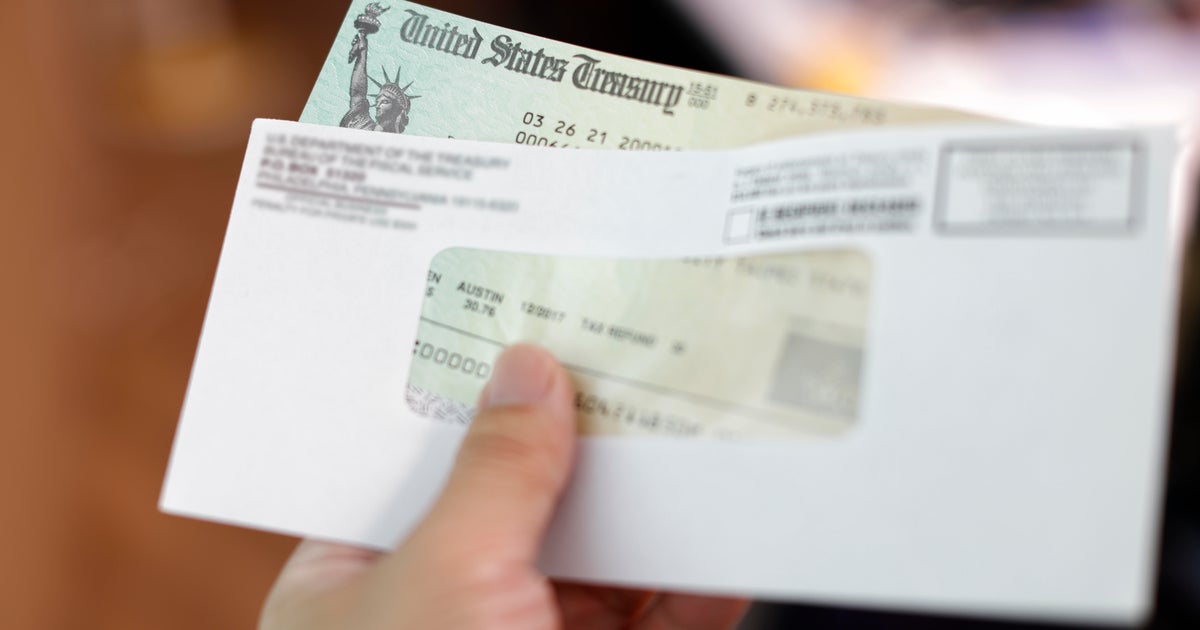
After months of uncertainty, businesses that paid tariffs under President Trump’s controversial “liberation day” duties are finally getting answers about when they’ll see their money returned. According to recent court documents, the Trump administration is preparing to issue the first wave of tariff refunds as early as May 11. This development comes after the Supreme Court struck down these tariffs back in February, leaving the federal government on the hook for an estimated $166 billion in duties that now need to be returned to importers across the country. Therefund process represents one of the largest financial reimbursements in recent trade policy history, affecting countless businesses that were forced to pay these duties on imported goods.
The Launch of the CAPE Portal
In response to the Supreme Court’s ruling, the federal government launched a dedicated online portal on April 20 to handle the massive volume of refund requests. The system, known as CAPE (Consolidated Administration and Processing of Entries tool), was designed to streamline the process for businesses seeking refunds of tariffs paid under President Trump’s International Emergency Economic Powers Act, or IEEPA. However, the portal’s debut wasn’t without problems—the website briefly crashed when an overwhelming number of businesses rushed to the site on its first day. Despite this rocky start, legal experts have actually praised the government’s quick action in creating a functional refund mechanism in such a short timeframe. Since those initial technical difficulties, the portal has been working smoothly for most businesses attempting to navigate the refund process.
Progress on Processing Claims
U.S. Court of International Trade Judge Richard Eaton, who has been appointed to oversee the entire tariff refund process, provided an encouraging update in a Tuesday court filing. According to Judge Eaton, U.S. Customs and Border Protection has already accepted approximately 21% of all IEEPA duty refund requests submitted through the portal. Even more promising, about 3% of all requests have already advanced to the “refund stage of the process,” meaning they’re being prepared for actual payment. These first refunds will be disbursed by the U.S. Treasury Department and could start appearing in businesses’ bank accounts as soon as May 11. While these percentages might seem small given the massive scale of the refund operation, they represent significant progress considering the complexity of processing what amounts to billions of dollars in claims from businesses of all sizes across the country.
Challenges Faced by Small Businesses
Despite the overall progress, the refund process hasn’t been smooth sailing for everyone, particularly for smaller businesses that lack the resources and expertise of larger corporations. Judge Eaton acknowledged in his filing that some importers have faced significant hurdles in navigating the tariff refund system. Many business owners reported being unable to access their Customs importer accounts, while others spent hours on hold trying to resolve administrative errors and technical glitches. These frustrations have been especially acute for small business owners who are desperately awaiting refunds that represent substantial portions of their operating capital. The difficulties highlight the ongoing challenge of creating government systems that are accessible and user-friendly for businesses of all sizes, particularly when dealing with complex international trade regulations.
Real Stories from Struggling Entrepreneurs
The human impact of these administrative challenges becomes clear when you hear from individual business owners. Beth Benike, co-founder of Busy Baby, a Minnesota-based company that makes baby accessories, is among the small business owners still unable to apply for refunds—money that amounts to tens of thousands of dollars her company desperately needs. Similarly, Dahlia Rizk, who owns Buckle Me Baby, a Massachusetts-based children’s outerwear company, described her struggle to claim $66,000 in refunds she’s owed. “It was very difficult. I had a lot of trouble,” Rizk told reporters, expressing frustration at the bureaucratic obstacles she faced. “I shouldn’t have had to call up Border Patrol and explain my entire life story,” she added, highlighting the invasive and time-consuming nature of the verification process. After considerable effort and persistence, Rizk was eventually able to submit her request, which Customs has since approved. She now expects to receive her refund in the coming months, though the wait and uncertainty have taken a toll on her business operations and planning.
Looking Ahead: What This Means for American Business
The tariff refund situation represents more than just a technical administrative process—it’s a significant moment in American trade policy with far-reaching implications for businesses across the country. For many companies, especially smaller operations, these refunds represent critical capital that has been tied up for months, affecting their ability to invest in growth, hire employees, or even maintain day-to-day operations. The fact that the government is now moving forward with refunds, despite the various challenges, signals progress toward resolving this complex situation. However, the difficulties experienced by many business owners in accessing the portal and navigating the bureaucracy serve as a reminder of how trade policy decisions can have very real, practical consequences for everyday entrepreneurs. As the refund process continues over the coming months, it will be important to monitor whether the system improves and becomes more accessible, ensuring that all businesses—regardless of size—can reclaim the money they’re owed. The estimated $166 billion in total refunds represents a massive transfer of funds back to the private sector, money that could potentially stimulate business investment and economic activity as it returns to company balance sheets throughout the year.