

The Search for Nancy Guthrie: A Community’s Hope and a Family’s Heartbreak
Tracing the Suspect Through Retail Clues
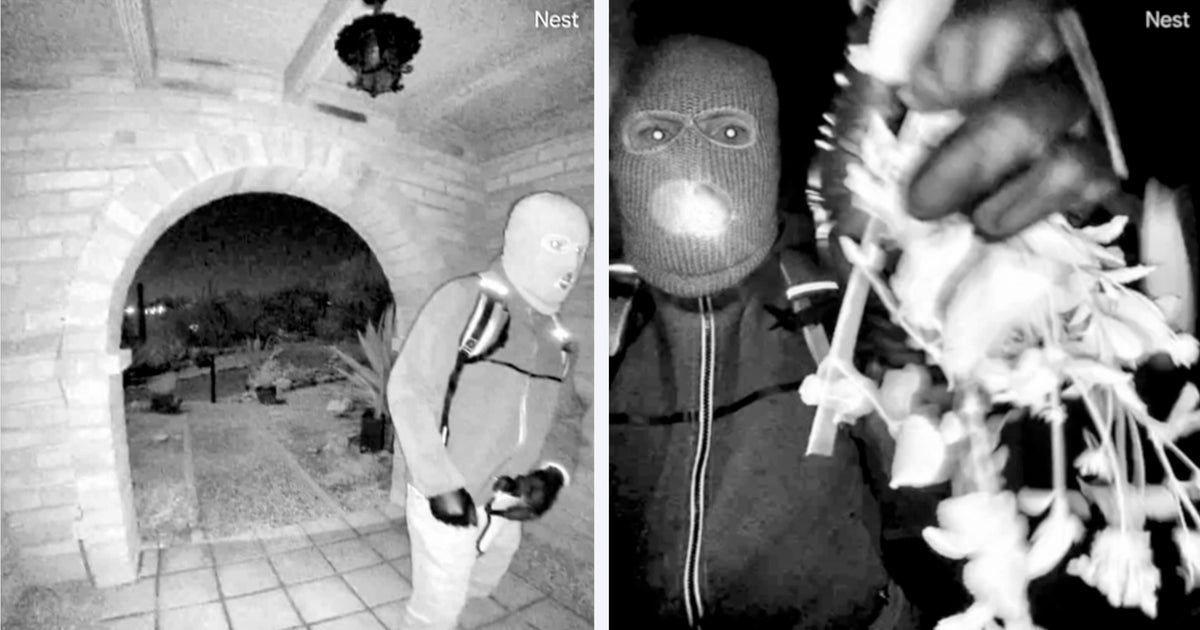
The disappearance of 84-year-old Nancy Guthrie has shaken the Tucson, Arizona community and captured national attention, particularly because she is the mother of beloved “Today” show co-host Savannah Guthrie. Sheriff Chris Nanos of Pima County has revealed that investigators are making progress in identifying items worn by a suspect captured on chilling doorbell camera footage. The breakthrough centers on what might seem like mundane details—clothing and accessories that authorities believe were purchased at Walmart. Investigators have identified the suspect’s backpack as a black Ozark Trail Hiker, a 25-liter pack sold exclusively at the retail giant. This discovery has become what Sheriff Nanos describes as one of the most promising leads in the case. The painstaking work now involves reviewing countless hours of surveillance footage from local Walmart stores, trying to pinpoint when and where these items were purchased, and hopefully, by whom.
The investigation has expanded beyond just the backpack. Authorities now believe that the clothing and face mask visible in the disturbing doorbell video were also Walmart purchases, though they’re still working to identify the specific brands. This retail trail could prove crucial in tracking down whoever is responsible for Nancy’s disappearance. Walmart has cooperated fully with the investigation, providing records of all Ozark Trail Hiker purchases—both online and in-store—spanning several months and extending well beyond the Tucson area. While Walmart’s corporate offices declined to comment when contacted by CBS News, their behind-the-scenes cooperation demonstrates the serious nature of this investigation. The challenge facing investigators is determining whether these items were bought locally in Arizona or somewhere else entirely, and whether the purchases were made in person or through online channels, which could significantly expand the geographic scope of the investigation.
The Night Nancy Vanished
Nancy Guthrie disappeared on February 1st from her Tucson home in what authorities believe was an abduction that occurred in the middle of the night. The thought of an 84-year-old woman being taken from the safety of her own home is the kind of nightmare that resonates with families everywhere. The doorbell camera footage that captured the suspect has become a haunting piece of evidence—showing a masked figure whose identity remains unknown despite the advanced technology that recorded their presence. The irony is heartbreaking: we live in an age where cameras are everywhere, where technology is supposed to make us safer, yet this footage has so far raised more questions than answers. The FBI has released images from the surveillance video, hoping that someone, somewhere, will recognize something about this person—their gait, their build, perhaps even the specific way they wear their clothing.
What makes this case particularly challenging is the calculated nature of the suspected abduction. The individual wore a face mask, which investigators believe is actually black but appears lighter in the footage due to the Nest camera’s infrared technology. This detail shows a level of premeditation—someone who understood that cameras might be present and took steps to conceal their identity. The suspect has been described by the FBI as a male with an average build, standing approximately 5 feet 9 inches to 5 feet 10 inches tall. These physical characteristics describe millions of people, making the investigation that much more difficult. The middle-of-the-night timing suggests someone who either knew Nancy’s routine or was watching and waiting for the right moment. For Savannah Guthrie, who has built her career asking tough questions and getting to the truth, this personal nightmare must be unbearable—all the resources and attention in the world haven’t yet brought her mother home.
DNA Evidence Offers New Hope
In what could be a significant development, authorities are conducting DNA testing on a black glove discovered near Guthrie’s home. The FBI stated that this glove “appears to match the gloves of the subject in the surveillance video,” potentially providing the first physical evidence directly connecting the suspect to the scene. On Saturday, the FBI received preliminary DNA test results, and once those findings are fully confirmed, they plan to enter what they’re calling “the unknown male profile” into CoDIS—the FBI’s Combined DNA Index System. This national database is designed to match DNA profiles from crime scenes with known offenders or with DNA from other unsolved cases. The importance of this step cannot be overstated: if the suspect has any prior criminal history involving DNA collection, or if this DNA matches evidence from another crime scene anywhere in the country, it could break the case wide open.
However, Sheriff Nanos revealed that investigators have collected other DNA evidence from Nancy Guthrie’s property as well, and frustratingly, those results have not yet led to a suspect. This suggests that while the scientific work is being done thoroughly, the answers aren’t coming easily. DNA evidence is only useful if there’s something to compare it against—if the suspect has no criminal record and isn’t in any database, the DNA profile sits waiting for a match that may not come until an arrest is made through other means. Still, the glove represents tangible hope. Someone dropped or lost that glove near Nancy’s home, and that someone likely knows what happened to her. Every piece of physical evidence brings investigators one step closer to understanding the events of that terrible night and potentially identifying who is responsible. For the family and the community, these scientific processes offer hope even as the waiting becomes increasingly difficult.
Following Leads Across Tucson
The investigation has involved multiple law enforcement agencies working around the clock, following every possible lead no matter how small. On a Friday evening, this effort resulted in authorities spending hours searching a residence located less than two miles from Nancy Guthrie’s home. The proximity is striking—the thought that someone potentially connected to Nancy’s disappearance might live or have connections so close to her own neighborhood adds another layer of concern for residents in the area. Sheriff Nanos told CBS affiliate KOLD that the search was “the result of following up on a lead that led to a search warrant and no arrest.” While authorities have remained tight-lipped about what specifically led them to that location or what, if anything, was discovered during the search, the fact that they obtained a search warrant indicates they had sufficient cause to believe something relevant to the investigation might be found there.
The lack of an arrest following that search is disappointing but not necessarily surprising—investigations of this complexity rarely result in immediate breakthroughs. Each lead must be carefully pursued, each possibility thoroughly investigated, even when most leads don’t pan out. The investigators reviewing Walmart surveillance footage, the forensic specialists analyzing DNA evidence, the officers conducting searches—all are working toward the same goal of bringing Nancy home and bringing whoever is responsible to justice. The community has remained engaged, sharing the FBI’s photos and keeping Nancy’s story in the public eye. Tips continue to come in, and each one must be evaluated and followed up on. This is the often invisible work of investigation—the countless hours spent on leads that go nowhere, all in hopes of finding the one lead that breaks everything open.
A Family’s Public Ordeal
For Savannah Guthrie and her family, this nightmare plays out not just in private grief but in the public eye. As a prominent television personality, Savannah has spent years in American living rooms, becoming a trusted and familiar face to millions. Now, those same millions are watching as she endures every family’s worst fear—not knowing where a loved one is or whether they’re safe. The family has had to balance their desire for privacy during this unimaginably difficult time with the knowledge that public attention could help generate the leads that bring Nancy home. Media coverage can be a double-edged sword—it keeps the case in the public consciousness and encourages people to come forward with information, but it also means processing trauma and grief without the shield of anonymity that most families in crisis can rely on.
Nancy Guthrie is not just a missing person case file or a news story—she is someone’s mother, someone’s grandmother, someone’s friend and neighbor. At 84 years old, she should be surrounded by family, enjoying the life she’s built, not missing under circumstances that suggest foul play. The image of that masked figure at her door has become symbolic of every fear we have about the vulnerability of our elderly loved ones, about the fragility of the safety we assume in our own homes. Every day that passes without answers is another day of anguish for Savannah and her family, another day of Nancy’s life lost to whatever circumstances she’s facing. The investigation continues with urgency precisely because time matters—for Nancy’s wellbeing, for the integrity of evidence, and for the family’s desperate need for answers.
The Community’s Response and Ongoing Investigation
The Tucson community and people across the nation have rallied around the Guthrie family, sharing information, offering support, and keeping pressure on for answers. The FBI’s involvement brings federal resources to bear on the case, including access to national databases, forensic expertise, and investigative experience with abduction cases. The combination of local knowledge from Sheriff Nanos’s office and federal capabilities from the FBI represents the best possible investigative approach. As the search continues, authorities are urging anyone with information, no matter how insignificant it might seem, to come forward. Sometimes the smallest detail—someone remembering a neighbor buying a backpack like the one in the video, someone noticing unusual activity in the middle of the night on February 1st, someone recognizing something about the figure in the surveillance footage—can be the piece that makes everything else fall into place.
The focus on retail purchases shows how modern investigations work—tracing everyday consumer transactions to build a picture of a suspect’s movements and preparations. If investigators can identify who bought that specific backpack, particularly if it was purchased in the days or weeks before Nancy’s disappearance, they may have their suspect. The DNA evidence from the glove could confirm that connection. These parallel investigative tracks—the consumer trail and the forensic evidence—are converging toward what everyone hopes will be answers. Until then, Nancy Guthrie’s family waits, the Tucson community remains vigilant, and investigators continue their meticulous work. The story that began with a grandmother’s disappearance has become a test of investigative persistence, community solidarity, and a family’s hope that somehow, despite everything, Nancy will be found and whoever is responsible will face justice. Every day without answers is difficult, but every day also brings new information, new analysis, and continued determination to bring Nancy Guthrie home.