
Remembering David Allan Coe: A Complex Legacy in Country Music
The Passing of an Outlaw Legend
The country music world has lost one of its most controversial and talented figures. David Allan Coe, the singer-songwriter who penned some of country music’s most memorable anthems, passed away on Wednesday at the age of 86. His manager, David Wade, confirmed that Coe died in a hospital around 5 p.m., though the specific cause of death was not disclosed. In his statement, Wade captured the essence of what made Coe such a compelling figure in American music: “He was a complicated man, an outlaw, and a great Songwriter, Singer, and Showman. He had fans from around the world and appreciated them all.” Coe’s wife, Kimberly Hastings Coe, shared her profound grief with Rolling Stone, calling him “one of the best singers and songwriters of our time” and expressing her determination to keep his memory alive. Her tribute was both personal and universal, reflecting the impact Coe had not just on his family, but on generations of music fans who connected with his raw, unfiltered approach to songwriting.
The Making of a Musical Outlaw
David Allan Coe’s journey to musical stardom was anything but conventional. Born in Akron, Ohio, Coe’s early life was marked by hardship and rebellion. He spent time in reformatories as a youth, and from 1963 to 1967, he served time in an Ohio prison for possession of burglary tools. During those dark years behind bars, Coe discovered his salvation in music. As he reflected in a 1983 interview with the Associated Press, “I’d have never made it through prison without my music. No one could take it away from me. They could put me in the hole with nothing to do but I could still make up a song in my head.” This statement reveals the core truth about Coe’s relationship with music—it wasn’t just a career choice, but a lifeline that kept him connected to his humanity during the most difficult period of his life. His first album, appropriately titled “Penitentiary Blues,” featured songs he had written while incarcerated. Though comparisons to Merle Haggard were inevitable—another country legend who had served time—Coe grew frustrated that his criminal history often overshadowed his musical accomplishments.
Writing Songs That Spoke to Working America
While Coe’s personal story was compelling, it was his songwriting that truly cemented his place in country music history. He wrote “Take This Job and Shove It,” which became a massive hit for Johnny Paycheck in 1977 and transformed into an anthem for fed-up workers across America. The song’s defiant message resonated with anyone who had ever felt undervalued or disrespected in the workplace, capturing a universal feeling of frustration with perfect simplicity. He also penned “Would You Lay With Me (in a Field of Stone),” which became a hit for Tanya Tucker in 1974, showcasing his versatility as a songwriter. Remarkably, Coe was the first country singer to record “Tennessee Whiskey,” a song written by Dean Dillon and Linda Hargrove that would later become a genre standard, recorded by legends like George Jones and, more recently, Chris Stapleton. As a performer, Coe had his own significant hits, including “You Never Even Call Me by My Name” (written by Steve Goodman with an uncredited assist from John Prine), “The Ride,” and “Mona Lisa Lost Her Smile.” His acting credits included appearances in movies such as “Stagecoach” and “Take this Job and Shove It,” the latter named after the song that made him famous as a songwriter.
The Rhinestone Cowboy and the Outlaw Movement
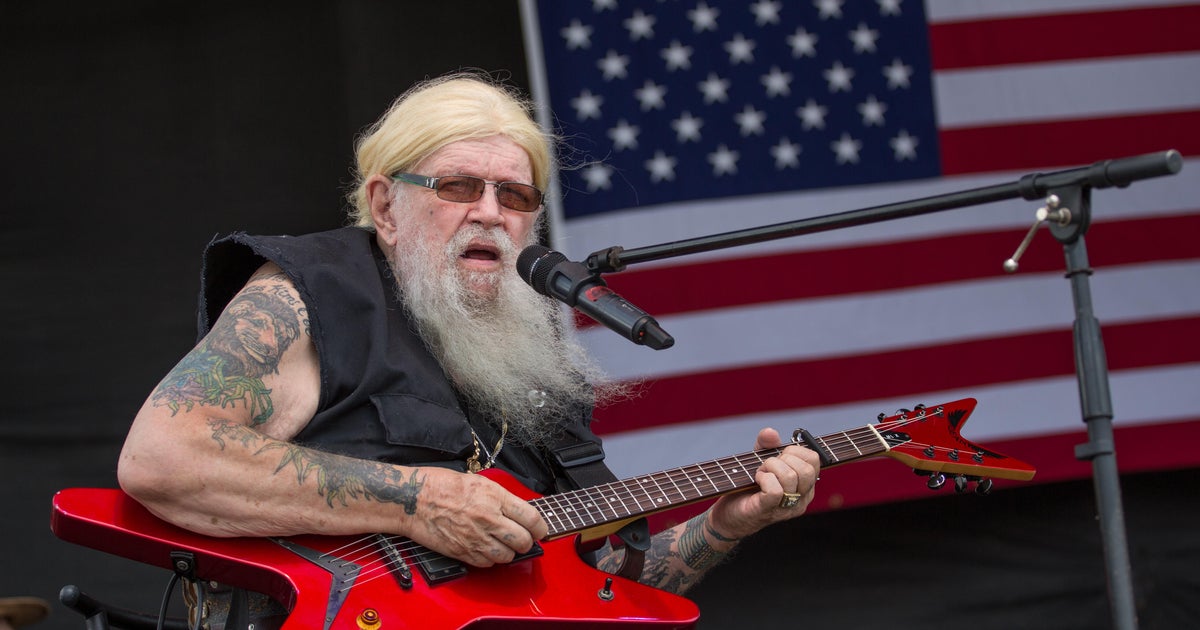
Coe’s persona was as carefully crafted as his songs were heartfelt. After recording for Columbia Records, he released “The Mysterious Rhinestone Cowboy,” earning himself a nickname that stuck after he began performing in a rhinestone suit while wearing a mask. This theatrical approach set him apart in Nashville’s often conservative music scene. During the 1970s, when the outlaw country movement was at its peak, Coe positioned himself at its very heart with songs like “Longhaired Redneck.” The song’s lyrics—about performing in dive bars “Where bikers stare at cowboys who are laughing at the hippies who are praying they’ll get out of here alive”—perfectly captured the cultural collision happening in American music at the time. He appeared in the acclaimed documentary “Heartworn Highways,” which explored the outlaw country movement, performing a memorable concert at a Tennessee prison that brought his journey full circle. Heavily tattooed and sporting long hair, Coe claimed a remarkably diverse following that included bikers, doctors, lawyers, and bankers. His musical collaborations reflected this eclectic appeal—his last record, released in 2006, was created with Dimebag Darrell and other former members of the heavy metal band Pantera, demonstrating that his influence extended far beyond traditional country music boundaries.
The Controversial Underground Albums
No honest account of David Allan Coe’s life can avoid addressing the darker chapters of his career. In 1978 and 1982, he released two X-rated albums—”Nothing Sacred” and “Underground Album”—which he sold through biker magazines rather than traditional retail channels. These recordings contained songs that have been widely criticized for racist, homophobic, and sexually explicit content. In a 2001 interview with Billboard magazine, Coe expressed regret about these albums, explaining that legendary author and songwriter Shel Silverstein had convinced him to record the songs. “Those were meant to be sung around the campfire for bikers, and I still don’t sing those songs in concert,” he said, suggesting he understood that what might have seemed acceptable in a specific subculture was deeply offensive to the broader public. This controversy has complicated Coe’s legacy, forcing fans and critics alike to grapple with how to appreciate his undeniable talent while acknowledging the harm caused by some of his work. It’s a dilemma that has become increasingly familiar in discussions about artists across all genres—can we separate the art from the artist, and should we?
The Final Years and Lasting Impact
Coe’s later years were marked by both continued dedication to his craft and significant challenges. He toured with major artists including Willie Nelson, Kid Rock, and Neil Young, demonstrating his enduring appeal across musical generations. However, his wife revealed on Facebook in September 2021 that he had been hospitalized with COVID-19, and he made few public appearances afterward. In 2016, legal troubles resurfaced when Coe was ordered to pay the IRS more than $980,000 in restitution for obstructing the tax agency. Court documents revealed he had earned income from at least 100 concerts yearly between 2008 and 2013 but had either failed to file tax returns or pay taxes when he did file, resulting in a three-year probation sentence. Despite these difficulties, Coe remained true to his outlaw image until the end. His death marks the passing of an era in country music—a time when being an “outlaw” meant more than just a marketing label, but represented a genuine challenge to Nashville’s establishment. Whether remembered for “Take This Job and Shove It,” his prison blues, or his complicated persona, David Allan Coe leaves behind a body of work that captured the struggles, frustrations, and occasional triumphs of working-class America. As his wife poignantly stated, she doesn’t want anyone to forget him—and given the enduring power of his songs and the indelible mark he made on country music, that seems unlikely to happen anytime soon.