


Government Urges Calm as Fuel Prices Surge Amid Iran Conflict
Fill Up as Normal, Ministers Advise Public
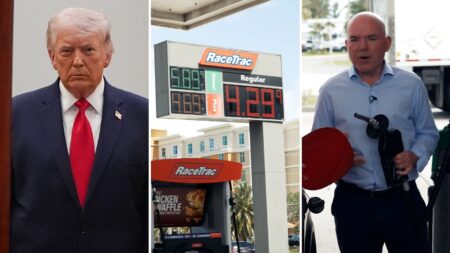
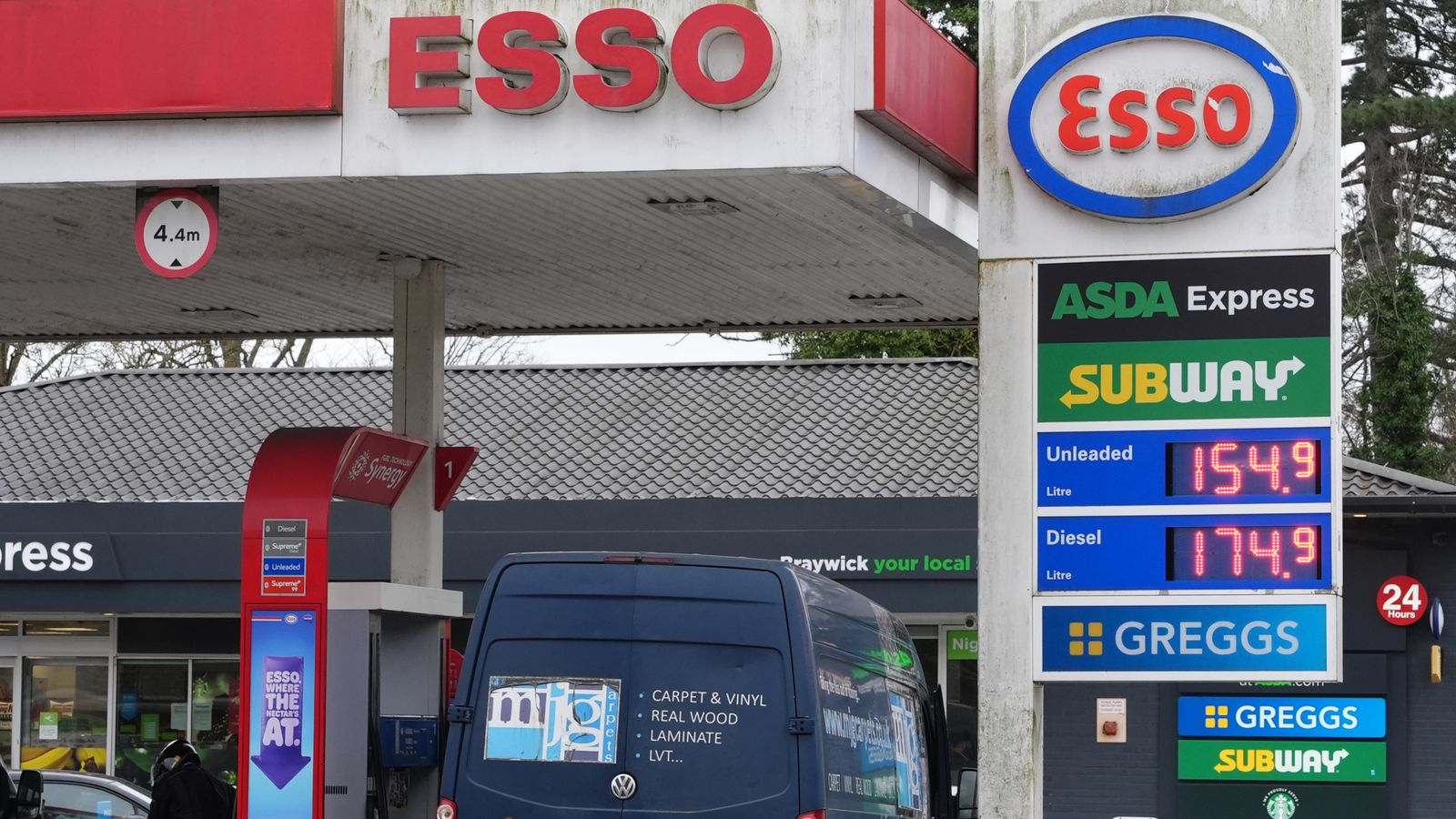
As petrol prices continue their sharp climb across the nation, government ministers are attempting to reassure the public that there’s no need for panic buying or changes to normal refueling habits. Bridget Phillipson, serving as education secretary, appeared on Sunday Morning with Trevor Phillips to address growing concerns about fuel availability and affordability. With the average cost of petrol now exceeding 150 pence per litre—a staggering increase of more than 17 pence since the Iran conflict escalated at the end of February—many motorists are understandably worried about both their wallets and potential fuel shortages. However, Phillipson’s message was clear and direct: continue filling up your vehicles as you normally would, and don’t let anxiety drive you to change your behavior at the pump.
The education secretary emphasized that the government is taking its cues from industry experts and trade bodies like the RAC, which have consistently advised motorists to maintain their usual refueling patterns. “They’ve been absolutely clear that if you go to the pump, just fill up as normal, continue as you are,” Phillipson stated, seeking to calm any fears that might lead to the kind of panic buying that could actually create shortages where none would otherwise exist. She stressed that the UK’s fuel security remains intact, with production levels unaffected by the current international situation. “We’ve got the security of what is coming in, and production isn’t affected,” she assured viewers. The minister expressed confidence in the government’s preparedness for any potential disruptions, stating that officials “will always plan for what we need to do” and repeatedly emphasizing that “we are well prepared” for various scenarios that might unfold.
Expert Warnings About Supply Disruptions
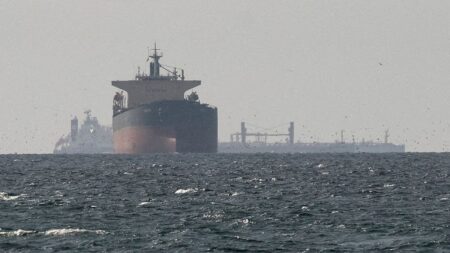
Not everyone shares the government’s optimistic outlook on the fuel situation. Energy economist Nick Butler presented a more sobering assessment when speaking to Sky News, warning that shortages are likely due to Iran’s actions in blocking tankers from passing through the Strait of Hormuz—a critical chokepoint for global oil shipments. This narrow waterway is one of the world’s most strategically important maritime passages, with approximately one-fifth of global oil consumption passing through it. Butler argued that the government cannot simply stand by and “leave it to the anarchy of the open market,” suggesting that some form of intervention will become necessary to ensure fair distribution and prevent price gouging. His comments reflect concerns among some analysts that the situation is more serious than official statements might suggest, and that relying solely on market forces could lead to significant problems for consumers and businesses alike.
This divergence between government reassurances and expert warnings puts the public in a difficult position, trying to determine which perspective more accurately reflects reality. While ministers point to current supply security and encourage normal behavior, economists are looking at the broader geopolitical picture and seeing warning signs that could translate into real problems at the pumps in the coming weeks or months. The tension between these viewpoints highlights the complexity of the current situation, where immediate supplies may indeed be adequate while medium-term prospects remain uncertain depending on how the conflict develops and how long disruptions to shipping routes continue.
Energy Prices and Future Uncertainty
When addressing the broader issue of energy costs, Ms. Phillipson acknowledged that the most critical objective is achieving a de-escalation of the Iran conflict, which would presumably help stabilize fuel prices. She pointed to the upcoming reduction in the energy price cap scheduled for April as a positive development for household budgets. However, this silver lining comes with a significant caveat—the price cap is only guaranteed until June, and beyond that point, everything remains uncertain. When pressed about what might happen after June, the education secretary could not provide any firm commitments or guarantees, saying only that “we will take a view closer to the time.” She expressed hope that the intervening months would bring a de-escalation of the conflict, which would presumably improve the energy situation, but couldn’t make any promises about government action if circumstances don’t improve.
This inability to provide longer-term reassurance reflects the genuine uncertainty facing policymakers as they navigate an international crisis largely beyond their control. The conflict’s trajectory remains unpredictable, and its impact on global energy markets depends on numerous factors including diplomatic efforts, military developments, and the responses of other oil-producing nations. For ordinary citizens planning their household budgets or businesses trying to forecast costs, this uncertainty creates significant challenges. The government’s position—essentially hoping for the best while preparing for various contingencies—may be realistic given the circumstances, but it offers little concrete comfort to those watching fuel prices climb and wondering how much higher they might go.
Political Pressure for Fuel Duty Relief
The rising fuel costs have triggered calls from across the political spectrum for the government to reconsider planned fuel duty increases. The Conservative Party, Reform UK, and the Liberal Democrats have all urged the government to scrap fuel duty rises currently scheduled to take effect in September, arguing that implementing tax increases while motorists are already struggling with dramatically higher prices would be both economically damaging and politically tone-deaf. These opposition voices argue that the government has tools at its disposal to provide immediate relief to drivers and should use them, particularly given the exceptional circumstances created by the Iran conflict. The fuel duty debate reflects a broader tension in British politics about taxation, public services, and government intervention in markets during times of crisis.
However, Ms. Phillipson pushed back against these calls for immediate action, maintaining that there is “no need to take action” at the present moment and refusing to “commit months ahead of time” to policy changes that might not prove necessary. This stance suggests the government wants to maintain flexibility and avoid being locked into tax cuts that could significantly impact public finances if the situation improves before September. The education secretary’s comments indicate that Labour is taking a wait-and-see approach, presumably hoping that diplomatic efforts might succeed in de-escalating the conflict and that fuel prices might stabilize or even decline before the scheduled duty increases take effect. This cautious approach may be fiscally prudent, but it leaves the government vulnerable to criticism that it’s out of touch with the immediate pressures facing motorists and businesses dependent on transportation.
Opposition Calls for North Sea Drilling
Conservative leader Kemi Badenoch offered a different perspective on the crisis, arguing that the immediate priority should be increasing domestic energy production through renewed North Sea drilling. Speaking on the same Sunday politics program, Badenoch stated she didn’t believe fuel rationing was necessary at this point, but emphasized that the government should reverse course on its oil and gas policies. She specifically dismissed suggestions that North Sea development would take too long to address the current crisis, insisting that “gas will be coming out of Jackdaw before winter”—referring to the Shell-owned gas field located east of Aberdeen. This optimistic timeline contrasts with typical estimates for bringing new or paused energy projects online, which usually span years rather than months.
Badenoch’s comments represent a fundamental policy disagreement with the current Labour government, which banned new oil and gas licensing last year in favor of focusing investment and policy support on homegrown renewable energy sources. The Conservative leader argued that “the right thing right now is not to bankrupt the country” and advocated for an all-of-the-above energy approach. “What we need is cheap, abundant energy, it should be clean,” she said, “and that means doing everything we can—nuclear, renewables and oil and gas.” This position reflects a broader Conservative critique that Labour’s green energy transition is moving too quickly and leaving the UK vulnerable to exactly the kind of energy security challenges currently being experienced. The debate between prioritizing renewable development versus maintaining fossil fuel production during the transition period represents one of the defining policy disagreements in British politics, with the current fuel crisis giving both sides new ammunition for their arguments about the best path forward for energy security and affordability.