


Kamala Harris Remains the Favorite as 2028 Presidential Race Takes Shape
A Warm Welcome at the National Action Network Convention
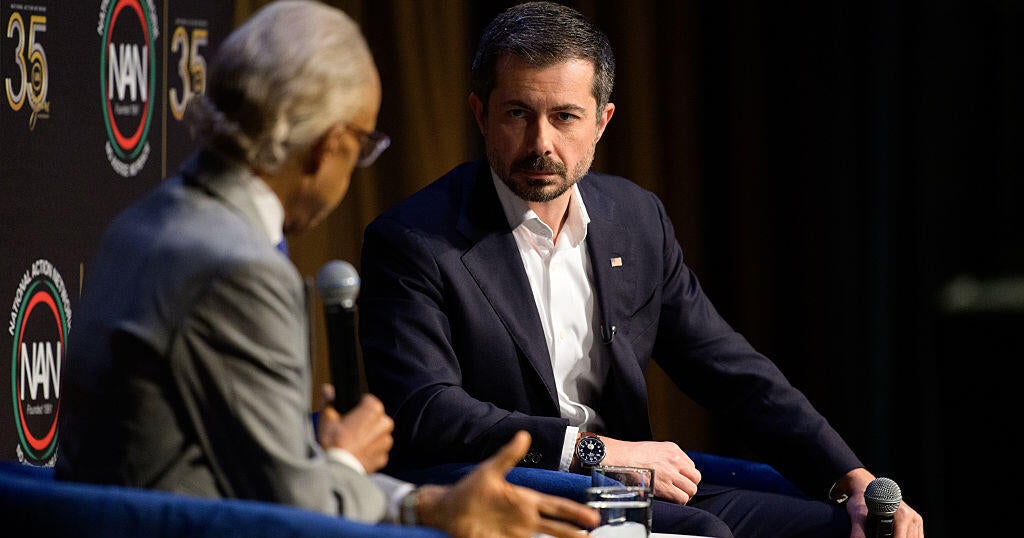
The 2028 presidential race may still be years away, but the jockeying for position has already begun in earnest. At this year’s National Action Network Convention in New York City, several prominent Democratic figures made their presence known, including Governors Wes Moore and Josh Shapiro, former Transportation Secretary Pete Buttigieg, and Senator Ruben Gallego. Each of these potential contenders had their moment in the spotlight, speaking to the influential civil rights organization’s members and making their case for future leadership. However, despite the impressive roster of Democratic talent on display, it was former Vice President Kamala Harris who stole the show and demonstrated that she still commands significant enthusiasm and support among the party’s base. Her Thursday appearance, featuring a conversation with NAN founder and president Reverend Al Sharpton, generated some of the loudest and most sustained applause of the entire convention. The energy in the room was palpable, and at one memorable moment, an attendee shouted “run again!” – a sentiment that quickly spread throughout the audience as chants of support echoed through the hall. When Reverend Sharpton directly asked Harris about her intentions for 2028, she didn’t shy away from the question, responding with candor: “Listen, I might. I’m thinking about it.” This acknowledgment that she’s seriously considering another presidential run was met with thunderous approval from the crowd.
Experience and Readiness for the Oval Office
In making her case to the convention attendees, Harris emphasized the depth and breadth of experience she gained during her four years as Vice President under President Biden. “I served for four years, being a heartbeat away from the presidency of the United States,” Harris told the audience, painting a picture of someone who has been intimately involved in the highest levels of government decision-making. She described spending countless hours in her West Wing office, just steps away from the Oval Office, and participating in critical discussions in the Situation Room where the nation’s most pressing security and foreign policy matters are addressed. “I know what the job is. And I know what it requires,” she stated with confidence. Harris also highlighted her extensive diplomatic experience, noting that she had met with over 150 world leaders – including presidents, prime ministers, chancellors, and kings – many of them on multiple occasions. These relationships, she argued, are crucial to America’s standing in the world and its ability to work effectively with allied nations. She emphasized that strong international relationships aren’t just built between leaders but depend on the people of different nations feeling a sense of connection and shared identity with Americans, including those in attendance at the convention.
Grassroots Support Remains Strong Despite Challenges
The support for Harris among National Action Network members appears robust and genuine. Adolphus Lacey, the pastor of Bethany Baptist Church where Reverend Sharpton worships, spoke enthusiastically about why he would back Harris if she decides to run. “I would support her because I still think that we could use her voice. Her voice is needed for such a time as this, and it shouldn’t be a one-and-done,” Lacey explained. He drew a comparison to other political figures, noting that Donald Trump ran for president three times before winning, and argued that Harris deserves more than a single shot at the presidency. “I think she did a good job for, what, 101 days running, but if you give her a full time to be able to articulate and earn people’s votes, I think she’ll do well,” he said, referencing the compressed timeline of her 2024 campaign. Patricia Felder, an attendee from Philadelphia, expressed unwavering loyalty: “I supported her before and I will support her again. I think those who haven’t supported her initially regret it.” However, Felder also offered some constructive advice for a potential future campaign, suggesting that Harris should approach things differently this time around. “I would hope that she comes with a lot more audacity – staying intentional and bold in her messaging,” Felder said, adding that this should be easier now because many skeptics are experiencing firsthand the consequences of the Trump presidency and may be more receptive to Harris’s message.
Trump Administration Concerns Dominate Convention Discussions
While much of the convention focused on looking forward to 2028, President Trump’s current administration served as a constant backdrop to the proceedings. Speakers and attendees alike expressed deep concerns about the direction of the country under Trump’s leadership. Dr. Elaine Duvall, a New York attendee, painted a stark picture of the current state of affairs: “There has been a breach in every area you could think of: breaching laws, breaching human rights, breaching voting rights. Everything has been broken. Everything’s been smashed.” She argued that the country is in desperate need of what she called “a time of reparation. A time of repair. A time of rebuilding.” One issue that dominated discussions was Trump’s handling of the conflict with Iran, which multiple Democratic leaders, including both Shapiro and Harris, characterized as “Trump’s war of choice.” Governor Shapiro criticized the president for never clearly articulating the objectives of the military action to the American people: “I think we have to acknowledge this was a war of choice by the president of the United States, a war I did not support, and a war where the president never came to the American people and said, ‘this is our objective.'” Harris used her foreign policy credentials to implicitly contrast her approach with Trump’s, emphasizing the importance of maintaining strong relationships with allied nations and understanding the perspectives of people around the world. Dr. Duvall told reporters that Harris’s experience sets her apart from other potential 2028 contenders: “I think more than any other presidential candidate, she was prepared. She was a senator, she was an attorney general of a very large state, she was vice president and as she said here today, she knows the job, she knows what to do. It wouldn’t be on-the-job training.”
Questions About Moving Forward Versus Looking Back
Despite the enthusiasm Harris received at the National Action Network Convention, not everyone in the Democratic Party is convinced that she should be the nominee in 2028. Some attendees at the convention, while appreciative of Harris’s service and accomplishments, expressed interest in hearing from other potential candidates before making up their minds. “It is still early,” one gentleman from Ohio cautiously noted when asked about a possible third Harris presidential bid. More significantly, some party insiders are questioning whether the Democrats should nominate someone so closely associated with the Biden administration. A former senior Harris campaign official, speaking anonymously to CBS News, acknowledged that while many Democrats appreciated her historic 2024 run under extremely challenging circumstances, there’s a growing sentiment within the party that it’s time to turn the page. “People don’t like looking in the rearview mirror,” the official stated bluntly. “She has a steep uphill climb.” Senator Elissa Slotkin of Michigan, who has herself fueled speculation about a 2028 run with a recent trip to Iowa, was asked whether the Democratic nominee should be someone who didn’t serve in the Biden administration. When Pete Buttigieg and Kamala Harris were mentioned specifically, Slotkin responded diplomatically but pointedly: “I think there’s a lot of baggage there.” While acknowledging that such baggage might not be insurmountable, she emphasized what she’s been hearing from voters across the country: “I know that the strongest feeling I get from a room like this, from being in Columbus, being in Iowa, being in Wisconsin, Idaho, Kansas, is that people want something new.”
The Road Ahead: Testing the Waters in Key Southern States
Despite the mixed signals from some quarters of the Democratic Party, Harris appears undeterred and is moving forward with plans that suggest a serious commitment to running in 2028. She has scheduled events in North Carolina, South Carolina, and Georgia for the coming week – a strategic choice that speaks volumes about her campaign strategy. These states represent crucial battlegrounds where the Democratic Party’s base of Black voters holds significant influence, and Harris’s decision to focus on these areas demonstrates her understanding of where her strongest support lies. By engaging directly with Black voters in the South, Harris is not only solidifying her base but also sending a message to party leaders that she has a clear path to building the coalition necessary to win the nomination. The fact that she’s beginning this outreach so early in the cycle indicates that she’s learned lessons from her previous campaigns and is taking a more methodical, grassroots-focused approach this time around. Whether this strategy will be enough to overcome concerns about her association with the Biden administration and satisfy Democratic voters’ apparent desire for something new remains to be seen. What is clear, however, is that Kamala Harris remains a formidable presence in Democratic politics, and any candidate hoping to win the 2028 nomination will have to contend with her experience, her passionate base of supporters, and her determination to prove that she deserves another shot at making history.