


Louisiana National Guard Soldier Leaves Rifle in French Quarter Bathroom
An Embarrassing Security Lapse on Bourbon Street
In an incident that has raised eyebrows and sparked concern among New Orleans residents, a Louisiana National Guard soldier accidentally left his service rifle behind in a Bourbon Street bathroom while on patrol in the city’s iconic French Quarter. The weapon, an AR-15 rifle, was discovered leaning against a sink in the Lafitte Hotel, located at the heart of the French Quarter’s bustling entertainment district. The incident occurred on a Sunday night and quickly gained attention after a photograph of the abandoned weapon surfaced on social media platforms. According to Lt. Col. Noel Collins, a spokesperson for the Louisiana National Guard, the weapon was promptly returned to military custody, and the matter is now being addressed through internal channels. While this might seem like a simple case of forgetfulness, the implications of a military-grade weapon being left unattended in one of America’s most popular tourist destinations cannot be understated. The incident serves as a reminder of the human element in military operations and the potential risks that come with deploying armed personnel in civilian areas, even when their presence is intended to enhance public safety.
Context Behind the National Guard Deployment
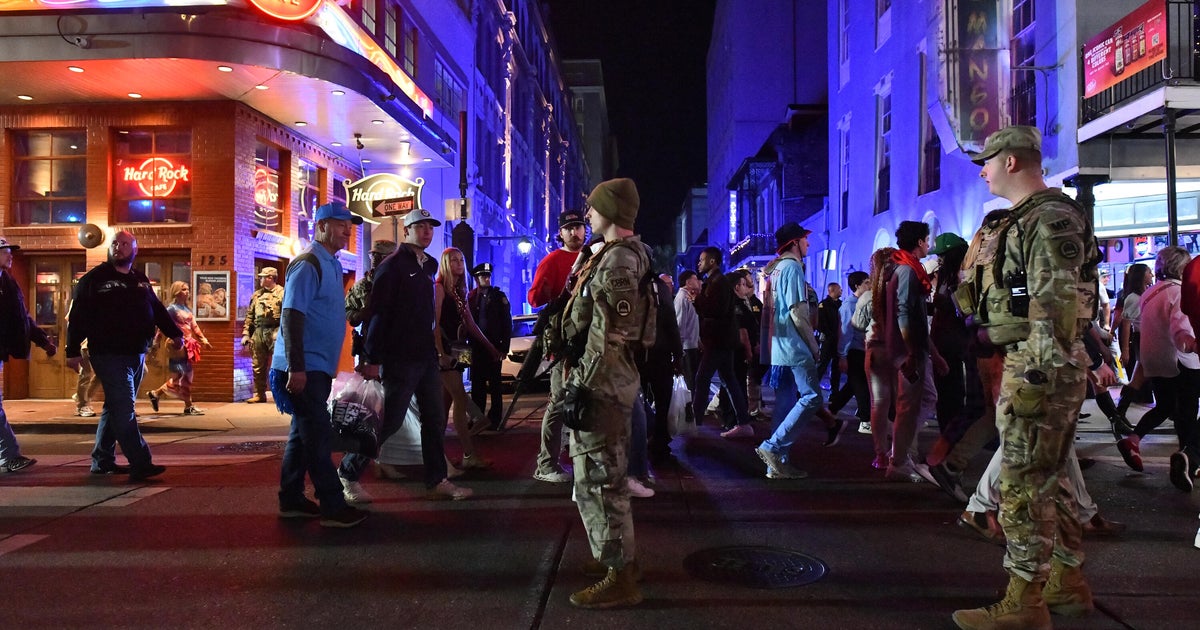
The guardsman responsible for this security breach is one of approximately 350 soldiers deployed to New Orleans by the Trump administration in late December. This deployment wasn’t a random decision but rather a calculated response to ongoing security concerns in the city. Operating under the command of Louisiana Governor Jeff Landry, these National Guard members have been working alongside federal and local law enforcement agencies since just after Christmas, with their mission expected to continue through the end of February. The timing of this deployment is particularly significant, coming exactly one year after a devastating terror attack during a New Year’s Eve celebration on Bourbon Street that claimed the lives of 14 people. That tragic incident left deep scars on the community and heightened awareness about the importance of security in the French Quarter, especially during peak tourist seasons and major celebrations. The presence of National Guard troops in the area represents an effort to prevent similar tragedies and reassure both residents and visitors that their safety is a top priority. However, incidents like the abandoned rifle can understandably shake that confidence and raise questions about the effectiveness and appropriateness of having military personnel patrolling civilian streets.
Community Response: Understanding Mixed With Concern
When news of the incident spread, local residents expressed a mixture of concern and understanding. The photograph of the military rifle casually propped against a bathroom sink naturally worried people who live and work in the French Quarter. After all, this is a neighborhood that thrives on tourism, nightlife, and a sense of carefree celebration—the presence of military weapons is already a stark reminder of underlying security threats, and seeing one left unattended only amplifies those anxieties. However, some community members have chosen to view the incident through a lens of empathy rather than outrage. Bob Simms, a French Quarter resident who co-founded a neighborhood task force dedicated to reducing crime and increasing security in the area, characterized the incident as “an unfortunate mistake.” Speaking to local media, Simms acknowledged the challenging circumstances under which these guardsmen are operating, noting that they’re deployed for extended periods and working extraordinarily long hours each day. His response reflects a recognition that these are human beings performing a difficult job under stressful conditions, not automatons immune to the occasional lapse in judgment or attention. “It’s a pity it happened but mistakes happen,” Simms told WWL, striking a balance between acknowledging the seriousness of the error and maintaining perspective about the realities of human performance under demanding conditions.
The Broader Implications for Military Deployments in Civilian Settings
This incident, while relatively minor in that no one was harmed and the weapon was quickly recovered, highlights some of the inherent challenges and risks associated with deploying military personnel in civilian environments. When soldiers trained for combat operations are asked to perform law enforcement support roles in busy urban areas filled with tourists, bars, restaurants, and hotels, the potential for mishaps increases. These guardsmen must navigate an environment vastly different from traditional military settings, maintaining constant vigilance while also interacting with civilians who may be intoxicated, distracted, or simply going about their daily lives. The cognitive demands of this type of assignment—staying alert for potential threats while also managing basic human needs like using the restroom—can be taxing, especially when shifts are long and deployments stretch over weeks or months. Furthermore, the incident raises questions about protocols and procedures: Are there buddy systems in place to prevent soldiers from being alone when carrying weapons? What training do guardsmen receive specifically for urban civilian patrol duties? How are weapons secured when soldiers need to perform routine activities? While the Louisiana National Guard has stated that the matter is being handled internally, the public nature of this incident invites broader discussion about best practices for military support of civilian law enforcement operations.
Balancing Security Needs With Practical Realities
The deployment of National Guard troops to New Orleans represents a broader trend in American cities grappling with security challenges that sometimes exceed the capacity of local law enforcement. In the wake of terror attacks, surges in violent crime, or major events requiring enhanced security, state governors increasingly turn to National Guard resources to supplement police presence. These deployments can provide visible deterrence, additional manpower, and specialized capabilities that local departments may lack. However, they also come with complications. Military personnel operate under different rules of engagement than civilian police officers, wear different uniforms, carry different weapons, and have different training backgrounds. Their presence can be reassuring to some citizens while making others uncomfortable, particularly in communities with complicated relationships with military and law enforcement institutions. The abandoned rifle incident in New Orleans encapsulates these tensions perfectly—the guardsman was there specifically to enhance public safety, yet his mistake created a potential safety hazard. This paradox doesn’t necessarily mean that National Guard deployments are inappropriate, but it does suggest the need for careful consideration of how such operations are structured, supervised, and sustained over extended periods.
Moving Forward: Lessons and Accountability
As the Louisiana National Guard deals with this incident internally, the broader community will be watching to see what measures are taken to prevent similar occurrences in the future. Accountability is important—the soldier responsible for this lapse must face appropriate consequences that reflect the seriousness of leaving a weapon unattended while also considering the context of demanding operational conditions. However, equally important is the systemic response: What can the National Guard do to reduce the likelihood of such incidents? This might include implementing enhanced buddy systems, creating specific protocols for weapons security during rest breaks, reducing shift lengths to prevent fatigue-related errors, or providing additional training on the unique challenges of urban civilian patrol operations. It’s also worth considering whether all guardsmen on this type of mission need to carry weapons at all times, or whether some roles could be performed by unarmed personnel with armed colleagues available for backup if needed. For the residents and visitors of the French Quarter, this incident serves as a reminder that security is a complex, ongoing challenge that involves human beings who, despite their training and dedication, remain fallible. The key is learning from mistakes, implementing improvements, and maintaining open communication between military forces, law enforcement, and the communities they serve. As New Orleans continues through the remainder of this National Guard deployment, all parties involved have an opportunity to demonstrate that security and accountability can go hand in hand, ensuring that the French Quarter remains both safe and welcoming for everyone who calls it home or comes to visit.