



New TSA Fee for Travelers Without Real ID: What You Need to Know
Understanding the New $45 ConfirmID Fee
Starting February 1st, travelers across the United States may find themselves facing an unexpected expense at airport security checkpoints. The Transportation Security Administration has announced a new $45 fee for passengers who arrive at the airport without a Real ID or other acceptable form of identification. This significant change doesn’t mean you’ll be turned away from your flight, but it does mean you’ll need to go through an additional verification process called ConfirmID, and you’ll have to pay for the privilege. The fee is designed to help the TSA offset the costs associated with providing this extra layer of identity screening, effectively shifting the expense from taxpayers to the individual travelers who need this service. For many people, this new policy might come as a surprise, especially those who have been putting off getting their Real ID, thinking they’d eventually get around to it. That procrastination could now cost them both time and money.
What Real ID Actually Means and How to Identify It
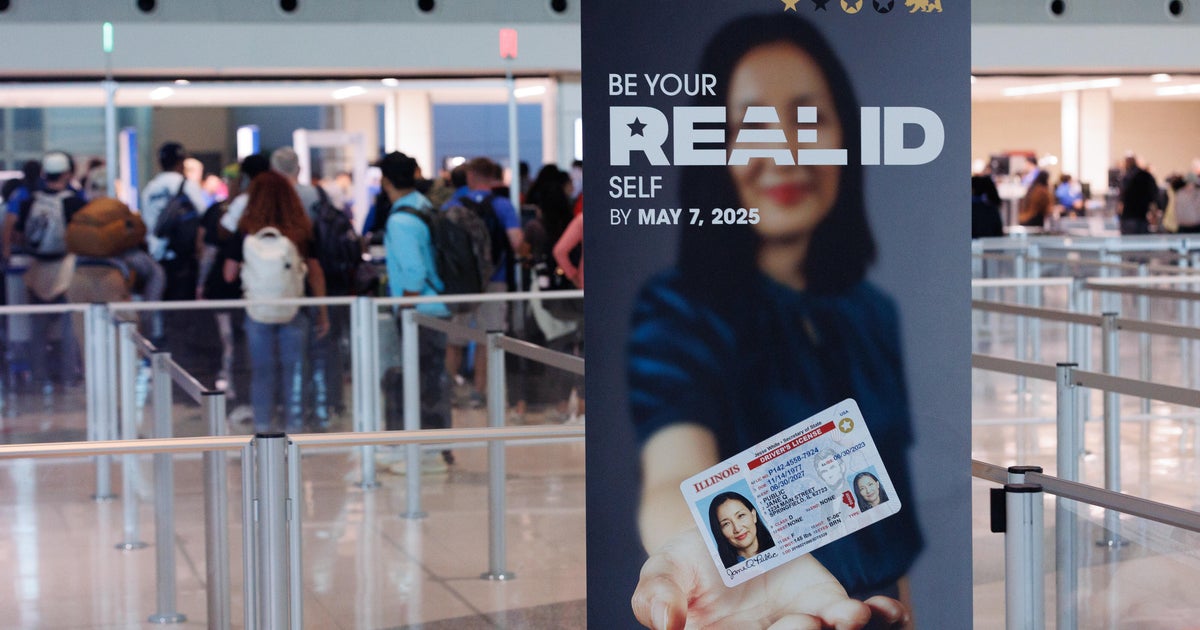
If you’re wondering whether you already have a Real ID, the answer is probably easier to find than you think. A Real ID is simply a federally compliant state driver’s license, learner’s permit, or state-issued identification card. The quickest way to tell if your current ID meets the new requirements is to look for a distinctive black or gold star in the upper right corner of your card. This small star indicates that your state has verified your identity according to federal standards established after the 9/11 terrorist attacks. The good news is that according to TSA statistics, about 94% of travelers are already in compliance with Real ID requirements. This doesn’t necessarily mean they all have the star on their driver’s license, though. Many travelers are compliant simply because they carry a valid passport, which is fully acceptable as a form of identification for domestic flights. As Julian Kheel, CEO of Points Path, points out, “You may already have a Real ID substitute in your wallet and not even know it.” Other acceptable forms of identification include Department of Homeland Security trusted traveler cards and passports from any country, not just the United States.
How the ConfirmID Process Actually Works
The ConfirmID program represents a new approach to handling travelers who show up at security checkpoints without proper identification. Rather than simply turning these passengers away, which was always a possibility that many travelers feared, the TSA will now put them through an alternative verification process. This involves answering a series of personal questions designed to confirm the traveler’s identity through information that should only be known to them. The specific questions and procedures can vary from airport to airport, according to the TSA, but the general principle remains the same: if you can prove you are who you say you are through this questioning process, you’ll be allowed to proceed through security and catch your flight. It’s worth noting that this isn’t entirely new territory for the TSA. The agency has long had procedures in place for passengers who, for instance, lost their wallets or had their IDs stolen while traveling. What’s changed now is that instead of providing this service as part of their regular operations, they’re charging for it. Once you’ve gone through the ConfirmID process and paid the fee, your verified identity remains valid for ten days, which could be helpful for travelers with round-trip tickets or those taking multiple flights within that timeframe.
When and How to Pay the New Fee
The TSA strongly recommends that travelers who know they’ll need to use the ConfirmID system pay the $45 fee online before arriving at the airport. By visiting tsa.gov/ConfirmID ahead of time, you can complete the payment process in the comfort of your home rather than dealing with the stress and time pressure at the airport. The system is set up to work with third-party payment processors and accepts a wide variety of payment methods, including direct bank account transfers (ACH), PayPal, Venmo, and traditional debit or credit cards. After completing your payment, you’ll receive an email receipt that serves as your proof of payment. Make sure to have this receipt easily accessible on your phone or printed out, as you’ll need to show it to the TSA officer at the security checkpoint. While it’s technically possible to pay the fee at the airport if you haven’t done so beforehand, this is strongly discouraged. The additional time required to process payment on-site, combined with the extra screening procedures, could mean you miss your flight entirely. The TSA estimates that the entire ConfirmID process adds about 30 minutes to your time at the security checkpoint, so plan accordingly and arrive earlier than you normally would.
The Broader Impact on Airport Security and Other Travelers
While the ConfirmID program provides a safety net for passengers without Real IDs, travel experts warn that it could have ripple effects throughout the airport security process. The additional screening required for passengers using ConfirmID doesn’t just affect those individuals—it can potentially slow down the entire security line, creating delays for everyone. This is particularly concerning during peak travel times when airports are already operating at capacity and security lines can stretch the length of terminals. For travelers who do have their Real IDs or passports, this means it’s more important than ever to arrive at the airport with plenty of time to spare, as you never know if someone ahead of you in line will need the extended ConfirmID screening. Adam Stahl, the senior official performing the duties of deputy administrator for TSA, emphasized this point in his January 15th statement, urging all travelers to “obtain a Real ID or another acceptable form of identification before heading to the airport” to “avoid delays or missed flights.” It’s also worth noting that if you do miss your flight because of the extra time required for ConfirmID processing, don’t expect your travel insurance to bail you out. According to industry experts, these policies typically don’t cover delays that result from the traveler’s own failure to have proper documentation.
Final Thoughts and Recommendations for Travelers
The implementation of the $45 ConfirmID fee represents a significant shift in how the TSA handles travelers without proper identification, and it’s a clear signal that the grace period for obtaining a Real ID is truly over. While the fee itself isn’t expected to generate substantial revenue for the agency—given that 94% of travelers are already compliant—it serves an important purpose in ensuring that the costs of additional identity verification are borne by those who need the service rather than by taxpayers generally. For anyone who still doesn’t have a Real ID, the message from the TSA is clear: get one now, or be prepared to pay extra and spend significantly more time at the airport. The process of obtaining a Real ID varies by state but generally involves visiting your local DMV with documentation proving your identity, such as a birth certificate or passport, proof of Social Security number, and proof of residency. While this might seem like an inconvenience, it’s far less inconvenient than dealing with the ConfirmID process every time you fly, not to mention the cumulative cost if you’re a frequent traveler. The new fee takes effect on February 1st, but it’s never too early to check whether your current identification is compliant or to start the process of getting your Real ID. With domestic air travel continuing to rebound to pre-pandemic levels, making sure you have the right documentation is simply one more part of smart travel planning in 2024 and beyond.