

Leadership Transition at the Kennedy Center: Grenell Steps Down as Floca Takes the Helm
Major Administrative Shake-Up at Historic Performing Arts Institution
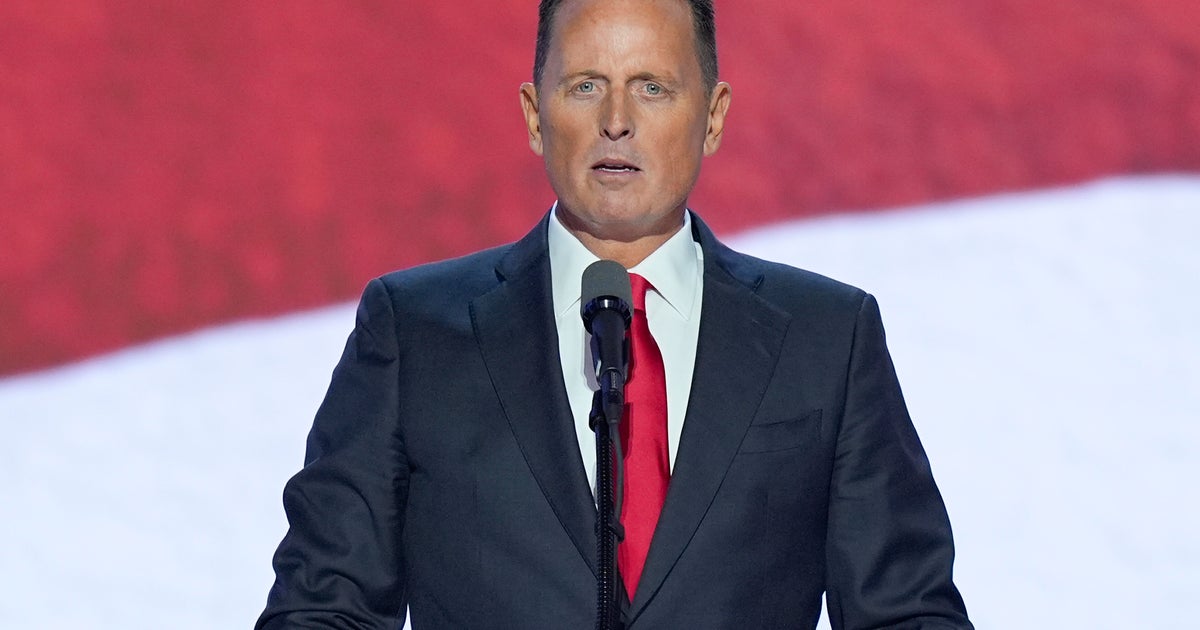
In a significant administrative change announced on Friday, President Trump revealed that Ric Grenell would be stepping down from his position as president of the John F. Kennedy Center for the Performing Arts, one of Washington’s most iconic cultural institutions. The announcement, made via the president’s Truth Social platform, comes at a pivotal moment for the center as it prepares for an extensive two-year renovation project set to begin this summer. Matt Floca, who has been serving as Vice President of Operations at the center, has been tapped to assume the dual role of Chief Operating Officer and Executive Director, pending approval from the Kennedy Center’s board of directors. This transition marks another chapter in the ongoing transformation of the prestigious performing arts venue under the Trump administration.
President Trump expressed his appreciation for Grenell’s contributions during what he characterized as a crucial transition period for the institution. In his announcement, the president acknowledged that Grenell had “done an excellent job in helping to coordinate various elements of the Center during the transition period,” and extended his thanks for the “outstanding work he has done.” The timing of Grenell’s departure appears to align with the completion of initial transitional work at the center, as the institution now moves forward with its ambitious renovation plans and operational restructuring.
Floca’s Promotion Reflects Internal Confidence
The selection of Matt Floca to lead the Kennedy Center represents a vote of confidence in someone who has already been deeply involved in the center’s recent operations and strategic planning. According to President Trump’s announcement, Floca has been instrumental in his capacity as Vice President of Operations, where he “has helped us achieve tremendous progress in bringing the Center to the highest level of Excellence!” This internal promotion suggests a desire for continuity and stability as the center embarks on its major renovation project, with leadership coming from someone already familiar with the institution’s current direction and challenges.
Floca’s appointment, however, is not yet final and remains contingent upon approval by the Kennedy Center’s board of directors. This procedural requirement is standard practice for such high-level appointments at major cultural institutions, ensuring that proper governance protocols are followed even as the administration makes its preferences known. The board’s decision will likely come in the near future, as the center needs to have firm leadership in place before the extensive renovation work begins this summer. The two-year closure represents a significant undertaking that will require careful planning, coordination, and oversight to ensure the project stays on schedule and within budget while maintaining the center’s programming and mission to the extent possible during the construction period.
The “Trump Kennedy Center” Rebrand and Transformation
One of the most notable aspects of President Trump’s involvement with the Kennedy Center has been his effort to leave a personal mark on the institution, most visibly by adding his name to the building’s exterior. The president now refers to the venue as “THE TRUMP KENNEDY CENTER” in official communications, a rebranding that has generated considerable discussion and debate. In his announcement about the leadership change, Mr. Trump emphasized his vision for the renovated facility, stating that upon completion, it “will be, at its completion, the finest facility of its kind anywhere in the World!” This ambitious promise reflects the administration’s apparent commitment to transforming the center into what they envision as a world-class cultural destination that surpasses all comparable institutions globally.
Beyond the name change, President Trump has been actively reshaping the Kennedy Center’s governance structure by filling the board of directors with political allies and supporters. This strategic placement of trusted individuals in key oversight positions allows the administration to exert greater influence over the center’s direction, programming decisions, and operational priorities. Such changes at major cultural institutions often spark conversations about the appropriate balance between political influence and artistic independence, particularly at venues that receive federal funding and are meant to serve the entire nation’s diverse population. The Kennedy Center, as a living memorial to President John F. Kennedy and a symbol of American cultural achievement, holds special significance that makes any changes to its leadership or character particularly noteworthy and sometimes controversial.
Grenell’s Brief but Significant Tenure
Ric Grenell’s time leading the Kennedy Center, while apparently brief, occurred during what the administration characterizes as a critical transition period. Grenell, a longtime Trump ally who has held various positions in different Trump administrations, brought his political experience and management skills to the cultural institution. His role appears to have focused primarily on coordinating the various elements necessary for the center’s transition into its new phase, including preparation for the renovation project and implementation of the administration’s vision for the institution’s future. His departure now, as these transitional elements have been put in place, suggests that his specific mission has been accomplished, allowing for new leadership to take the center through its next phase of development.
The announcement of Grenell’s departure was first reported by Axios before being officially confirmed by President Trump on Truth Social. The relatively smooth and amicable nature of the transition, as portrayed in the president’s statement, indicates that this change was planned and coordinated rather than resulting from any conflict or disagreement. Grenell’s willingness to serve in this capacity, even temporarily, demonstrates the administration’s approach of placing trusted figures in key positions during critical transition periods before installing longer-term leadership to carry out the sustained work ahead.
Looking Ahead: Renovation and Reimagined Future
As the Kennedy Center prepares for its upcoming two-year closure for renovations, the institution stands at a crossroads between its historic legacy and its reimagined future under the Trump administration’s influence. The extensive renovation project represents a significant investment in the physical infrastructure and capabilities of the performing arts venue, with promises of elevating it to unprecedented levels of excellence and sophistication. The scope and details of these renovations have not been fully disclosed in this announcement, but the two-year timeline suggests comprehensive work that will likely touch many aspects of the facility, from performance spaces to public areas to technical infrastructure.
The transition from Grenell to Floca in the leadership position comes at an opportune moment, allowing new permanent leadership to be in place as the renovation work begins and progresses. Floca’s familiarity with the center’s operations and his involvement in the recent progress being made there position him well to oversee this major undertaking. The success of both the renovation project and the broader transformation of the Kennedy Center will ultimately be judged by multiple stakeholders, including the performing arts community, Washington residents, tourists, and the American public at large. As this story continues to develop, additional details about both the leadership transition and the renovation plans will likely emerge, providing a clearer picture of what the future holds for this iconic American cultural institution.