
Pentagon Briefing Updates: U.S. Operations Against Iran and Deadly Tanker Crash
Military Leaders Address Ongoing Conflict and Tragic Loss
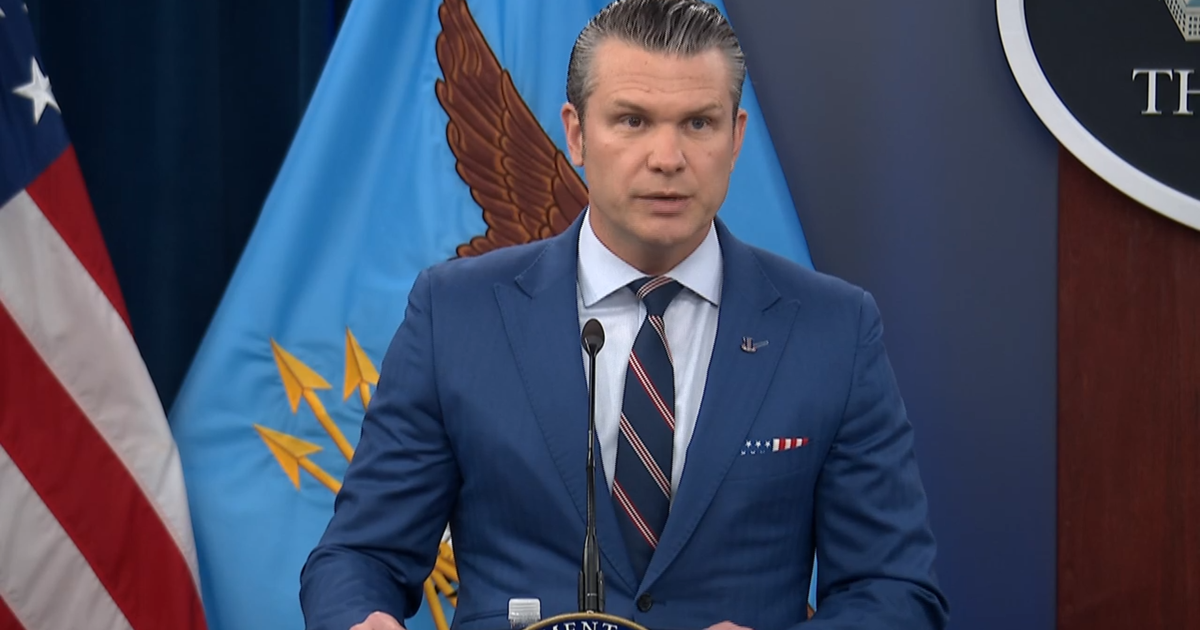
On Friday, Defense Secretary Pete Hegseth and Joint Chiefs Chairman Dan Caine held a press briefing at the Pentagon to update the American public on the evolving military situation with Iran. The briefing came at a somber moment, just one day after a U.S. military refueling tanker went down in western Iraq, claiming the lives of at least four American service members. As rescue teams continued their desperate search for two additional crew members, the nation was reminded of the very real human cost of military operations. Hegseth addressed the tragedy with measured words, acknowledging that “bad things happen” in the course of military service, while honoring the fallen as heroes who gave their lives in service to their country. Chairman Caine provided additional context, explaining that the aircraft crashed over friendly territory during an active combat mission, and importantly, that the incident was not the result of hostile enemy fire or friendly fire—offering some reassurance that the crash appeared to be accidental rather than combat-related. The ongoing rescue operation represents a glimmer of hope that the two missing crew members might still be found alive.
Significant Degradation of Iranian Military Capabilities
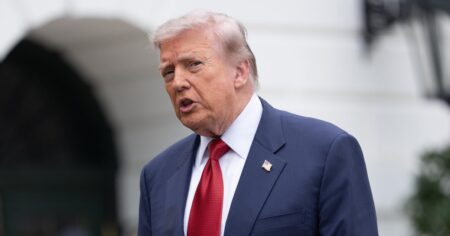
Secretary Hegseth opened the briefing with what he characterized as significant progress in degrading Iran’s military capabilities. According to his assessment, Iran’s missile capacity has been reduced by an astonishing 90% since the conflict began. He went further, declaring that all of Iran’s defense manufacturing companies have been “functionally defeated” and will ultimately be destroyed. This represents a dramatic claim about the effectiveness of U.S. military operations inside Iranian territory. U.S. Central Command has reportedly struck approximately 6,000 targets inside Iran since hostilities began on February 28, representing an intensive and sustained bombing campaign aimed at crippling Iran’s ability to wage war. President Trump himself has stated that the “situation with Iran is moving along very rapidly,” suggesting confidence that the military operation is progressing according to plan. However, despite these optimistic assessments from U.S. leadership, the conflict continues to exact a toll both in human lives and on the global economy, with Iranian counterattacks still occurring and the strategic Strait of Hormuz remaining a contested and dangerous waterway.
Economic Fallout and the Battle for the Strait of Hormuz
The ongoing conflict has sent shockwaves through global markets, with oil prices surging past the psychologically significant $100 per barrel mark while stock markets have been sliding. These economic indicators suggest that despite official optimism about a swift conclusion to hostilities, markets remain deeply concerned about the stability of global oil supplies. The Strait of Hormuz, through which roughly one-fifth of the world’s oil supply normally passes, has become a particular flashpoint. Ship traffic through this critical waterway has largely ground to a halt as Iran attempts to leverage its geographic position to maximum effect. Treasury Secretary Scott Bessent has floated the possibility of U.S. Navy escorts for oil tankers attempting to navigate the Strait, though implementation of such a plan would be complex and potentially dangerous. Chairman Caine addressed Iranian efforts to mine the Strait, stating that U.S. forces are “continuing to destroy the Iranian navy” and specifically targeting Iran’s mining capabilities and their ability to threaten commercial vessels. When pressed on whether Iran is actively placing new mines in the Strait, Hegseth stated that there is no clear evidence of ongoing mining operations, though CENTCOM continues to attack Iranian efforts in the region. “That’s not a strait we’re going to allow to remain contested,” Hegseth declared forcefully, signaling American determination to reopen this vital commercial artery.
Nuclear Concerns and Unanswered Questions
One of the most pressing concerns surrounding any military conflict with Iran involves the country’s nuclear program and its stockpile of enriched uranium. When reporters pressed Hegseth on whether U.S. military forces would need to physically secure Iran’s enriched uranium in order to successfully conclude military operations, the Defense Secretary offered only vague assurances. “We have options, for sure,” he said, declining to elaborate on what those options might entail or under what circumstances they might be exercised. This careful non-answer likely reflects the sensitive nature of nuclear-related military planning and the desire not to telegraph U.S. intentions to Iranian leadership. The question itself highlights one of the fundamental challenges of military operations against Iran: unlike conventional military targets that can be destroyed through airstrikes, nuclear materials present unique problems. They can be hidden, dispersed, or moved, and their complete destruction or removal often requires boots on the ground—a significant escalation that could transform the nature of the conflict entirely. For now, the administration appears content to maintain strategic ambiguity about its nuclear-related plans while emphasizing that preventing Iran from acquiring nuclear weapons remains a priority.
Investigating Civilian Casualties and War Conduct
Perhaps the most uncomfortable moment of the briefing came when Secretary Hegseth was questioned about the military investigation into a bombing that struck an elementary school in Iran. Reports suggest that a preliminary investigation has indicated that U.S. forces were responsible for the strike—a finding that, if confirmed, would represent a tragic incident of civilian casualties. Hegseth confirmed that Central Command has appointed an investigating officer from outside CENTCOM to conduct a command investigation into the incident, a procedural step designed to ensure objectivity and thoroughness. However, he declined to provide a timeline for when the investigation might be completed or when its findings might be made public. Such investigations are standard procedure when civilian casualties are alleged, and they serve the important purpose of establishing facts, determining whether proper targeting procedures were followed, and identifying any systemic problems that might need to be addressed. The fact that this particular strike hit a school—a protected civilian facility under the laws of war—makes the investigation especially important and its findings potentially consequential for how the U.S. military is perceived both internationally and at home.
Iran’s Leadership in Question and the Path Forward
Adding another layer of complexity to the situation is the status of Iran’s new Supreme Leader, Mojtaba Khamenei. Iranian officials have confirmed that he was injured in an attack but remains “alive and well,” though he has not been seen publicly since the war began—a circumstance that has fueled speculation about his actual condition and the stability of Iranian leadership. Iranian state media released a statement attributed to Khamenei on Thursday in which he vowed to continue leveraging Iran’s control over the Strait of Hormuz and promised ongoing attacks against targets in Gulf Arab nations. Whether this statement genuinely reflects the current thinking of Iranian leadership or is propaganda designed to project strength in a moment of vulnerability remains unclear. The administration has said remarkably little about Iran’s leadership situation, perhaps calculating that speculation about the Supreme Leader’s condition serves U.S. interests by creating uncertainty within Iranian decision-making circles. As the conflict continues, with ongoing military operations, economic disruption, and tragic loss of life, the path forward remains uncertain. Despite official optimism and claims of devastating Iranian losses, the war shows no signs of immediate conclusion, and the American people—along with global markets and international partners—are left to wonder how and when this conflict will end, and at what ultimate cost.