
The Strait of Hormuz Crisis: What It Will Take to Get Oil Flowing Again
A Critical Waterway Gone Silent
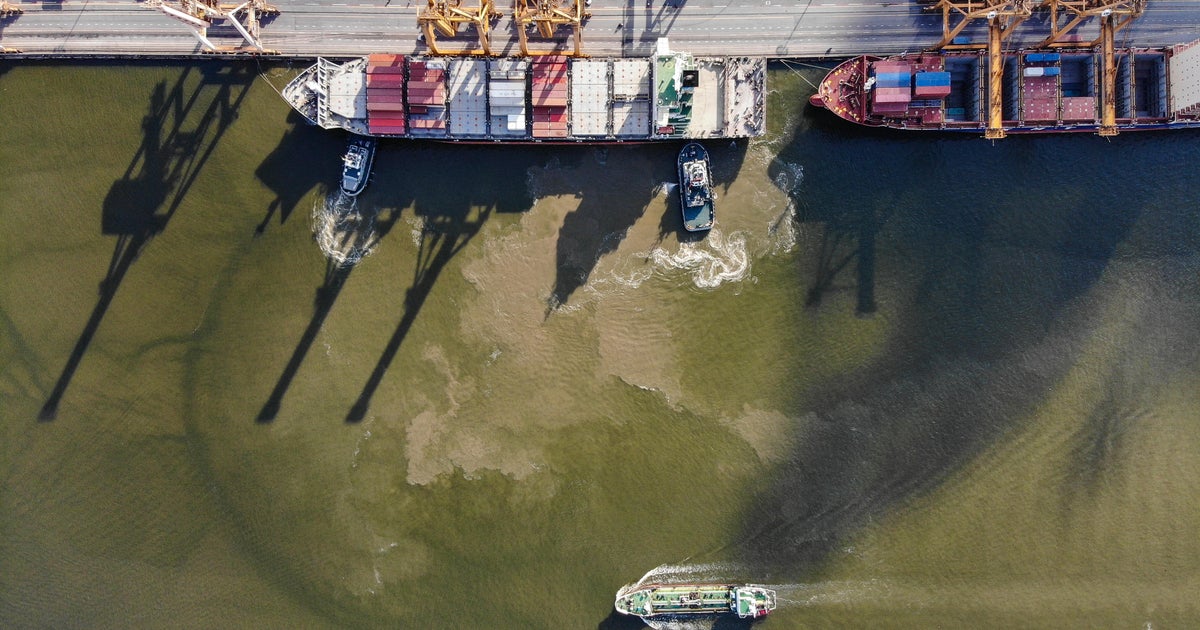
The Strait of Hormuz, one of the world’s most vital shipping lanes, has essentially ground to a halt following military strikes between the United States, Israel, and Iran on February 28. What was once a bustling maritime highway carrying roughly 100 vessels daily has been reduced to a trickle—just one or two ships attempting the perilous crossing by Wednesday, according to ship tracking data from MarineTraffic. This narrow waterway, which serves as the gateway for approximately 20% of the world’s daily oil shipments, now sits eerily quiet as tankers cluster nervously on either side, afraid to make the transit. The implications are staggering: energy prices are skyrocketing, global supply chains are fracturing, and the world economy teeters on the edge of what industry experts are calling a “nightmare scenario.” Mike Sommers, CEO of the American Petroleum Institute, put it bluntly in an interview with CBS News, emphasizing that there simply is no way to replace the 20 million barrels of oil that typically flow through this strategic chokepoint each day. The situation has transformed from a regional conflict into a global economic crisis almost overnight, leaving shipping companies, insurers, and world leaders scrambling for solutions.
The Dangers Keeping Ships Away
The reason for this unprecedented maritime standstill is brutally simple: the Strait of Hormuz has become a war zone that’s far too dangerous for commercial vessels to risk. On Wednesday alone, suspected Iranian drones struck at least three ships in and around the channel, sending a chilling message to the global shipping industry. These attacks aren’t just theoretical threats—they’re real, happening in real-time, and targeting the very vessels that keep the world economy running. Jerry Kalogiratos, CEO of Capital Clean Energy Carriers, a Greek-based shipping company, explained the calculus facing his industry: “In the end, it’s all about perception, because our first priority is the protection of human life and our seafarers.” This isn’t just corporate speak—it reflects the genuine fear that ship owners have about sending their crews into what has become an active combat zone. Adding to the crisis, many insurance companies have simply pulled out of the region entirely, withdrawing coverage for tankers that might attempt the passage. Without insurance, the financial risk becomes untenable for shipping companies, even if they were willing to brave the military threats. The combination of physical danger and financial exposure has created a perfect storm that has effectively closed one of the world’s most important trade routes.
What Needs to Happen Before Ships Return
Industry experts and shipping executives are unanimous about what it will take to reopen the Strait of Hormuz to commercial traffic: clear, sustained signals that the waterway is genuinely safe. Kalogiratos said he’s watching for definitive signs before sending his ships back through the strait. “Let’s say there is a ceasefire overnight, and Iran says it’s safe. Then our ships would be the first to make the transit,” he explained. However, it’s not quite that simple. Most shipping companies aren’t looking for just words—they want proof. They’re closely monitoring the handful of brave (or desperate) vessels that are still attempting to cross, watching to see if these ships make it through without incident. Vikas Dwivedi, an energy strategist at Macquarie Group, emphasized that the industry needs to see a pattern emerge. “You’d need more than just one or two for a couple of days—you would want to see it building,” he told CBS News. “You want corroboration that there are no tricks being played and that ships leaving the Strait of Hormuz are arriving at destination ports.” Interestingly, the U.S. government’s offer to provide insurance coverage and Navy escorts for ships traversing the Persian Gulf hasn’t provided as much reassurance as one might expect. While these measures show America’s commitment to reopening the waterway, shipping executives like Kalogiratos remain cautious, reiterating that their primary concern is the safety of their crew members, not just financial protection or military presence.
The Need for Real De-escalation
Michael Ryan, head of freight at market intelligence provider Sparta Commodities, has outlined what might be called the “insurance threshold” for reopening the strait. According to Ryan, shipping companies need to witness a sustained and credible reduction in military threats from Iran before they’ll feel comfortable resuming normal operations. This de-escalation is critical not just for the psychological comfort of ship owners and crews, but because it would encourage insurance companies to return to the region and bring their premiums back down to manageable levels. Right now, insurance costs—where coverage is even available—are astronomical, reflecting the extreme risk involved in transiting the waterway. Unfortunately, achieving this kind of security environment seems unlikely in the near term. In a statement released Thursday through state-run media, newly appointed Iran Supreme Leader Ayatollah Mojtaba Khamenei declared that the strait must remain closed, effectively doubling down on Iran’s position. This kind of rhetoric makes meaningful de-escalation extremely difficult and suggests that the crisis could be prolonged. “Until that threat is credibly lifted, either through a ceasefire or a negotiated arrangement, commercial operators of the vessels won’t return in meaningful numbers,” Ryan told CBS News. His assessment reflects the sobering reality facing the global economy: this isn’t a problem that will resolve itself quickly, and there’s no easy workaround when one of the world’s critical energy arteries is blocked.
How the World Is Watching and Waiting
In our technologically advanced age, the maritime industry and analysts worldwide have sophisticated tools to monitor exactly what’s happening in the Strait of Hormuz. Ships are equipped with Automated Identification System (AIS) trackers that broadcast their locations, allowing real-time monitoring of maritime traffic patterns. Under normal circumstances, these tracking systems paint a picture of bustling activity, with dozens of vessels moving through the strait at any given moment. However, the current situation reveals an eerie stillness. According to Nikos Pothitakis, a spokesperson for Kpler, which owns MarineTraffic, some ships have taken the extraordinary step of deactivating their AIS systems in an attempt to pass through the strait undetected—a dangerous gamble that speaks to both the desperation of some operators and the extreme risk involved. MarineTraffic’s monitoring shows that the usual flow of maritime traffic has essentially disappeared. Michael Ryan described what analysts are seeing on their screens: “Normally, you would see all of these little dots of triangles moving fluidly around the strait. Right now, there are loads of tankers clustered together on either side of the strait, where they are sitting anchored.” This visual representation—ships gathered nervously on both ends of the waterway, afraid to cross—has become the defining image of the crisis. It’s a modern maritime traffic jam with global implications, as each anchored tanker represents millions of barrels of oil not reaching their destinations, contributing to rising energy costs worldwide.
The Broader Implications and Path Forward
The closure of the Strait of Hormuz represents more than just a regional conflict or a temporary disruption to oil markets—it’s a stark reminder of how vulnerable global trade infrastructure remains to geopolitical tensions. The 20 million barrels of oil per day that normally flow through this narrow waterway cannot simply be rerouted or replaced. Alternative shipping routes would add weeks to delivery times and massive costs, assuming such alternatives could even handle the volume, which they cannot. This bottleneck effect is already being felt in soaring energy prices, which ripple through every sector of the economy, from transportation to manufacturing to agriculture. The situation facing the world is essentially a standoff with no clear resolution in sight. Ship owners and operators are caught between economic pressures to move their cargo and the very real risks to their crews and vessels. Governments are balancing diplomatic efforts with military posturing. Insurance companies are trying to calculate risks that are essentially incalculable in such volatile circumstances. And all the while, the global economy is absorbing the shock of suddenly losing access to one of its most critical trade routes. The path forward likely requires a combination of diplomatic breakthroughs, sustained periods of calm that rebuild confidence, and possibly new security arrangements that all parties can accept. Until then, the world waits, watches the tracking screens, and hopes that the ships anchored on either side of the Strait of Hormuz will soon feel safe enough to make the crossing once again.