
Government Confronts Fuel Retailers Over Rising Petrol Prices Amid Middle East Tensions
A Tense Meeting Nearly Derailed
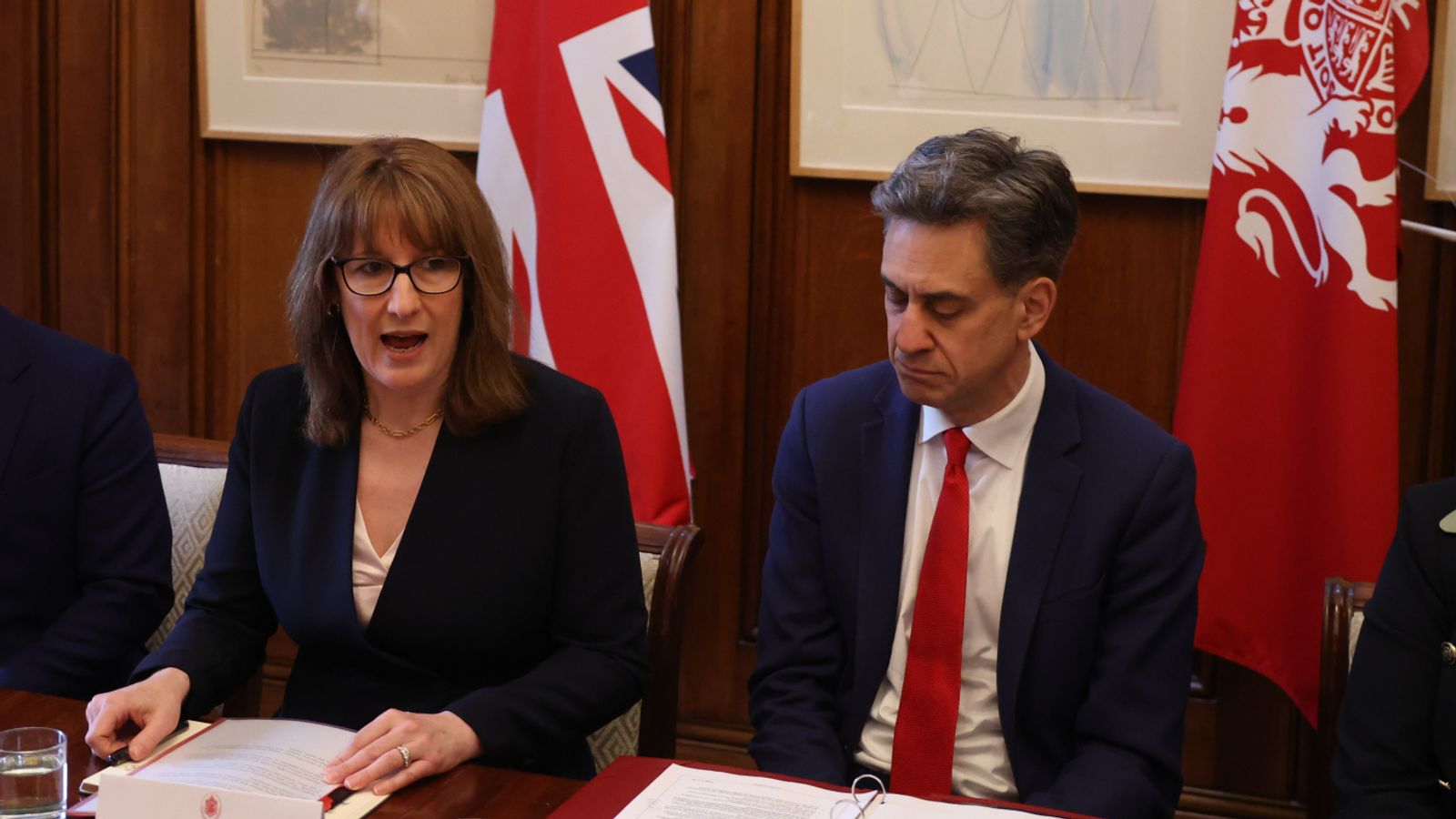
In an atmosphere thick with tension and mutual frustration, Chancellor Rachel Reeves called together some of Britain’s most powerful fuel industry executives for what turned out to be a critical conversation about the skyrocketing cost of petrol. The Friday meeting at 11 Downing Street brought together representatives from household names like BP, Shell, Asda, and ExxonMobil, but it almost didn’t happen at all. Just hours before the scheduled discussion, the Petrol Retailers Association (PRA) threatened to boycott the entire affair, citing what they called “inflammatory language” from government officials. According to the PRA, the harsh rhetoric coming from Westminster had sparked a disturbing increase in abuse and hostility directed at ordinary forecourt workers—the men and women who serve customers at petrol stations across the country. These employees found themselves on the receiving end of public anger that should have been directed elsewhere. The meeting only proceeded after the Treasury provided assurances that discussions would be conducted largely behind closed doors, away from the glare of media scrutiny. Even then, PRA executive Gordon Balmer made it clear that the government had offered no apology for its choice of words, setting the stage for what promised to be a frank and potentially uncomfortable conversation about one of the most sensitive issues affecting British households today.
The Reality Facing British Motorists
The numbers tell a sobering story that every driver in Britain can feel in their wallet. Since the escalation of conflict in the Middle East, the average price for a litre of unleaded petrol has jumped by 8 pence, pushing costs to their highest level in eighteen months. According to data from the RAC, the motoring organization that tracks fuel prices across the country, the average price has climbed from 132.83p per litre to a painful 140.60p. For families already struggling with the cost of living, this represents yet another blow to household budgets. A typical family car with a 50-litre tank now costs approximately £70 to fill up, compared to around £66 just weeks earlier—an extra £4 that many households can ill afford. The timing couldn’t be worse, as many families are still recovering from previous energy crises and inflation spikes that have characterized the past few years. The impact extends far beyond just the inconvenience of paying more at the pump; higher fuel costs ripple through the entire economy, affecting the price of goods transportation, the cost of commuting to work, and even the viability of family trips and holidays. For those living in rural areas with limited public transport options, where a car is not a luxury but a necessity, these price increases represent a genuine hardship that forces difficult choices between filling the tank and other essential expenses.
Strong Words and Shared Obligations
Chancellor Reeves didn’t mince words when addressing the assembled industry leaders, emphasizing what she described as a “shared obligation” to keep prices reasonable for ordinary motorists. Her message was clear: while the government understands the complexities of global oil markets and the legitimate business concerns of fuel retailers, there remains a fundamental responsibility to the British public. Energy Secretary Ed Miliband reinforced this message with an equally firm warning that the government would not tolerate what he termed “unfair practices” within the industry. The implication was unmistakable—officials in Westminster are watching closely, and any behavior that appears to prioritize excessive profits over consumer welfare will face serious consequences. Ms. Reeves expressed her appreciation for the cooperation shown by attending executives but made it clear this was to be an “open and frank conversation,” not merely a courtesy call or photo opportunity. She articulated concerns about high prices that many consumers share, emphasizing the collective responsibility that both government and industry bear in this situation. This approach represents a delicate balancing act for the chancellor, who must navigate between holding industry accountable without alienating the very companies needed to ensure fuel supply and distribution across the country. The language of “shared obligation” is particularly interesting, suggesting a partnership model rather than pure confrontation, while still making clear that the government expects action, not just promises.
The Fuel Duty Dilemma
Despite the urgent tone of the meeting and the clear concern about rising prices, Chancellor Reeves has not wavered on a controversial decision that has drawn criticism from motorist organizations: the gradual phase-out of a 5p cut to fuel duty. This reduction, originally introduced as a temporary measure to help drivers during a previous crisis, is set to end with a 1p increase scheduled for September this year. This decision puts the government in a politically awkward position—calling for lower prices from retailers while simultaneously planning to add to the tax burden on fuel. The chancellor must balance multiple competing priorities: the legitimate need for government revenue, commitments to fiscal responsibility, environmental goals that discourage excessive driving, and the immediate financial pressure on households. Critics argue that now is precisely the wrong time to increase fuel duty, when prices are already at eighteen-month highs due to circumstances beyond anyone’s control. The AA, one of Britain’s most respected motoring organizations, has specifically called on Ms. Reeves to delay the planned increase, warning that motorists “will be stung” by inevitable rising costs driven by global price increases. The organization argues that adding a tax increase on top of market-driven price rises would represent a double blow that many families simply cannot absorb. The government’s position appears to be that the long-term fiscal situation requires proceeding with the duty increase, but this stance risks undermining the message being delivered to fuel retailers about keeping prices down.
Regulatory Threats and Competition Concerns
The chancellor has already taken steps to involve Britain’s competition watchdog in monitoring the fuel retail sector, asking the authority to “crack down” on what she has characterized as “rip-off” fuel prices. This move signals that the government is prepared to use regulatory power to guard against what it sees as profiteering during a crisis—when companies might exploit public anxiety and limited options to charge more than market conditions justify. The government has also promised intervention if companies engage in practices deemed “unfair” to consumers, particularly regarding home heating oil, which falls outside the protections of Ofgem’s energy price cap and therefore leaves consumers more vulnerable to price volatility. This regulatory approach reflects a broader philosophy about the role of government in markets—not to control prices directly, which can lead to shortages and other distortions, but to ensure competitive markets function properly and that no company abuses a dominant position or exploits emergency situations. The threat of regulatory action serves as a powerful deterrent, particularly for large corporations conscious of their public reputation and wary of government sanctions that could affect their broader business operations. However, this approach also requires careful calibration; too aggressive an intervention might discourage investment in fuel infrastructure or drive smaller retailers out of business, ultimately reducing competition and choice for consumers.
Moving Forward Through Uncertain Times
Following the meeting, there were cautiously positive signals from both sides, suggesting that despite the initial tensions, productive dialogue had occurred. Gordon Balmer of the PRA characterized the discussion as having gone “very well,” noting that participants “engaged in constructive discussion” and emphasizing collaborative work with the government. An official summary echoed this tone, stating that attendees “agreed to continue working in the shared interest of motorists on this really important issue.” These diplomatic statements suggest that while significant disagreements remain, all parties recognize the need for ongoing communication rather than confrontation. However, the fundamental challenge remains: global oil prices are largely beyond the control of British retailers or government officials, driven by geopolitical events in the Middle East and worldwide supply and demand dynamics. The situation in Iran and broader regional instability create genuine uncertainty in oil markets that inevitably translates to higher prices at the pump. No amount of stern warnings or collaborative meetings can entirely shield British motorists from these global forces. What government can potentially influence is the margin between wholesale costs and retail prices—ensuring that retailers don’t exploit the situation to expand their profits unreasonably while consumers suffer. As the situation continues to evolve, British motorists find themselves caught between geopolitical forces beyond anyone’s control and domestic policy decisions about taxation and regulation. The coming months will reveal whether this government dialogue with fuel retailers produces meaningful results for consumers, or whether the meeting represents merely political theater—an attempt to appear responsive to public concern without substantive power to change outcomes. For millions of British families making difficult budgeting decisions, the stakes couldn’t be higher, and patience with political promises is wearing thin.